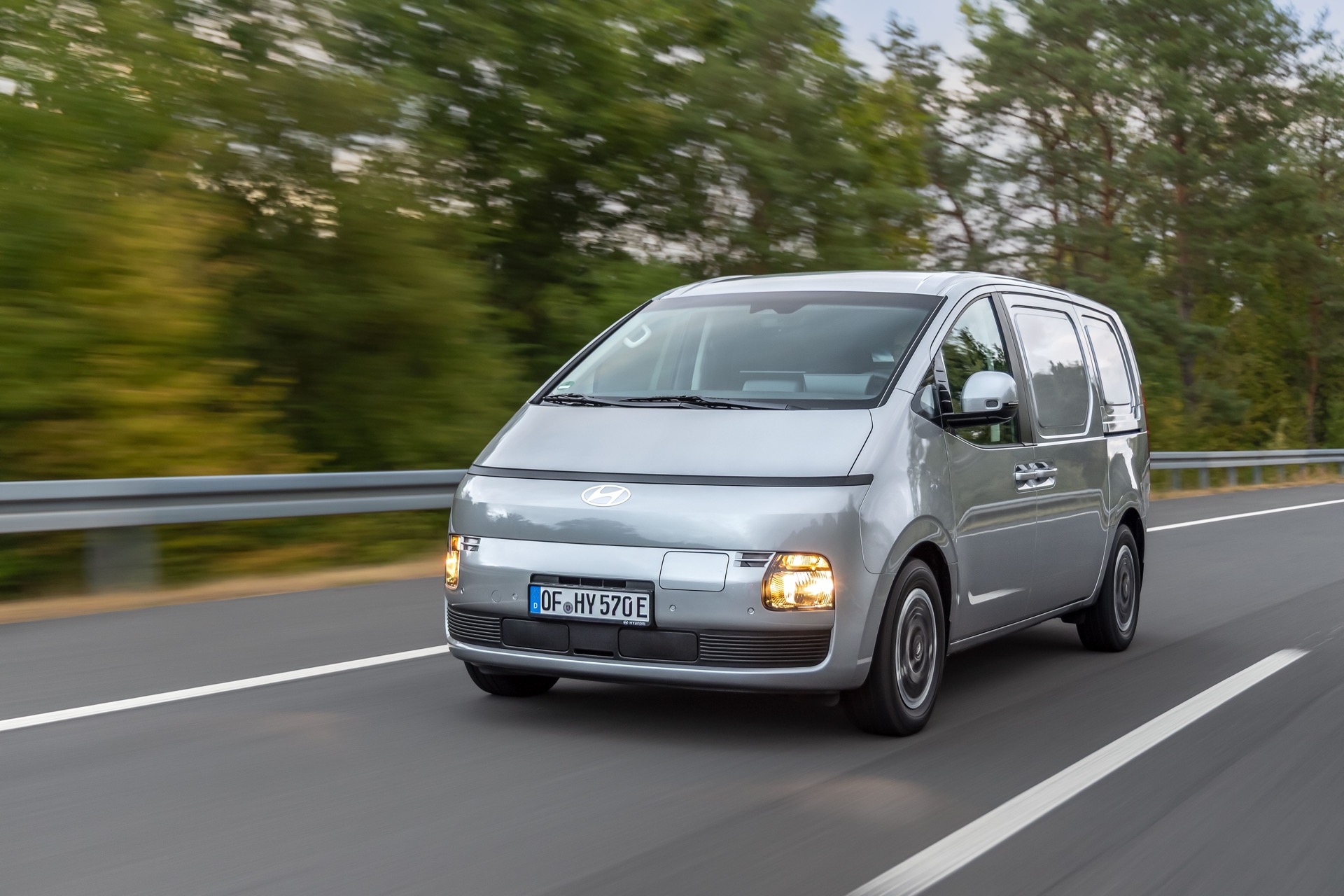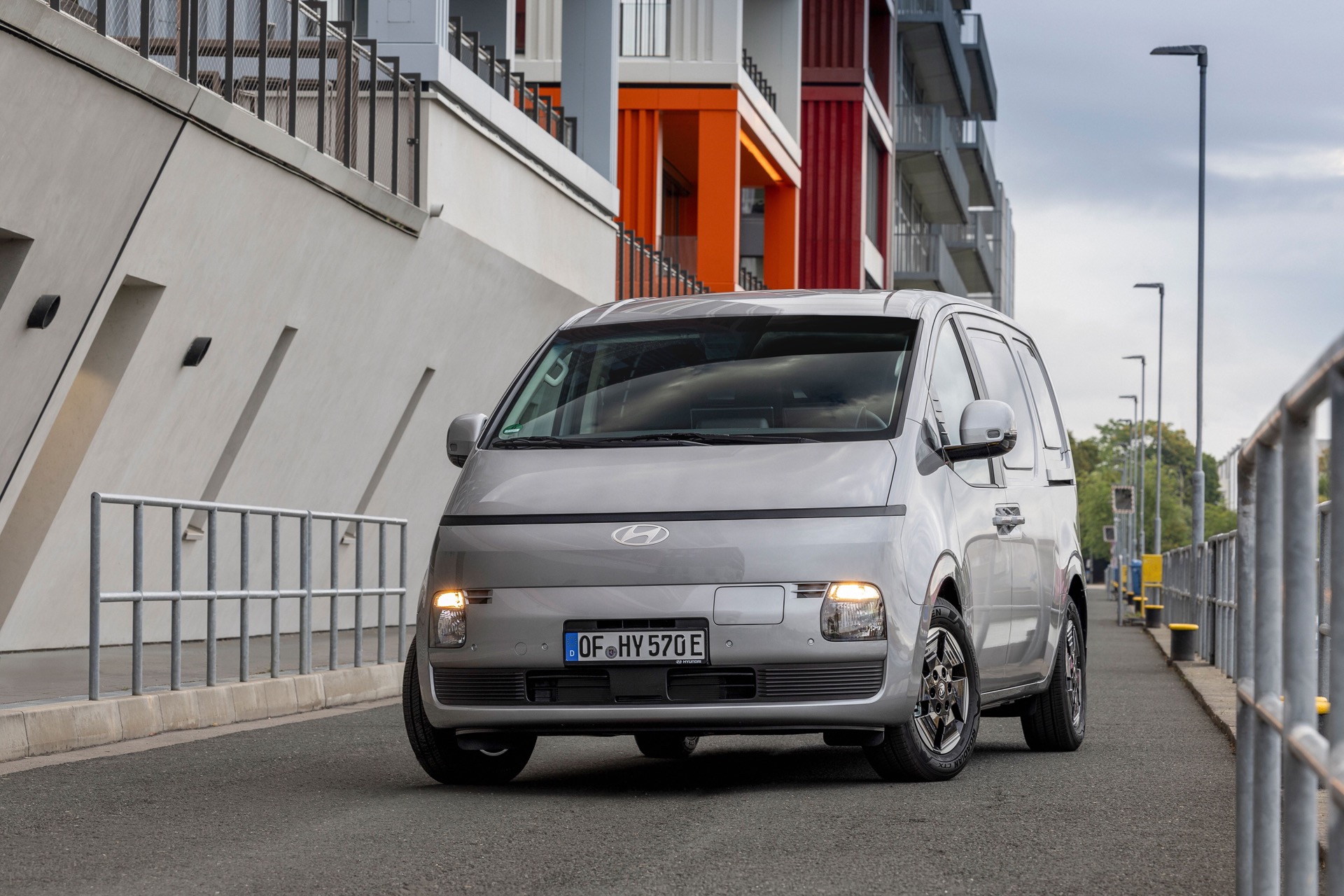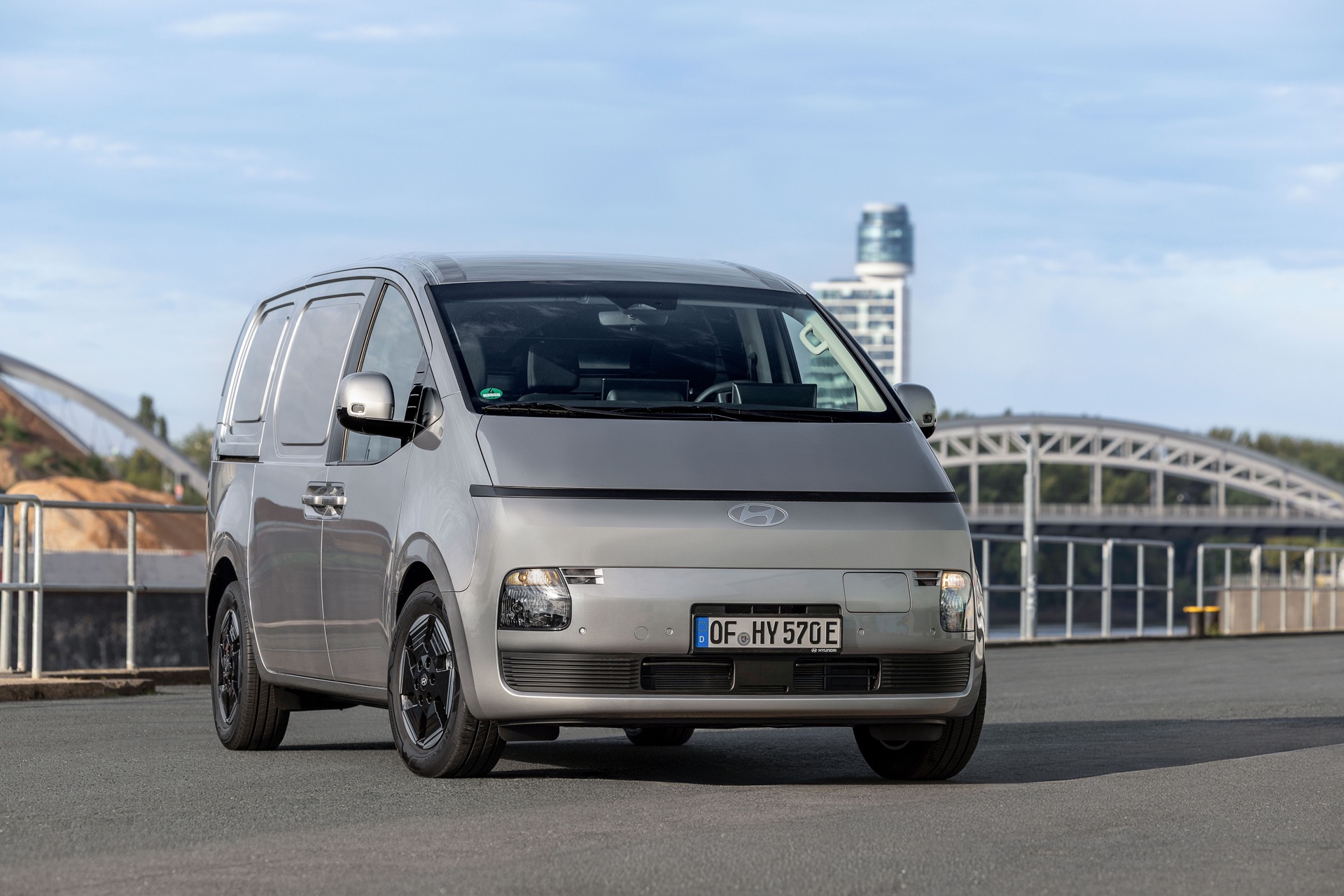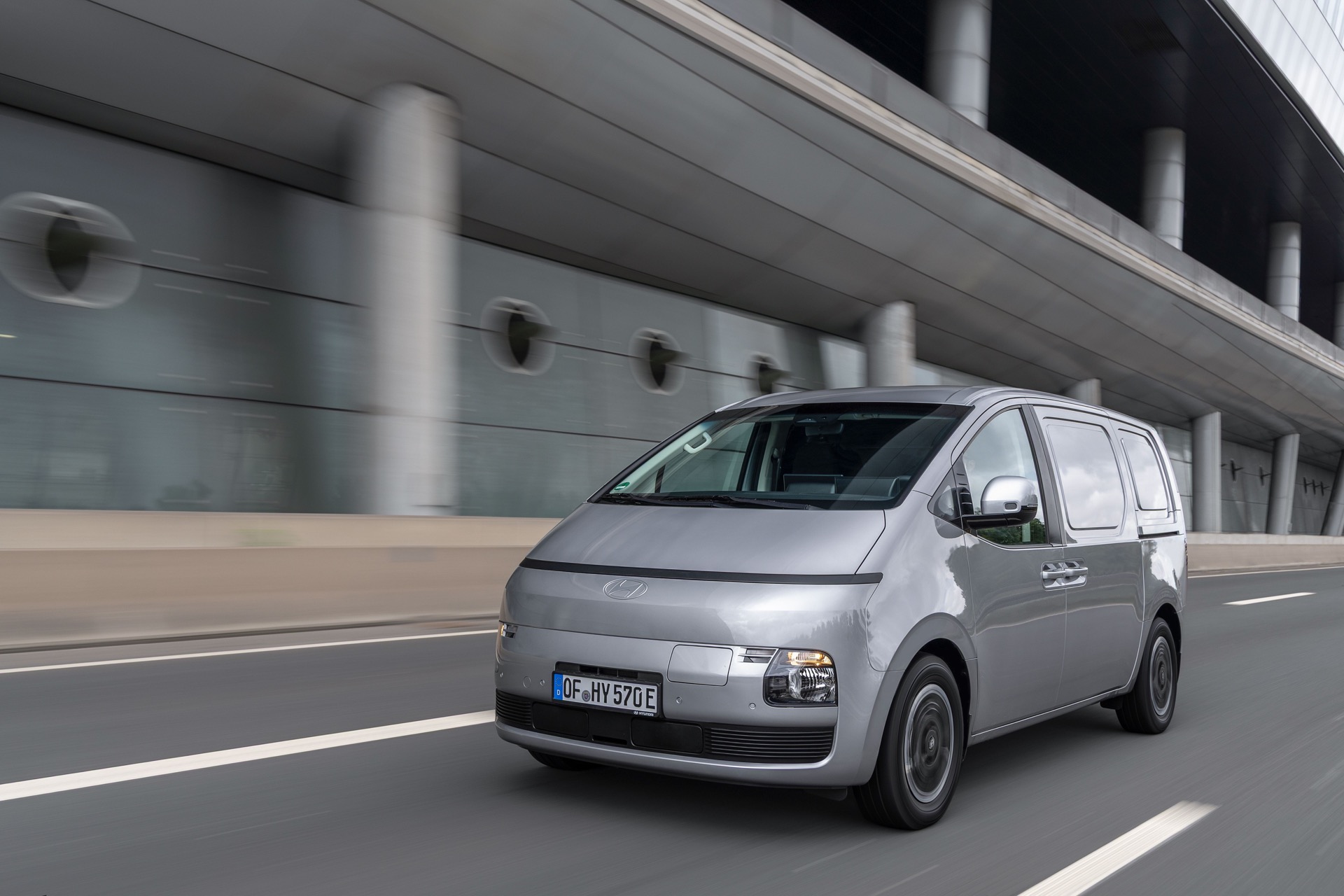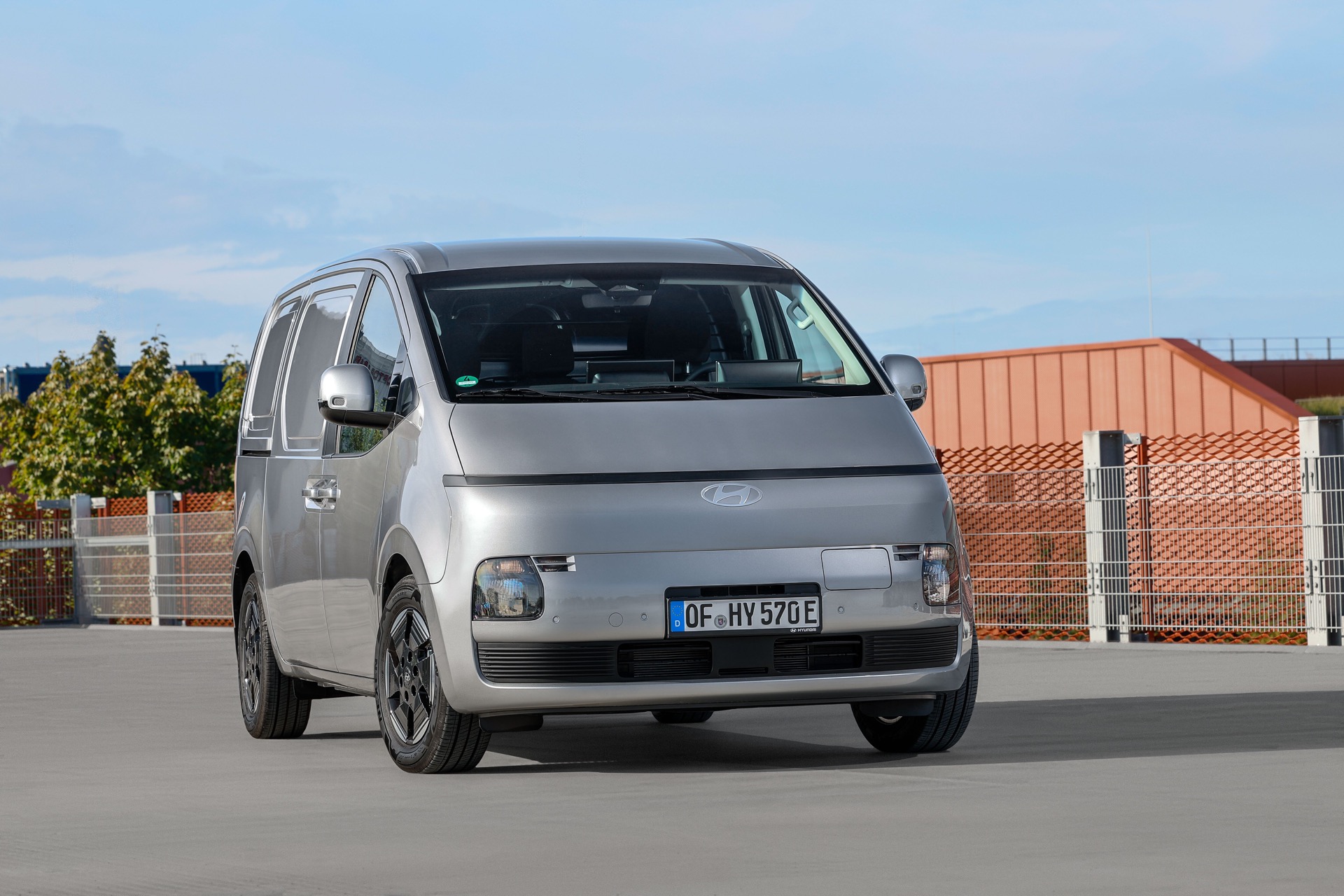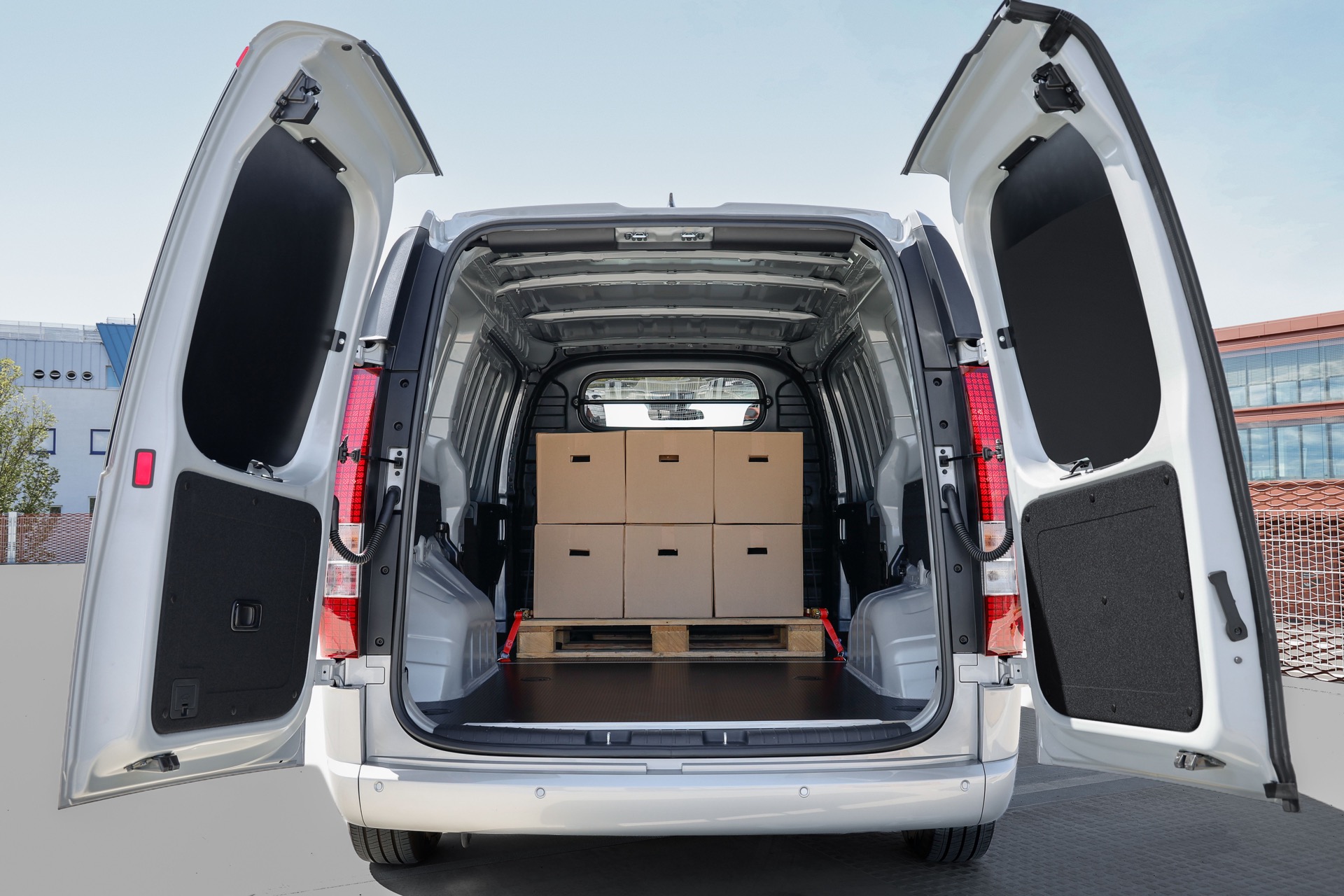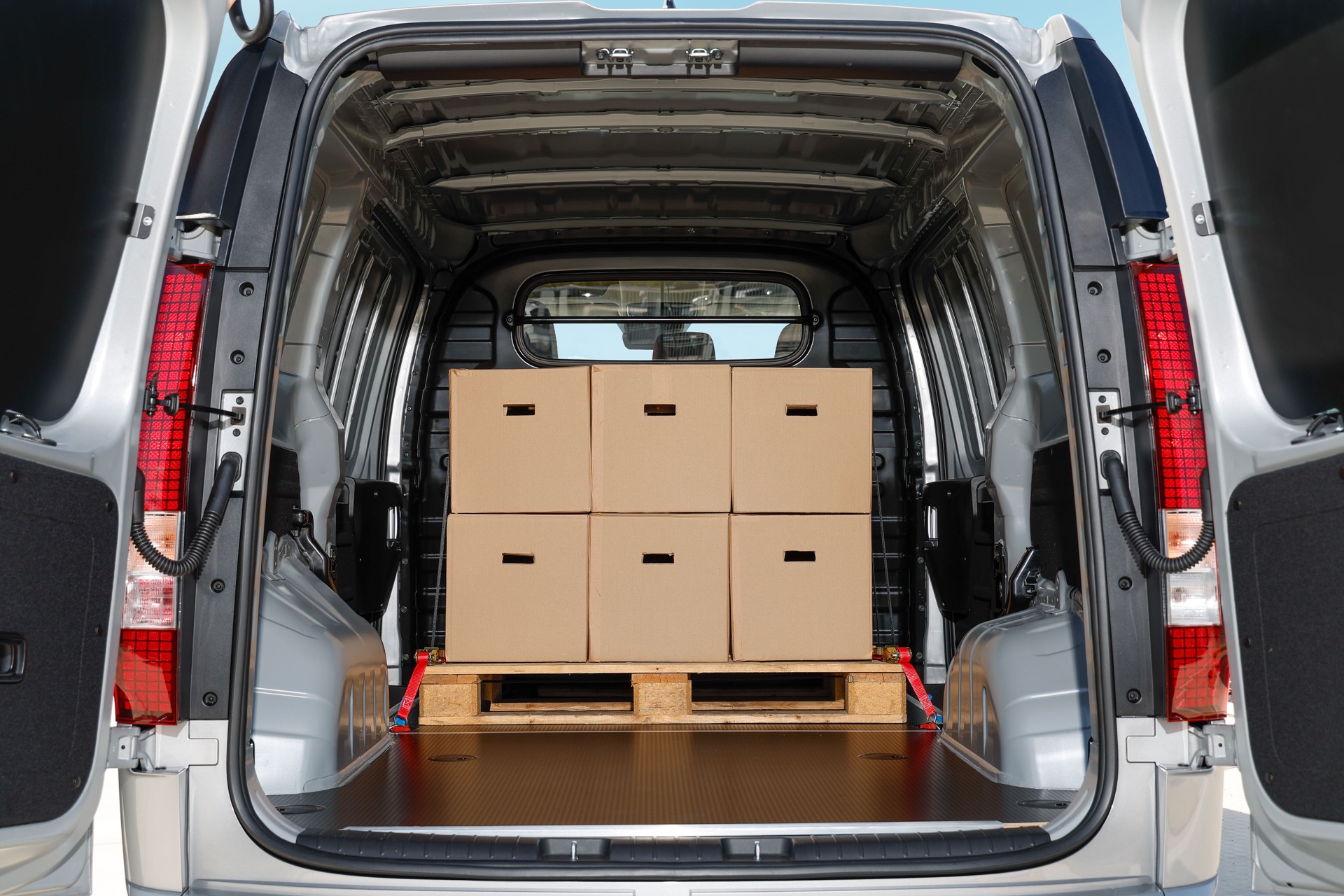
Three Euro pallets in the cargo compartment, a payload capacity of up to 1.040 kg, and the ability to tow a 2.000 kg trailer. These are the figures with which the Hyundai Staria Van aims to carve out a niche among mid-size electric vans. It also adds two important selling points for professional use: a claimed range of up to 450 kilometers (WLTP) and the ability to recharge the battery from 10% to 80% in about 20 minutes.
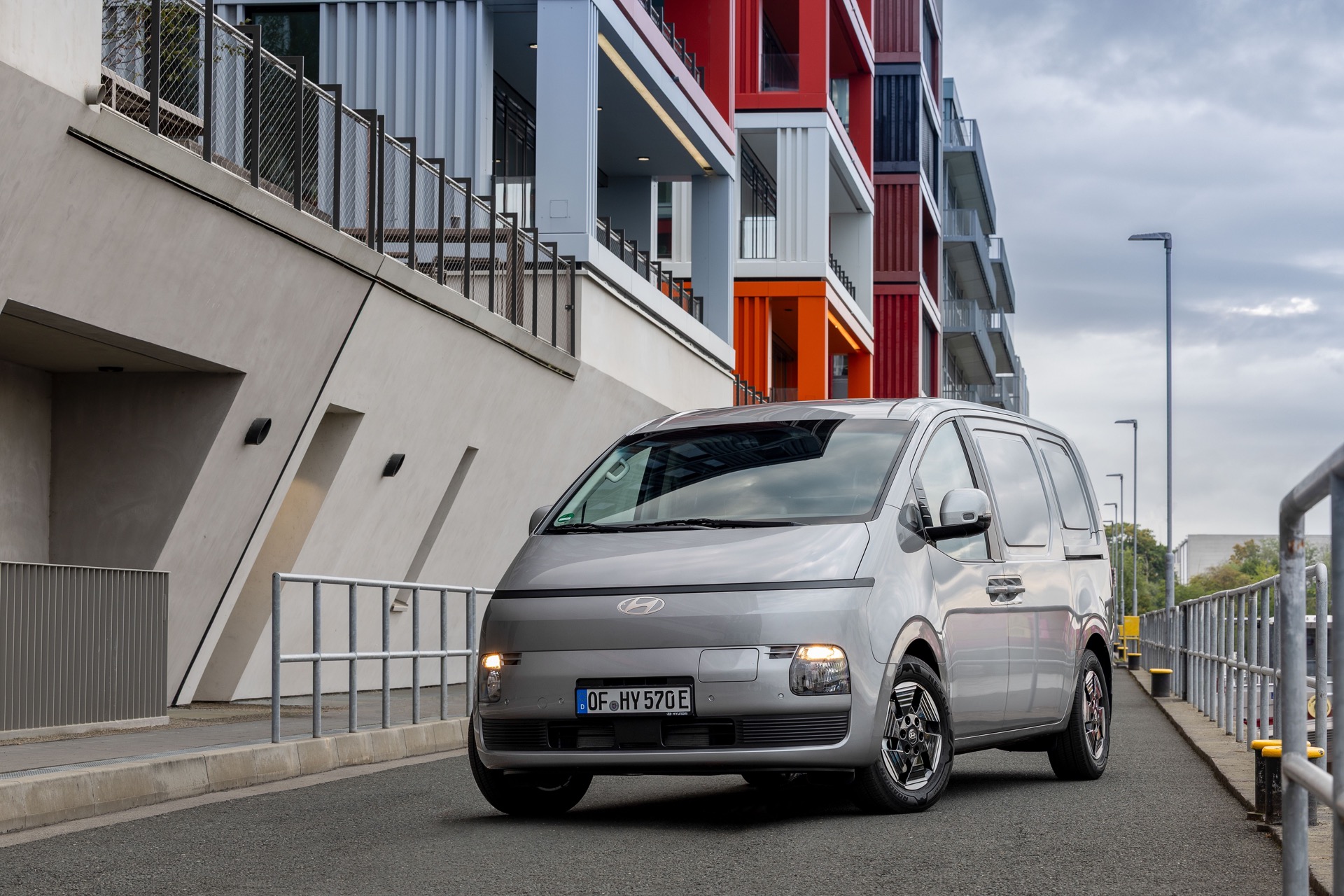
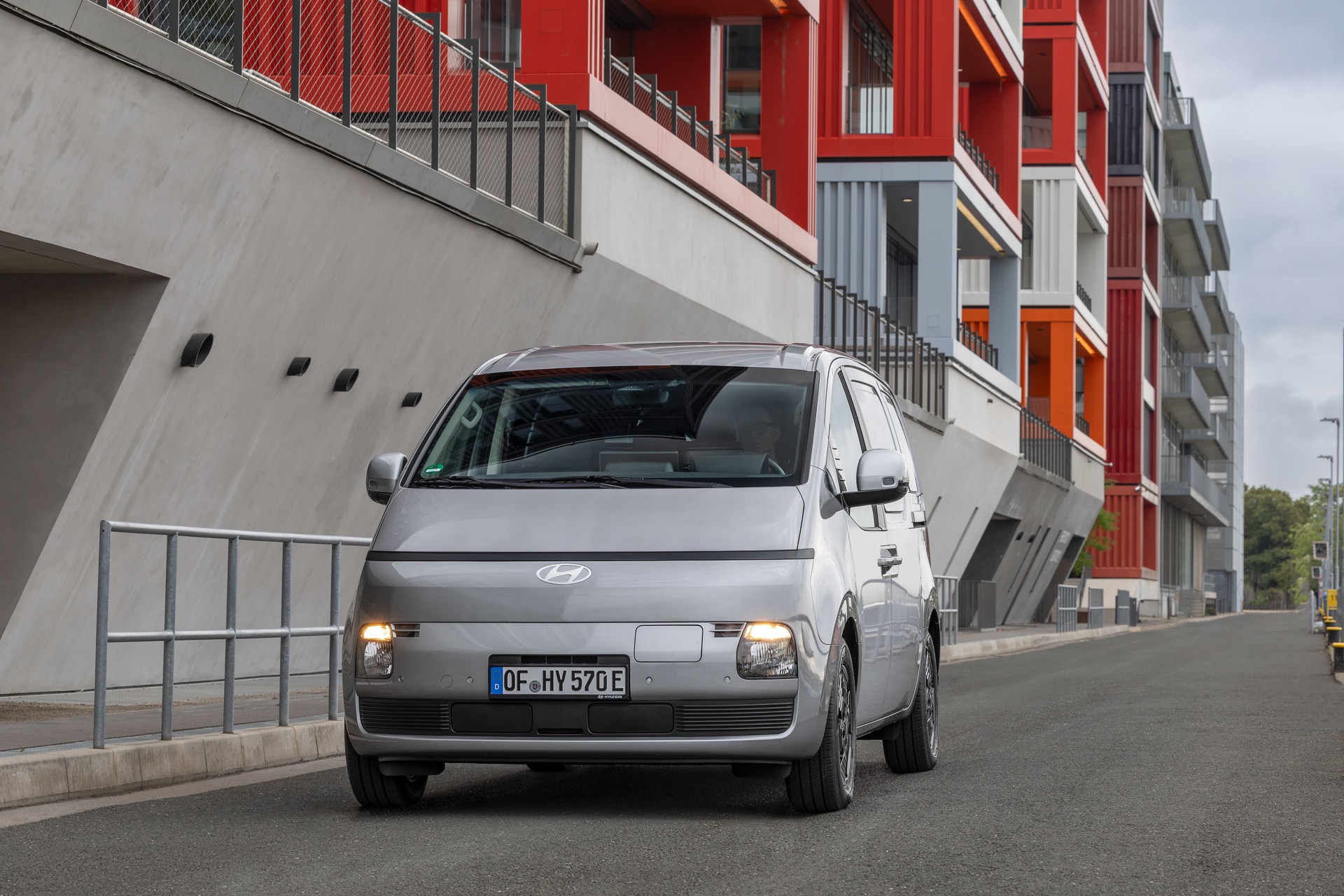
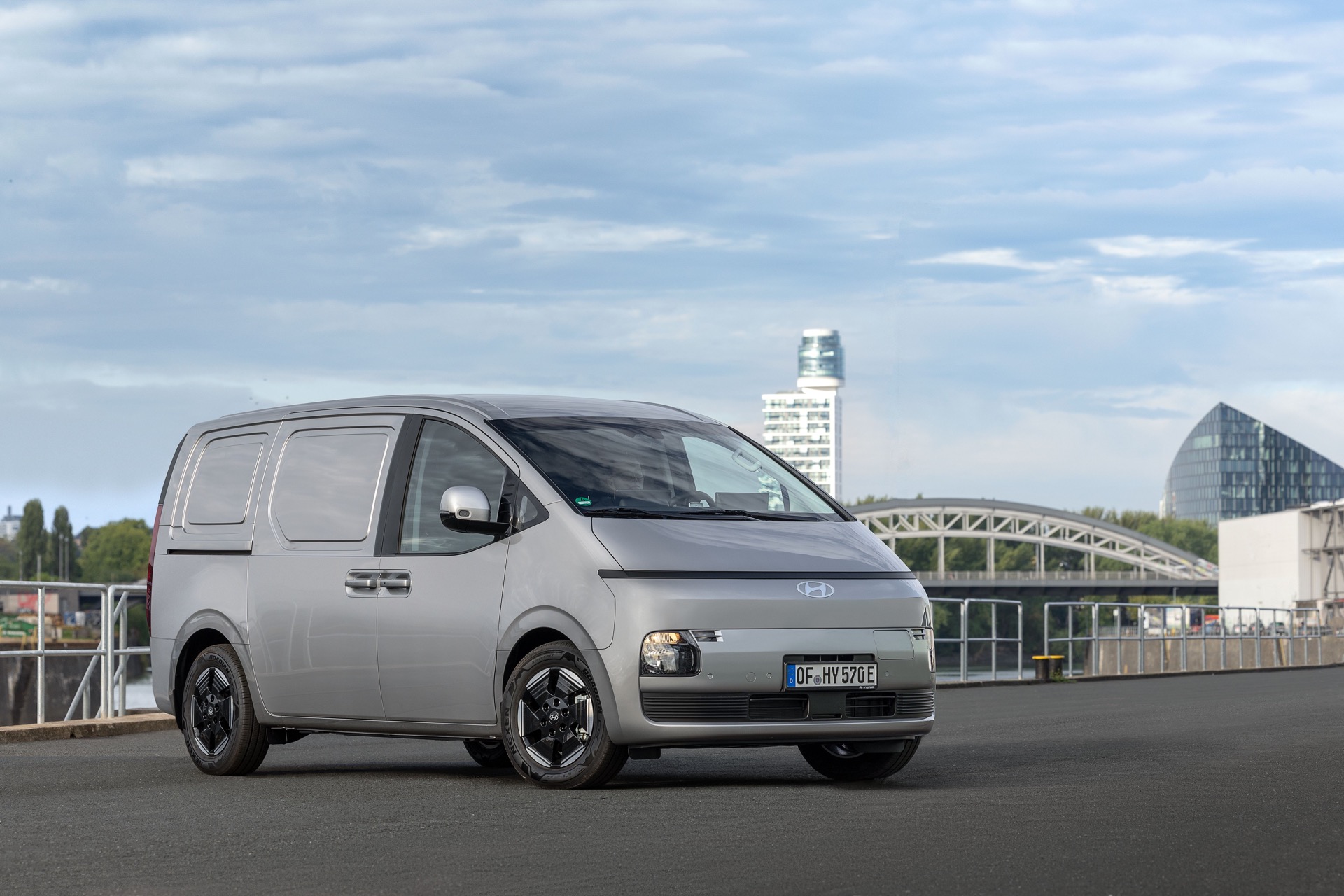
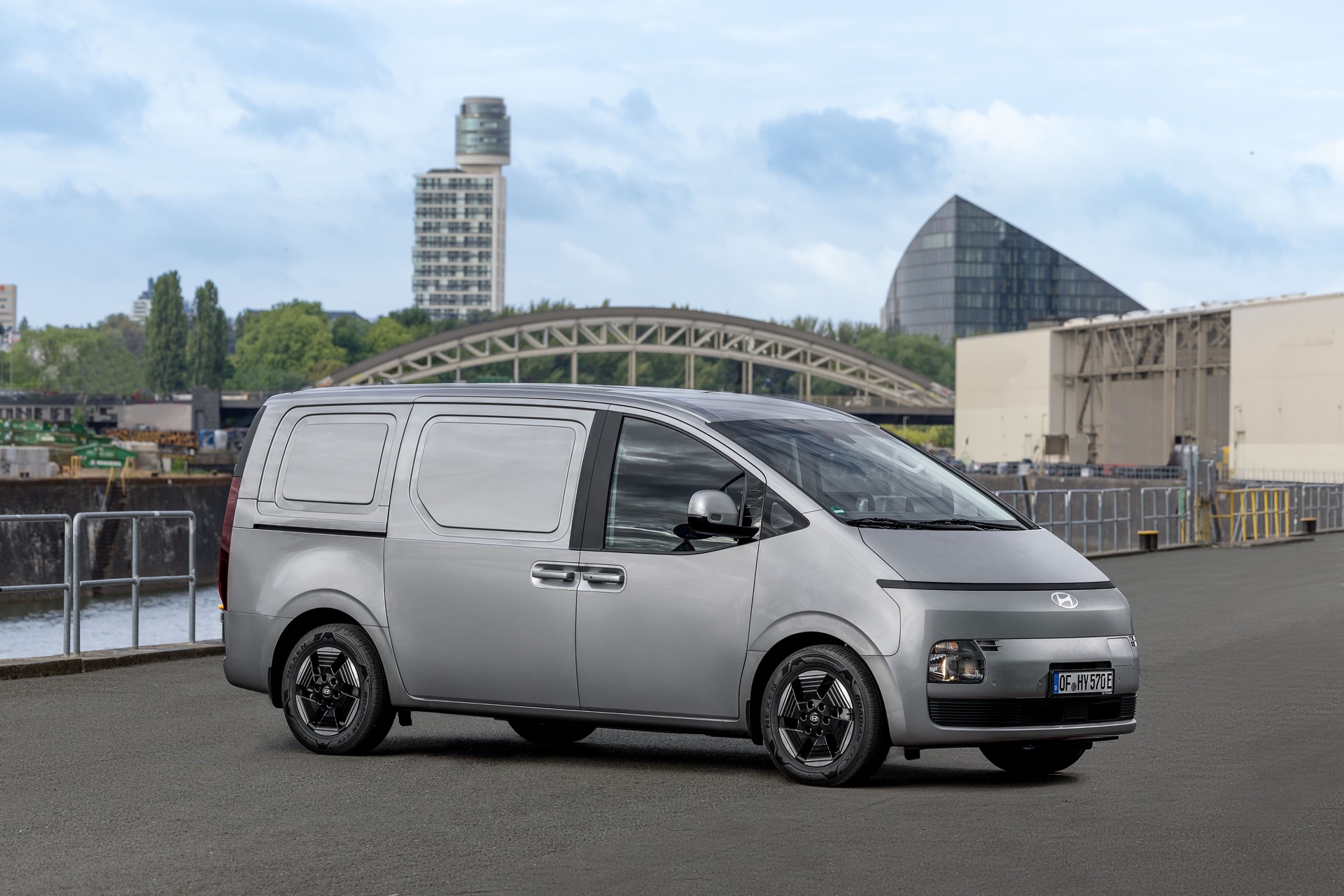
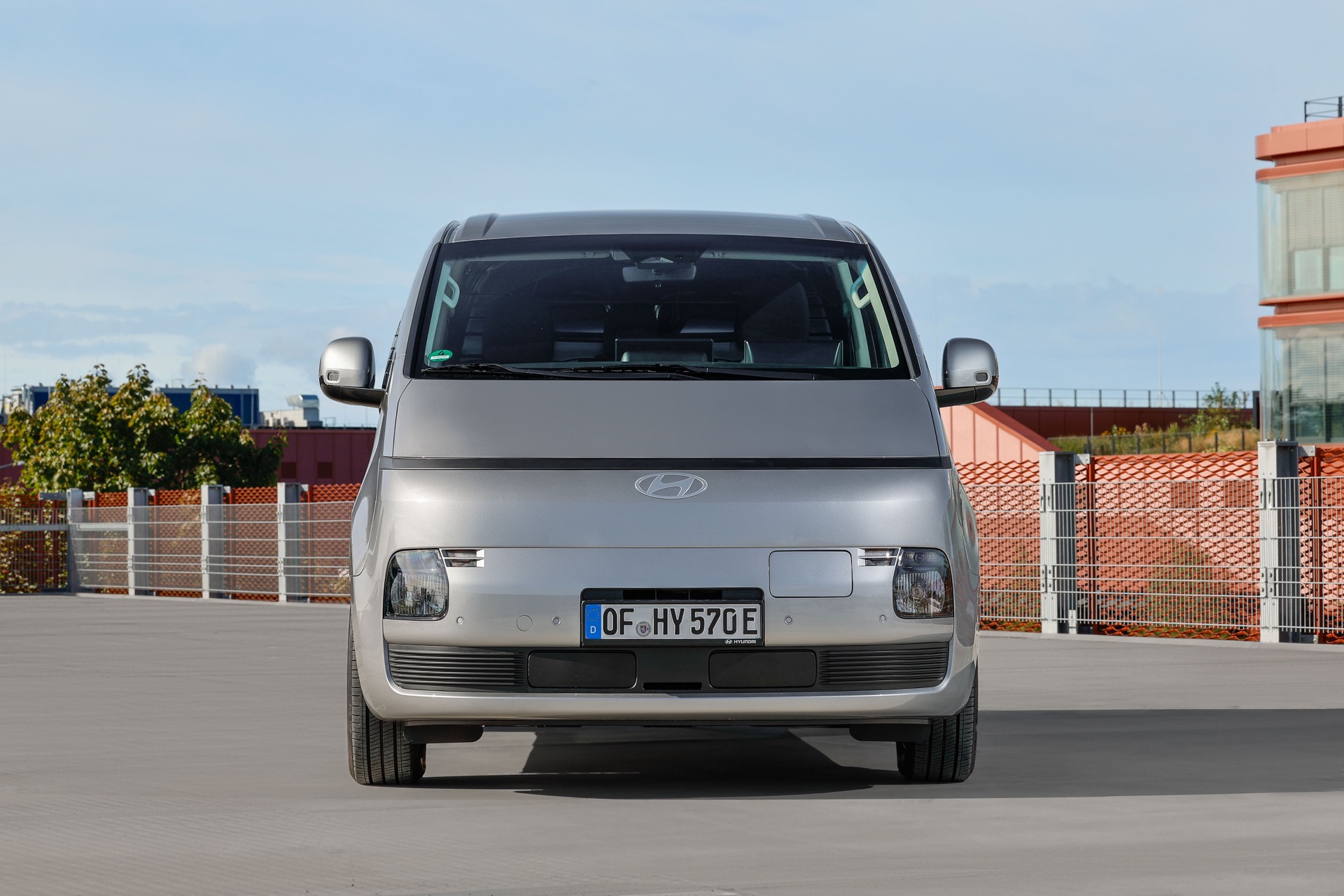
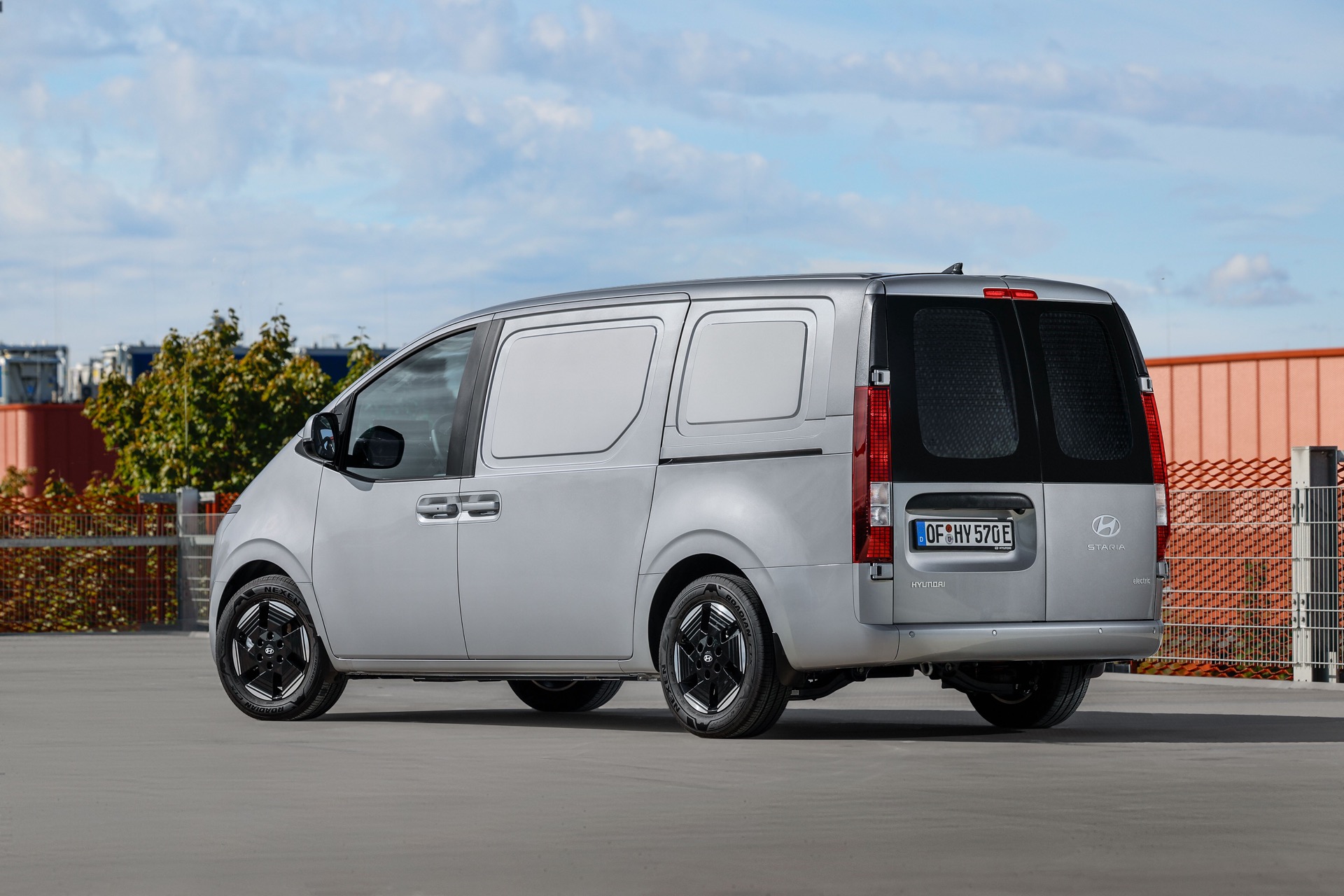
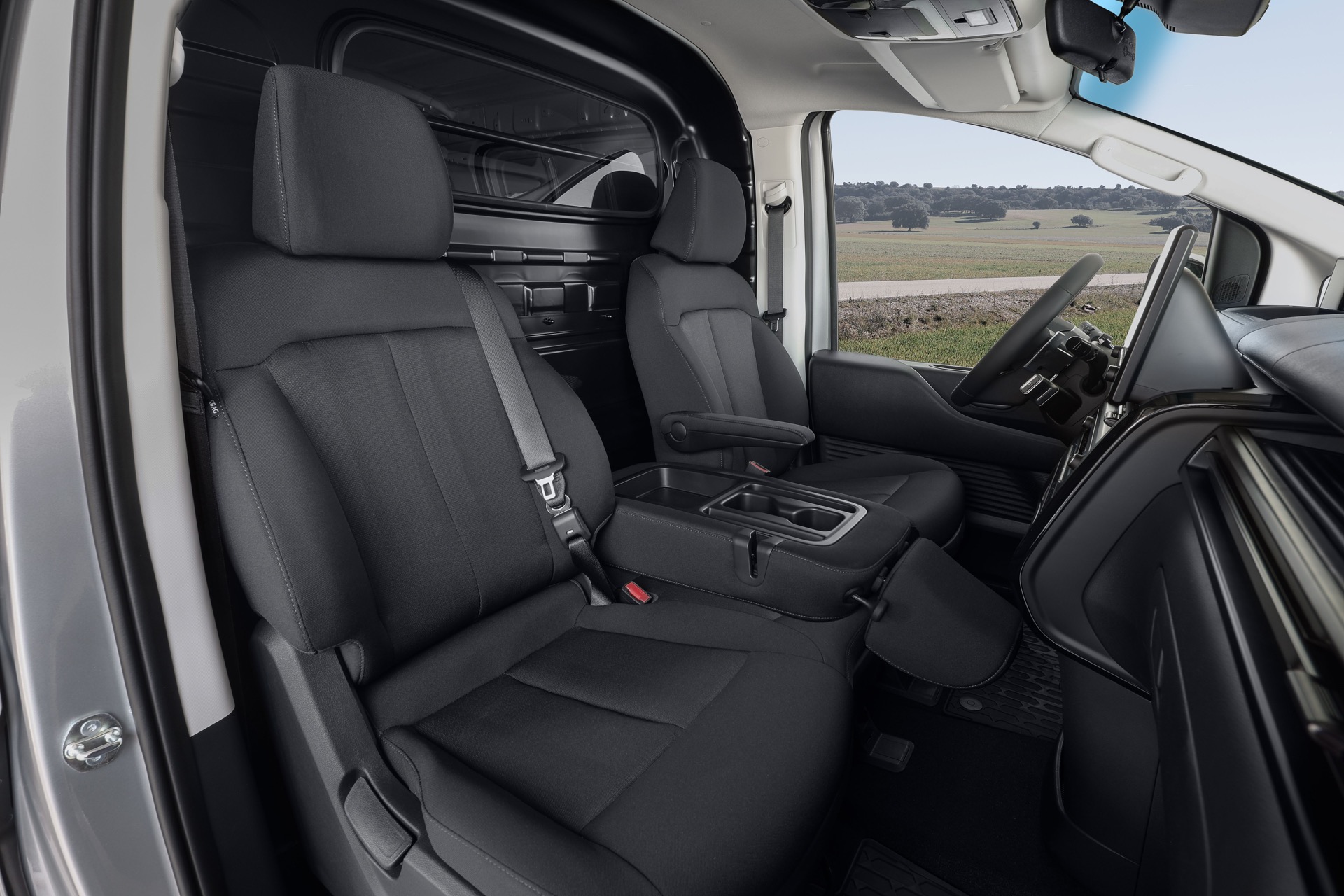
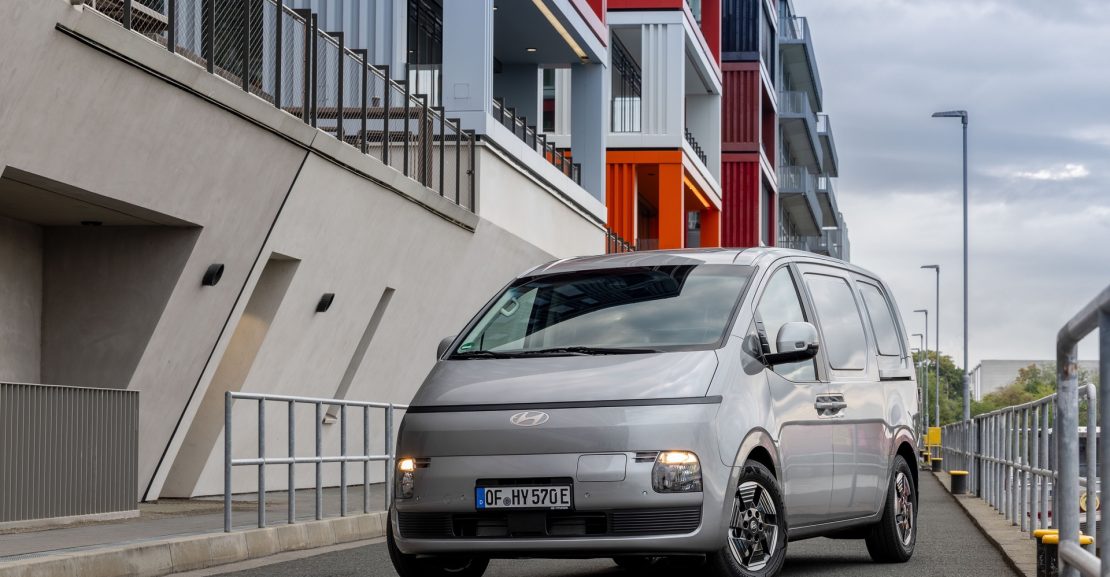
The cargo version adapts the Staria passenger van's design to a solution for businesses, self-employed individuals, and fleets. It retains its distinctive silhouette and shares powertrain components with the seven- or nine-seater model, but adapts the interior for transporting goods, with three front seats and a compartment separate from the cab. Its design makes it suitable for deliveries, technical assistance, maintenance, or transporting materials between different locations.
Three Euro pallets and more than a ton of payload
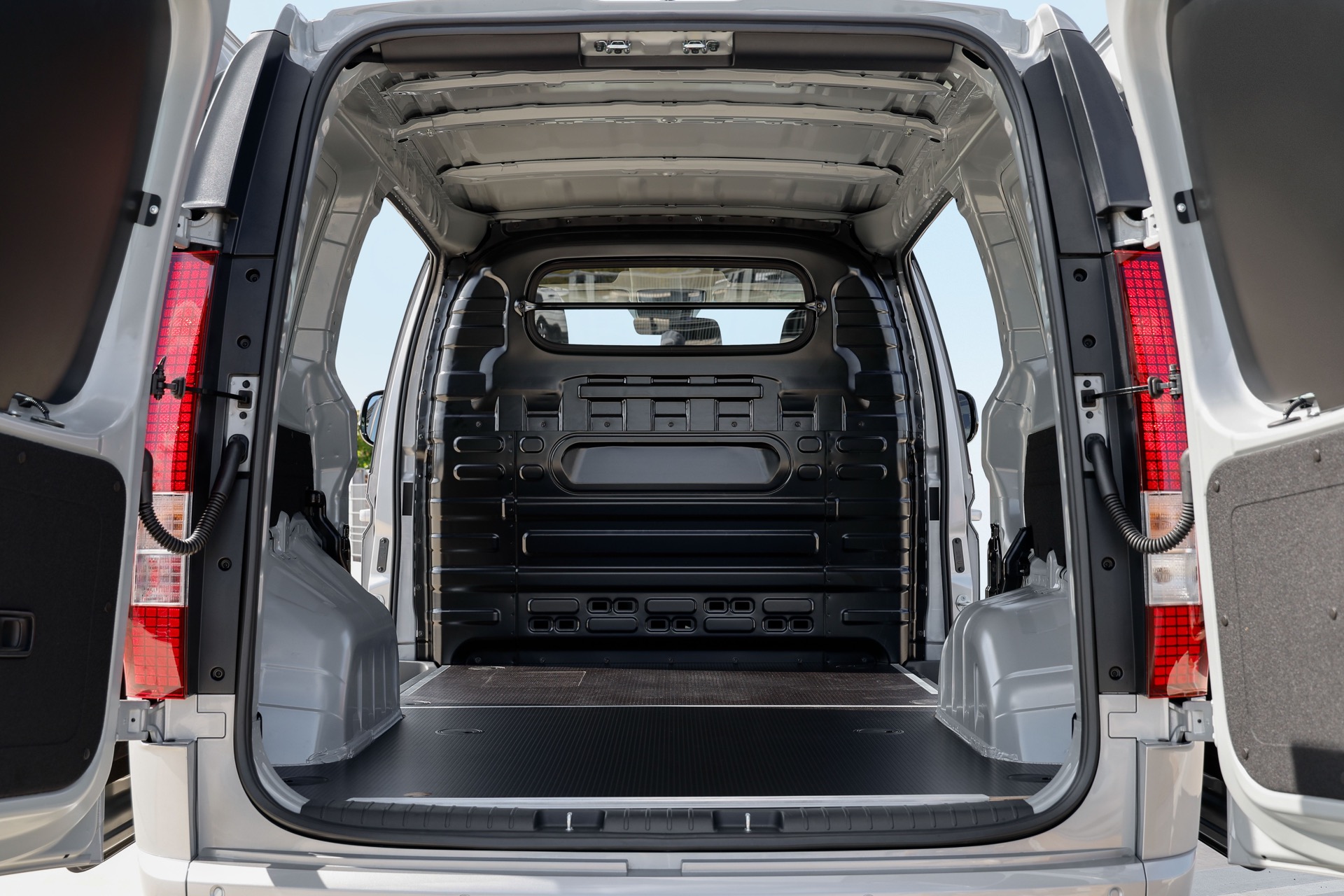
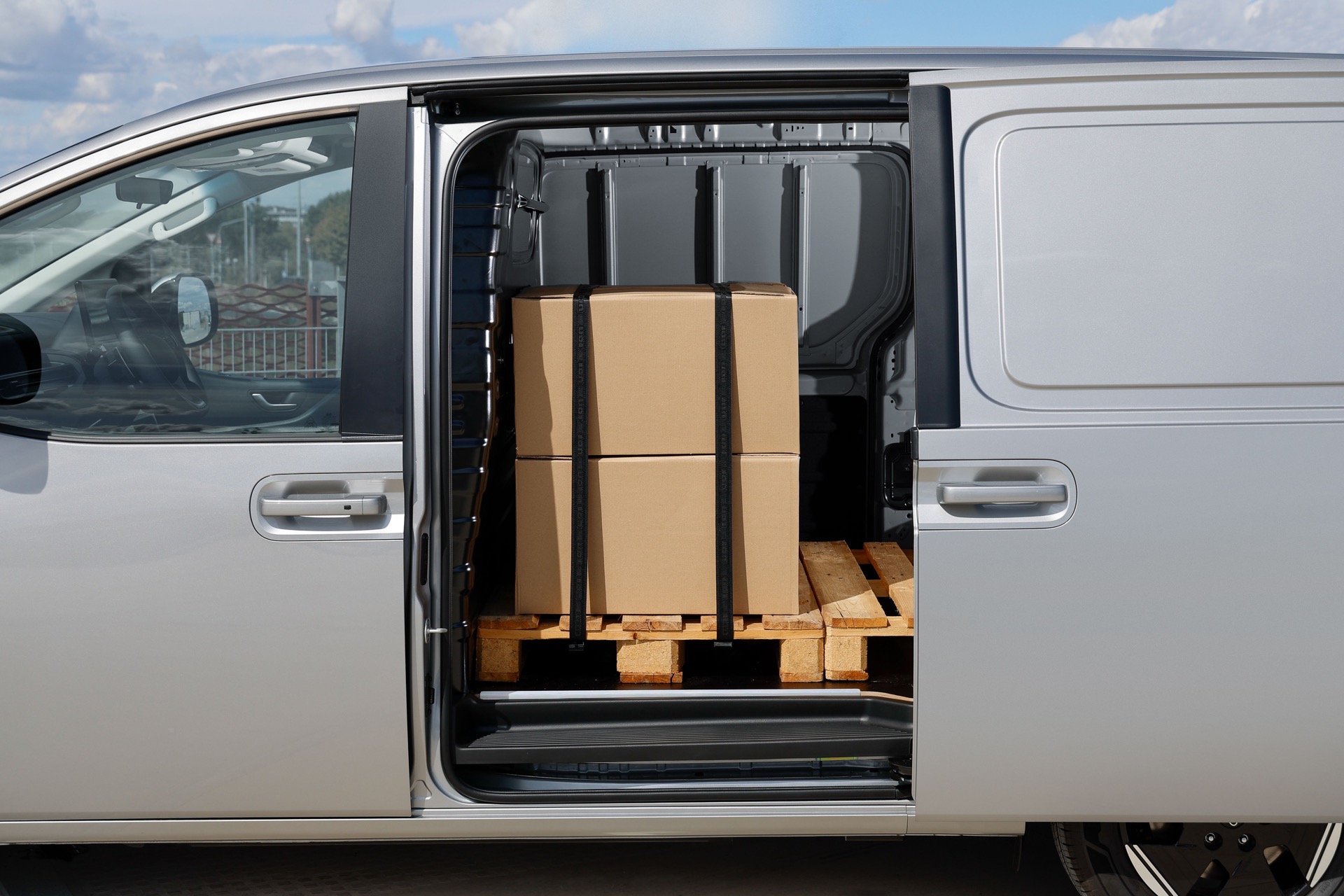
The Staria Van measures 5.253 mm in length, 1.997 mm in width (excluding mirrors), and 2.026 mm in height (including antenna) , with a wheelbase of 3.273 mm. These dimensions place it significantly larger than other small delivery vans and should be considered when accessing underground parking garages or facilities with height restrictions. The cargo compartment offers space for three Euro pallets . The load area measures 2.500 mm long, 1.640 mm wide, and 1.436 mm high, with a claimed volume of 5,462 m³.
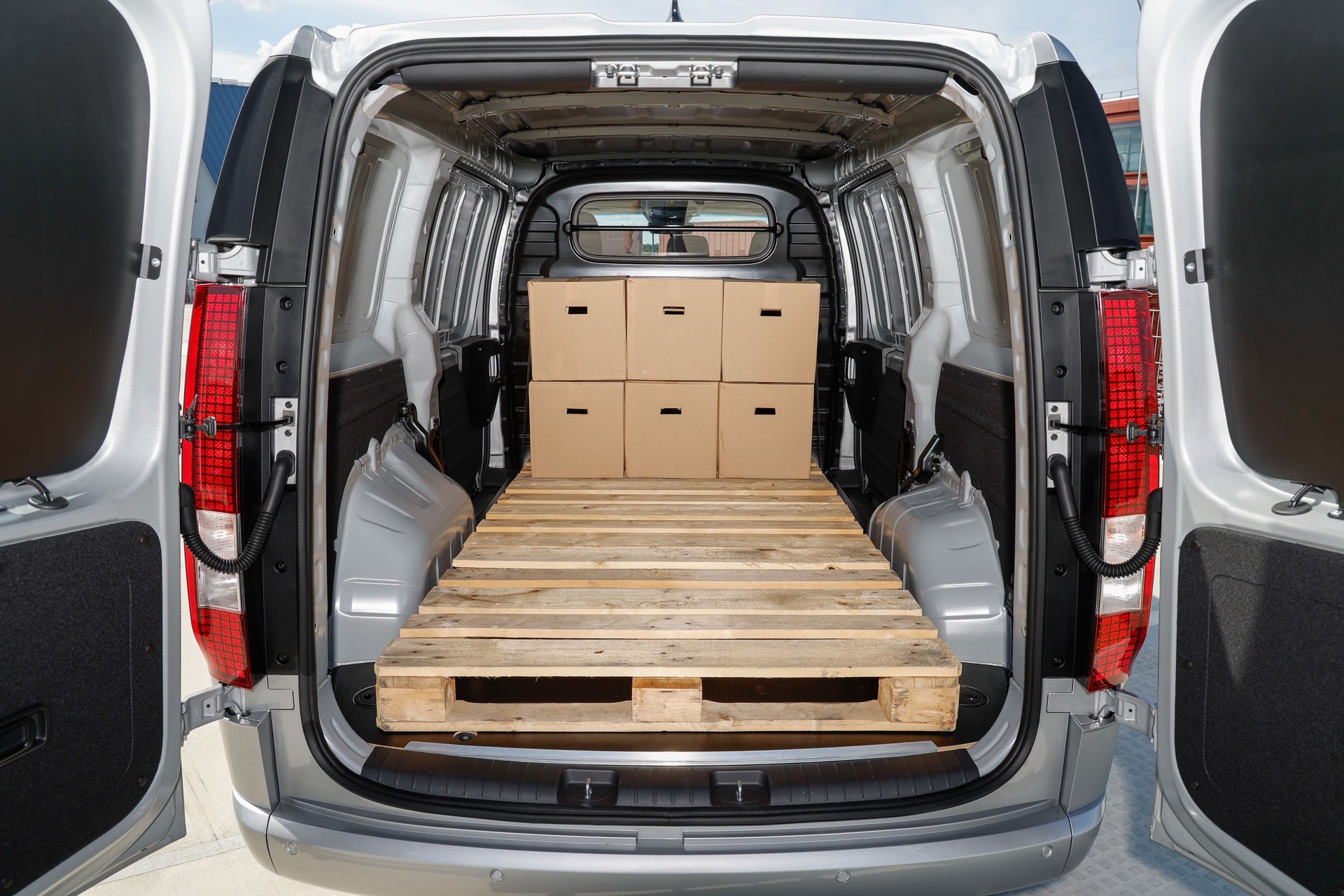
The payload reaches 1.040 kg , a significant figure for professionals who transport tools, spare parts, or heavy goods. However, as with any commercial vehicle, the weight of shelving, linings, and other elements added during vehicle outfitting must be considered: these also factor into the payload capacity.
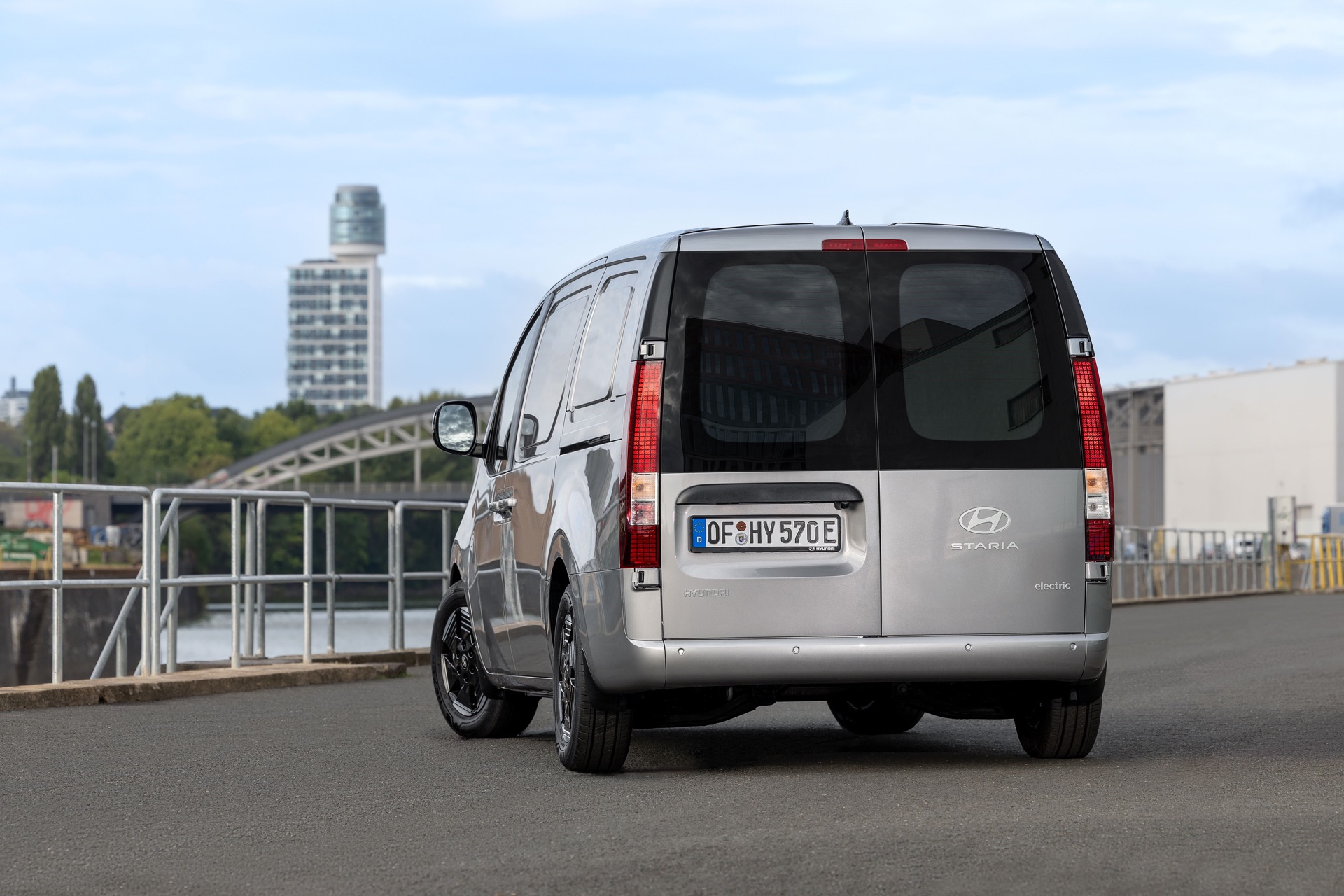
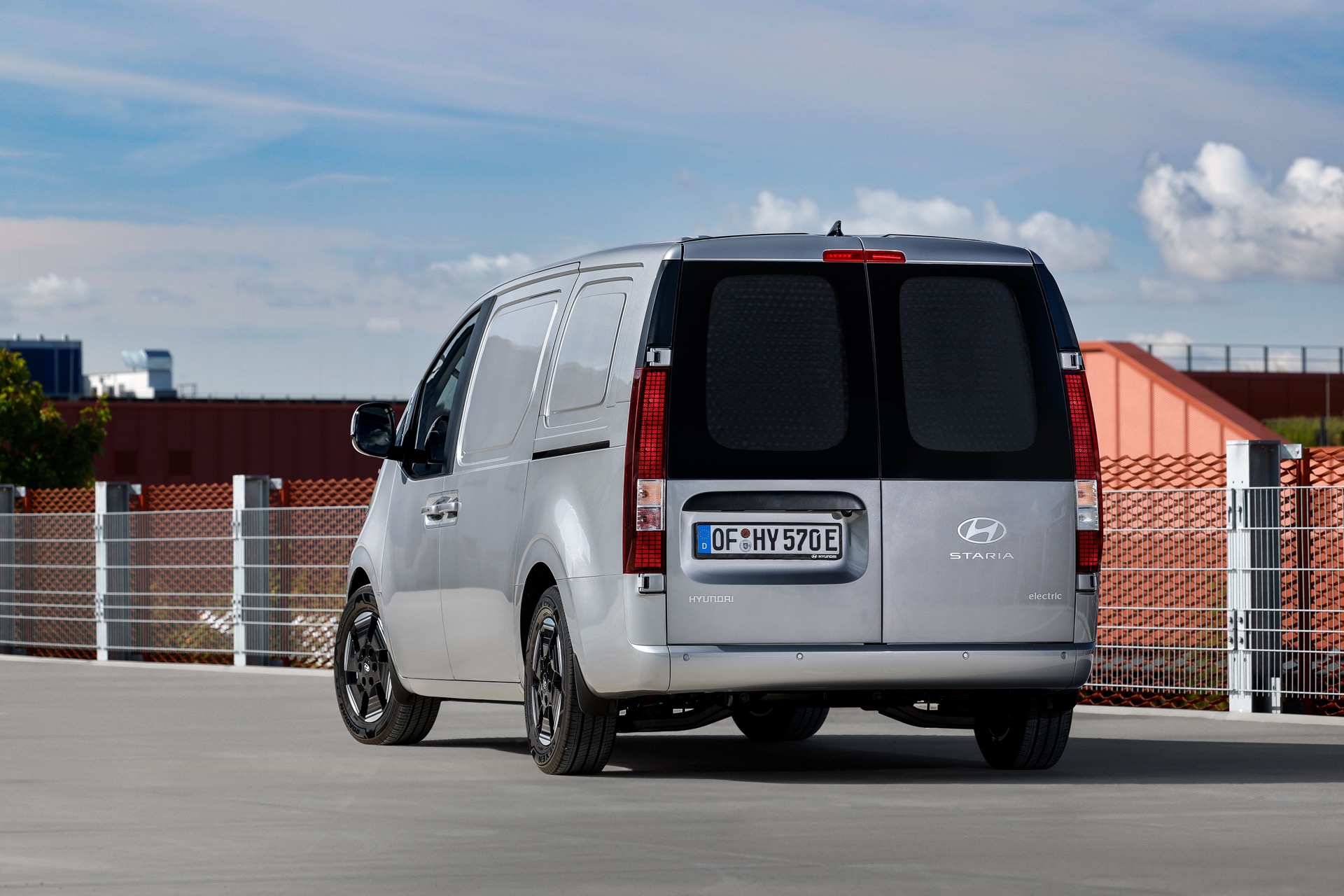
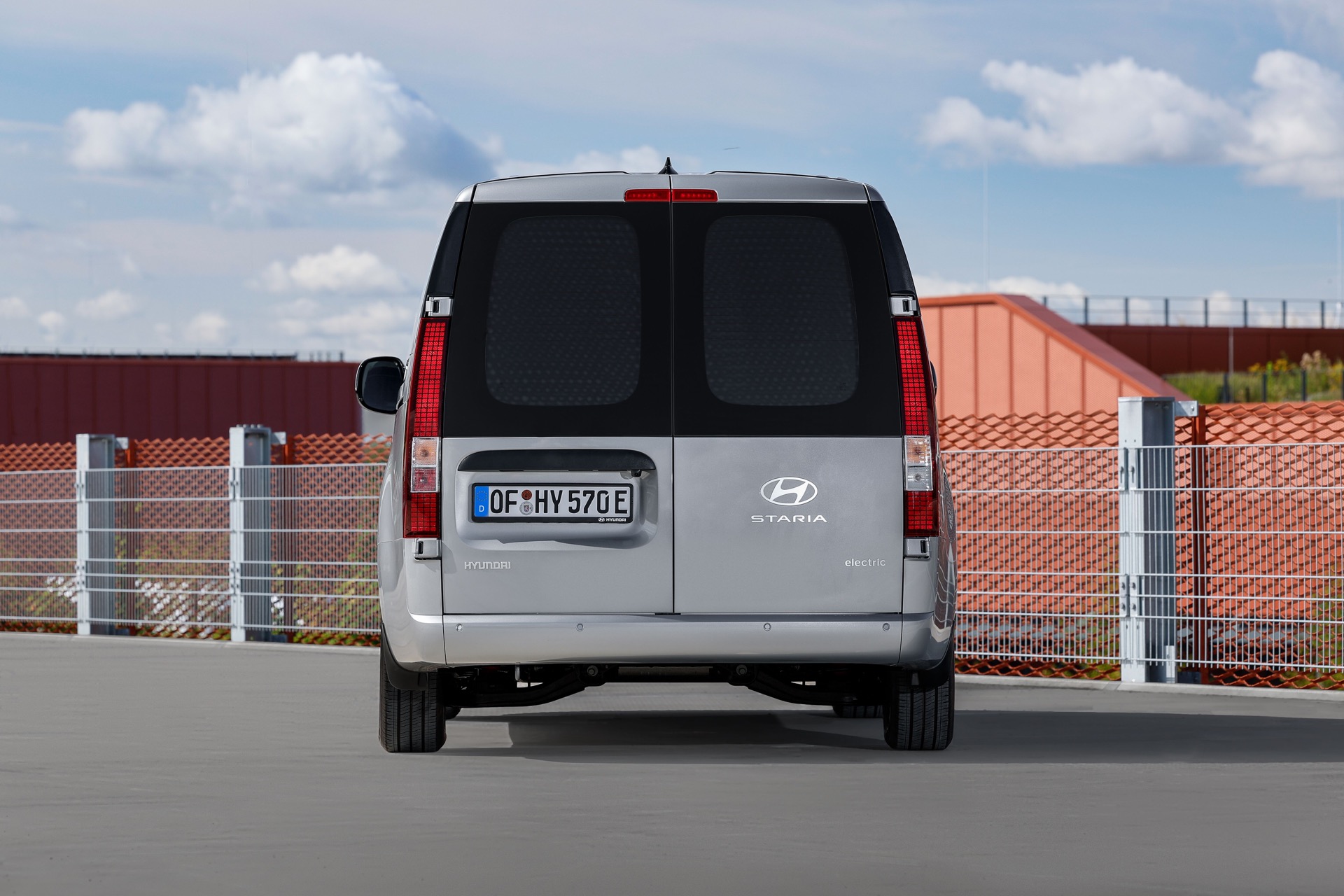
The Staria Cargo is designed as a three-seater van, homologated in category N1 , with a steel partition separating the occupants from the cargo. Two sliding side doors allow access from either side, while wide-opening rear doors facilitate loading operations. The 573 mm sill height is helpful when loading and unloading materials repeatedly throughout the day.
Up to 2.000 kg trailer capacity: more possibilities for working
The towing capacity expands the range of tasks this van can handle. Hyundai announces a towing capacity of up to 2.000 kg with a braked trailer and 750 kg without brakes , figures that allow for the transport of machinery, equipment, or materials that don't fit in the main compartment.
Furthermore, it can maintain that braking towing capacity with a maximum load of 1.040 kg on board. This is particularly useful for companies that need to transport tools inside the van and tow other equipment on a trailer, always within the homologation limits of the combination and the corresponding driver's license.
In this type of use, range estimates will also need to be adjusted. Weight, the trailer's aerodynamic drag, and speed can significantly increase fuel consumption, so the 450 kilometers WLTP figure should not be taken as a reference for driving fully loaded while towing another vehicle.
218 hp motor and 84 kWh battery
The Hyundai Staria Van uses a 160 kW (218 hp) electric motor with 350 Nm of maximum torque , which drives the front wheels via a single-speed transmission. The lithium-ion battery has a capacity of 84 kWh . According to the provided specifications, the commercial version accelerates from 0 to 100 km/h in 8,6 seconds and reaches a top speed of 184 km/h. These figures are more than adequate for a work vehicle, although in everyday driving, the engine's responsiveness and the absence of gear changes are more relevant, especially when driving in traffic or making frequent stops.
The suspension combines an independent McPherson strut front setup with a multi-link rear system. It rides on 17-inch wheels with 215/65 R17 tires , a choice consistent with the pursuit of both cargo capacity and comfort. The electric drive also eliminates the noise and vibrations of a combustion engine. This can make spending long hours behind the wheel more enjoyable, although a dedicated test will be necessary to assess its sound insulation and handling with cargo.
Up to 450 km of range: also for leaving the city
The official range is up to 450 kilometers combined WLTP and 634 kilometers in urban driving . On paper, this range allows for uses beyond urban deliveries. It could be suitable for technical services that travel between municipalities, companies connecting different facilities, or professionals who combine city and highway driving.
Actual range will depend on the route, temperature, climate control, speed, and especially the cargo being transported. To determine if it's suitable for a specific activity, it's helpful to know the mileage of the most demanding days and the available charging opportunities. Having a charging point at the base to start each morning with a fully charged battery can greatly simplify its use.
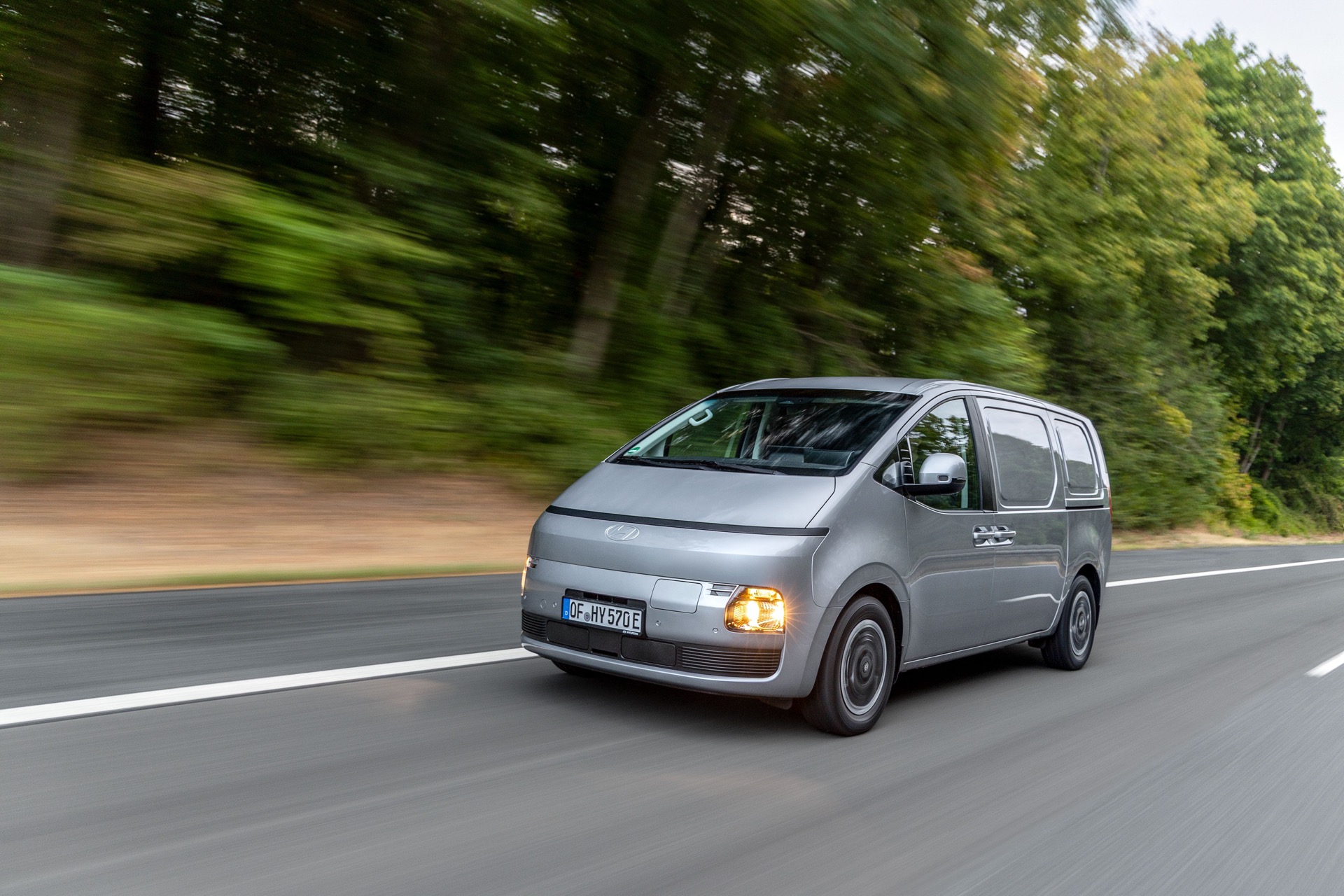
A long battery life helps you plan your day, but the speed of recharging can be just as important when you need to keep working. The 800-volt electrical system is one of the features that sets the Staria Van apart. Hyundai advertises a charge from 10 to 80% in approximately 20 minutes , under optimal conditions and using a compatible high-power DC fast charger. The specifications use a 350 kW charging station as a reference point to achieve this time; this does not mean the van draws 350 kW throughout the entire charging session.
The chosen infrastructure significantly impacts the outcome. With a 50 kW charger , the advertised charging time from 10% to 80% is 81 minutes . For a professional, this difference can determine whether a charging stop fits into a work break or requires reorganizing the work schedule. Using alternating current, the onboard charger supports up to 11 kW , with an indicated charging time of 7 hours and 35 minutes to go from 10% to 100% . This is the ideal option for overnight charging at the office or for recovering energy while the vehicle remains parked for several hours. Taking full advantage of the 11 kW capacity requires proper installation and a suitable power supply.
A van that also powers your tools
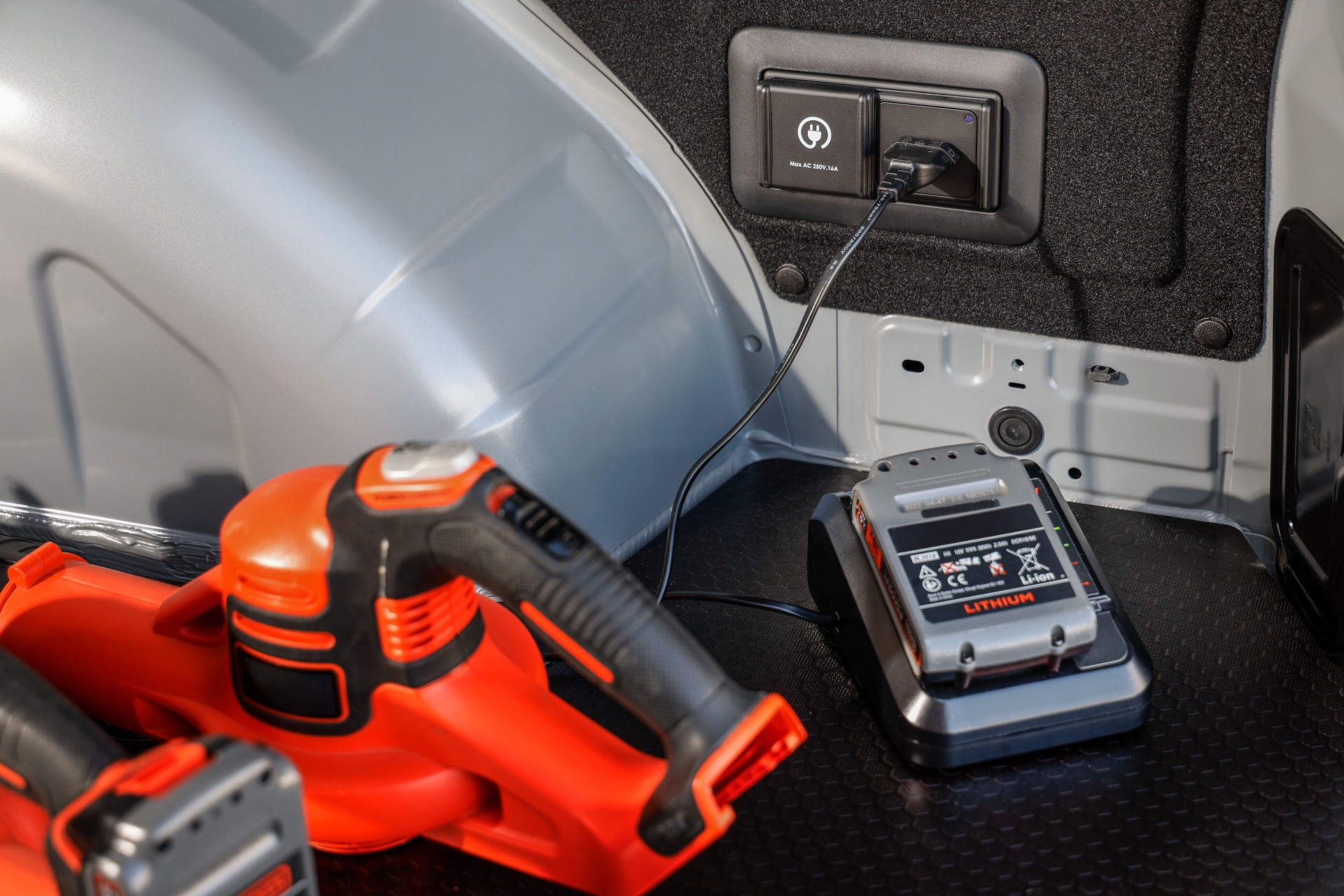
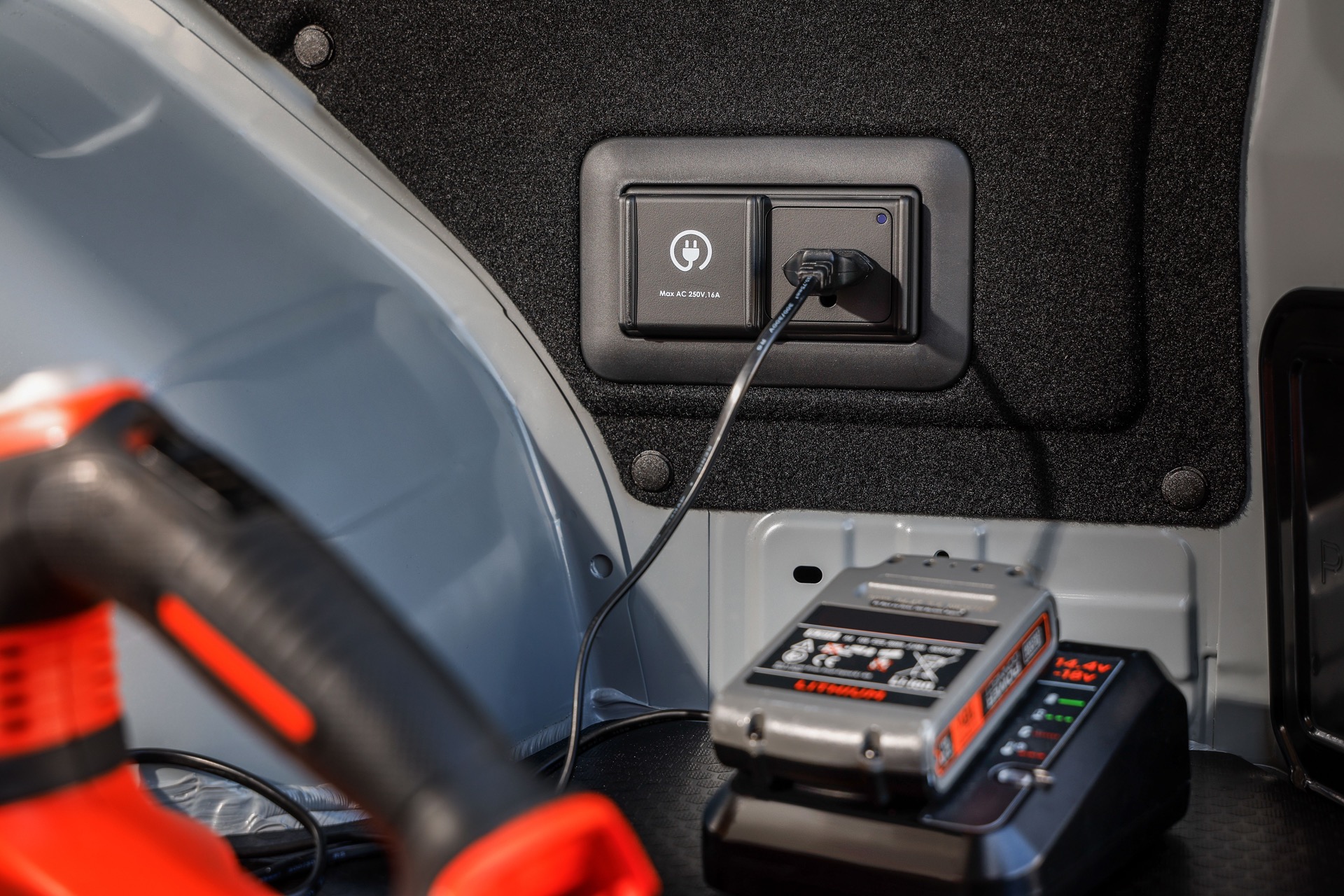
The Vehicle-to-Load (V2L ) function allows the traction battery to be used as a power source for external devices. The Staria Cargo boasts a power output of up to 3,5 kW , enabling the connection of devices both externally and via a socket in the cargo area. For installers or maintenance crews, this opens up specific applications: recharging tool batteries, powering auxiliary lighting, or using compatible equipment in locations without electrical outlets. It can also be useful for temporary installations and outdoor work.
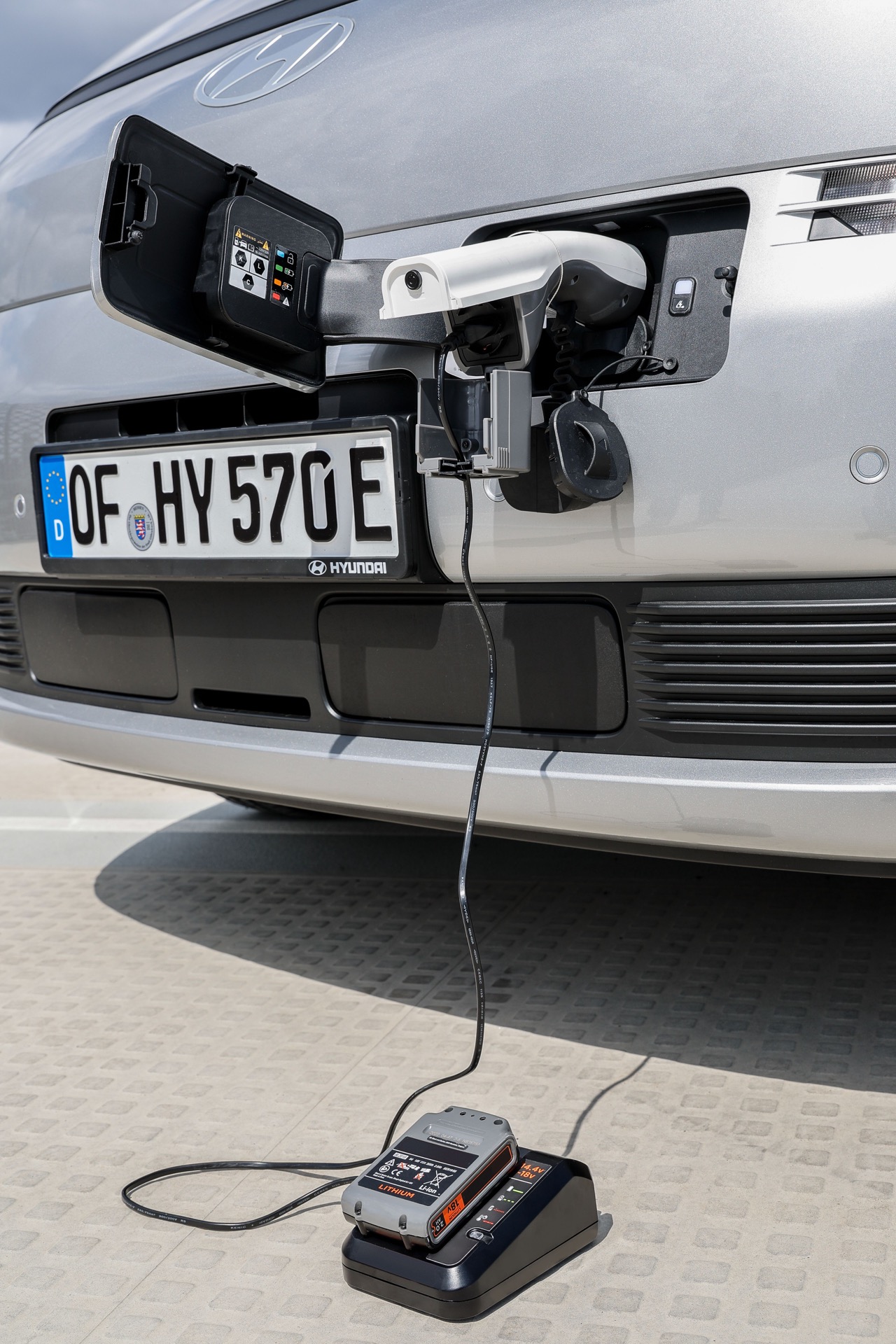
The power consumption of these devices comes from the same battery that powers the vehicle. Therefore, this must be taken into account when planning the return trip, as well as verifying that the power of the equipment and its starting requirements are compatible with the system.
Digital booth and assistants to facilitate the day
The cabin features Hyundai's ccNC multimedia system with a 12,3-inch touchscreen , as well as digital instrumentation. Connected functions allow you to view vehicle information and remotely manage aspects such as charging status and climate control.
The announced safety features for the Staria Van include automatic emergency braking, lane keeping assist, lane following, and adaptive cruise control with stop & go . It also includes blind spot monitoring, a rearview camera, and front and rear parking sensors. The final configuration will need to be confirmed for each market. These features are especially useful in a van over five meters long, both when maneuvering in loading areas and when driving in the city or undertaking long journeys. The bulkhead and enclosed cargo area limit direct rearward visibility, which reinforces the usefulness of the camera and sensors.
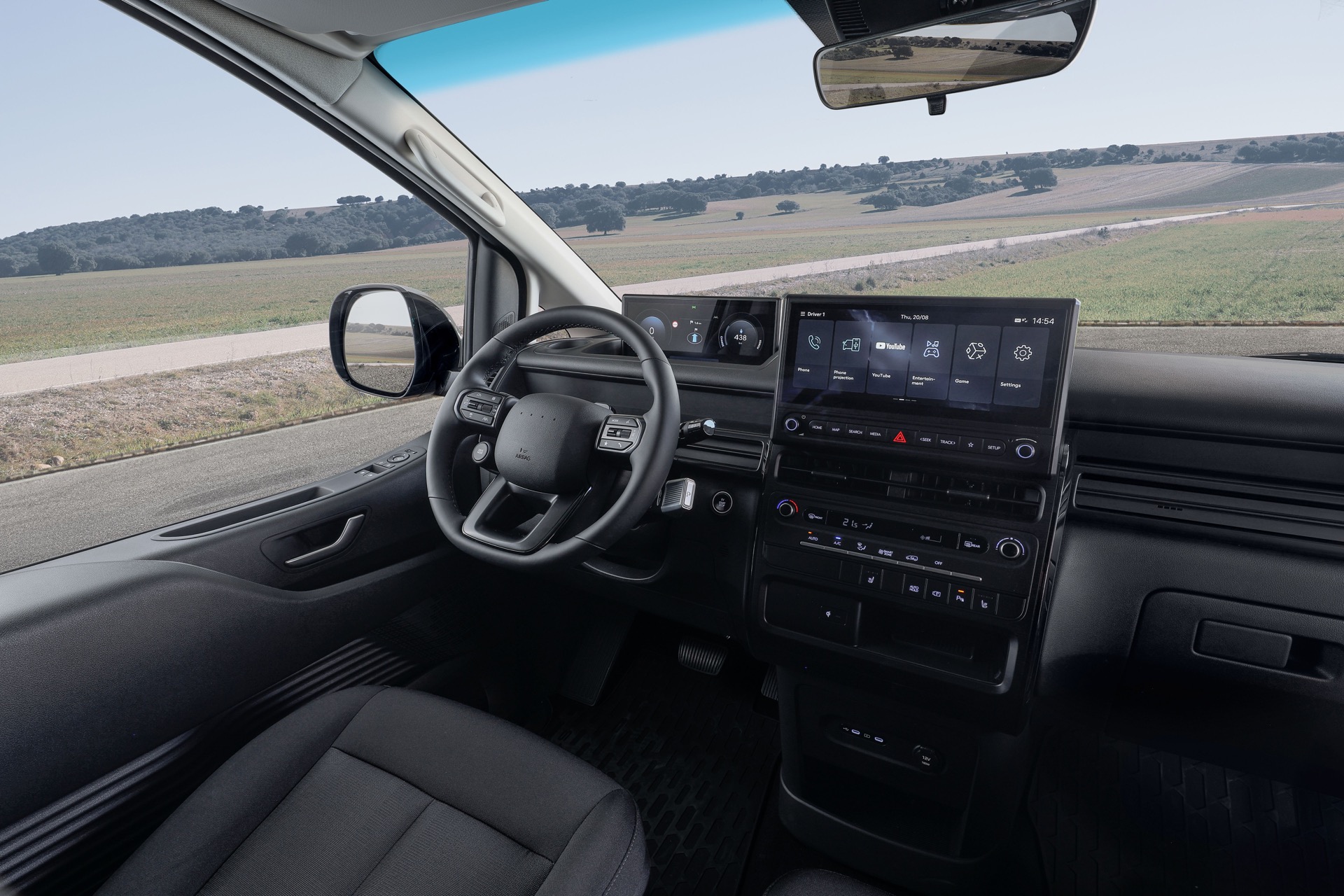
Hyundai also works with conversion partners to adapt the Cargo to different professional activities. The specific possibilities will depend on the offerings available in each country, but they can be crucial for those who need to outfit the vehicle with shelving, racks, or specific equipment.
What else do we need to know to fully assess the Hyundai Staria Cargo?
The combination of payload capacity, ability to carry three Euro pallets, towing capacity of up to two tons, and fast charging gives the Staria Van a strong case for competing in a wide variety of jobs. Its appeal is greatest in activities with predictable routes and charging stations, where integrating an electric vehicle into regular operations is easier.
The price, the final commercial configuration for Spain, and the available modifications are still to be revealed. Fuel consumption under load and on the highway will also be important to check, two essential aspects for evaluating a work van.
Hyundai Staria Van – Image Gallery