

Artificial intelligence is no longer just for writing texts, generating images, or answering questions; it's also starting to have very specific applications in professional transportation. And one of the most interesting comes from Ford, which has launched Ford Pro AI in Europe, a virtual assistant designed to help companies manage their commercial vehicle fleets more easily and efficiently. The idea is simple: instead of searching through dozens of reports, tables, and graphs, a fleet manager can directly ask the system what they need to know about their vehicles. For example, which ones need maintenance, which drivers have recorded the most incidents, or if any vans are being used outside of working hours.
Ford Pro AI is integrated into the Ford Pro Telematics platform and is offered at no additional cost to customers who already have a paid subscription . The tool began rolling out in European markets on July 15, 2026.
What is Ford Pro AI and how does it work?
To understand the usefulness of this technology, we must first explain what telemetry is. Basically, it consists of collecting and transmitting information about a vehicle's operation: distance traveled, location, fuel consumption, driver behavior, mechanical condition, and potential breakdowns, among many other parameters. Modern commercial vehicles incorporate connected systems capable of sending this data to a management platform. The problem is that having a lot of information doesn't necessarily mean it's easy to use.
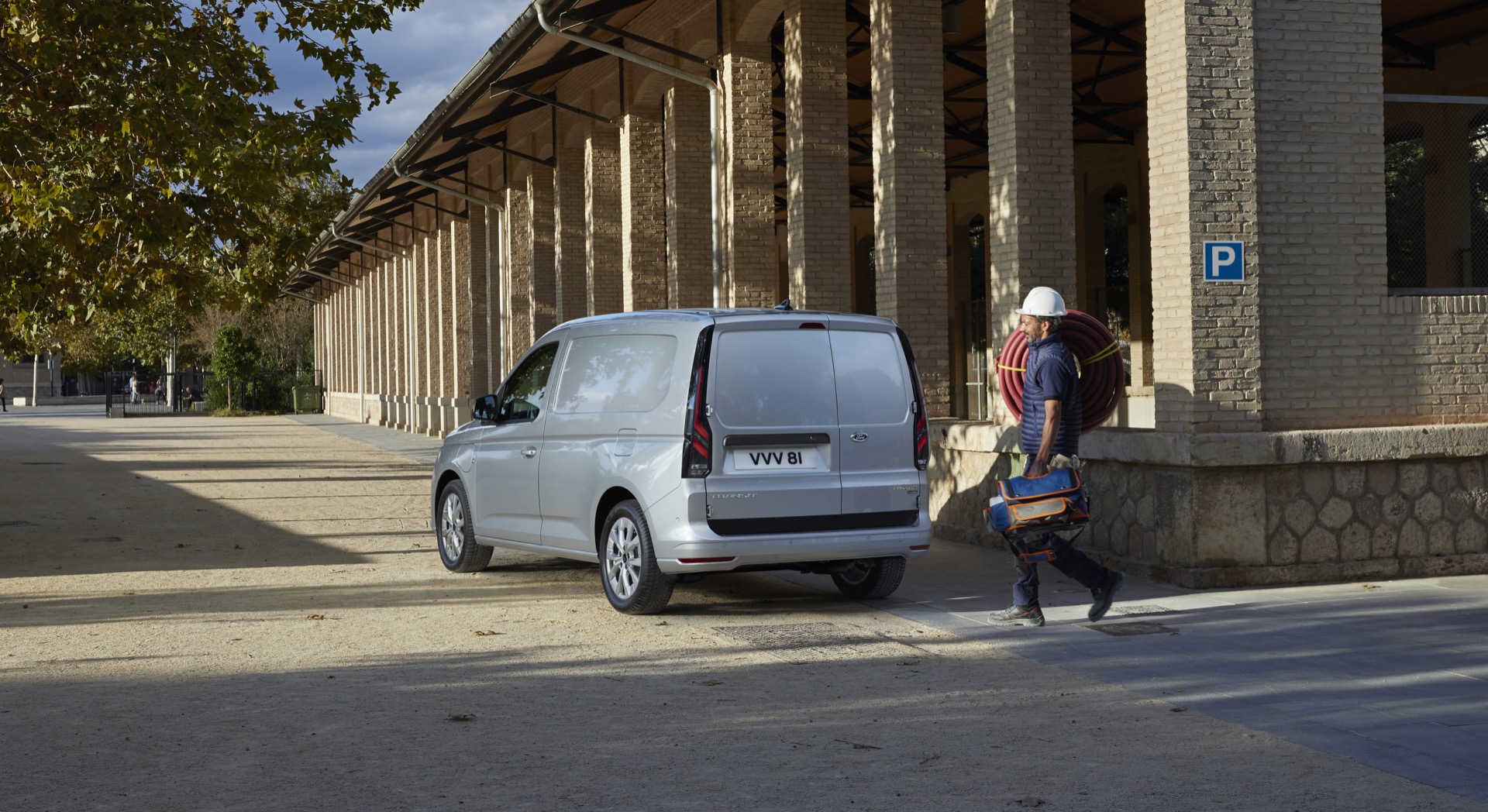
Until now, a fleet manager might have had to navigate through different screens, apply filters, or download spreadsheets to locate specific data. With Ford Pro AI, all it takes is asking a question in natural language, just as you would with a conventional AI assistant. The system interprets the query, analyzes the data available in Ford Pro Telematics, and returns an understandable answer, without requiring the user to have any technical knowledge of data analysis. The difference is that Ford Pro AI doesn't respond based on generic information from the internet, but rather using data from the fleet's own vehicles.
A practical example: managing a fleet of ten vans
Imagine a small electrical installation company with ten Ford Transit and Transit Custom vans. Every morning, these vehicles leave to perform jobs at different locations around the city and return at the end of the day. The company manager needs to know if the vans are working efficiently, when they need to go in for maintenance, and if there are any issues that could affect service. With Ford Pro AI, they could ask questions like these:
-
Which vehicles need maintenance soon? The system can identify the units that require attention and facilitate the scheduling of workshop visits.
-
Which driver has recorded the most speeding violations this month? This allows you to check driving habits and detect potential safety issues.
-
Are there any vans that have seen little use in recent months? This helps identify underutilized vehicles and assess whether the fleet is properly sized.
-
Has any vehicle been used outside of working hours? This allows you to check travel times and schedules based on the recorded data.
-
What does the fault warning message on one of my Transit vans mean? The assistant can explain the recorded issue and guide you on the necessary actions.
These queries can be performed without generating manual reports or reviewing the data of every vehicle individually. For a small company, this simplifies administrative tasks. For a large fleet with dozens or hundreds of vehicles, the potential time savings can be even greater. Ford notes that, according to its research, routine administrative tasks can consume up to 23 hours per week for fleet managers.

This doesn't mean Ford Pro AI will automatically recover all that time, but it does highlight the existing room for improvement. A significant part of fleet management involves gathering information, checking records, reviewing incidents, scheduling maintenance, and preparing reports. These are necessary tasks, but they consume resources that could be used for route planning, service improvement, or business development. Generative artificial intelligence can be particularly useful because it transforms existing data into easily interpretable answers . In other words, it doesn't replace the fleet manager or make all the decisions for them. It simply provides information more quickly so they can take action.
Anticipating breakdowns and reducing stops, or improving driving and fuel consumption
One of the most interesting applications of Ford Pro AI is its ability to facilitate preventative maintenance. In a transport company, a broken-down van doesn't just mean a repair bill. It can also lead to delayed deliveries, canceled appointments, the need to rent another vehicle, or lost revenue. That's why it's so important to detect potential problems before they take a vehicle out of service.
Ford Pro AI can access vehicle technical data, identify maintenance alerts, and explain certain mechanical issues recorded by electronic systems . For example, when a warning light appears on the instrument panel, the system can provide information about the fault and guide the manager on how to proceed. This doesn't mean that artificial intelligence replaces workshop diagnostics, but it can help determine which vehicles need attention and allow for interventions to be scheduled further in advance. The goal is to move from reactive management, where action is taken only when a problem arises, to a more proactive approach, where data is used to reduce unexpected downtime.
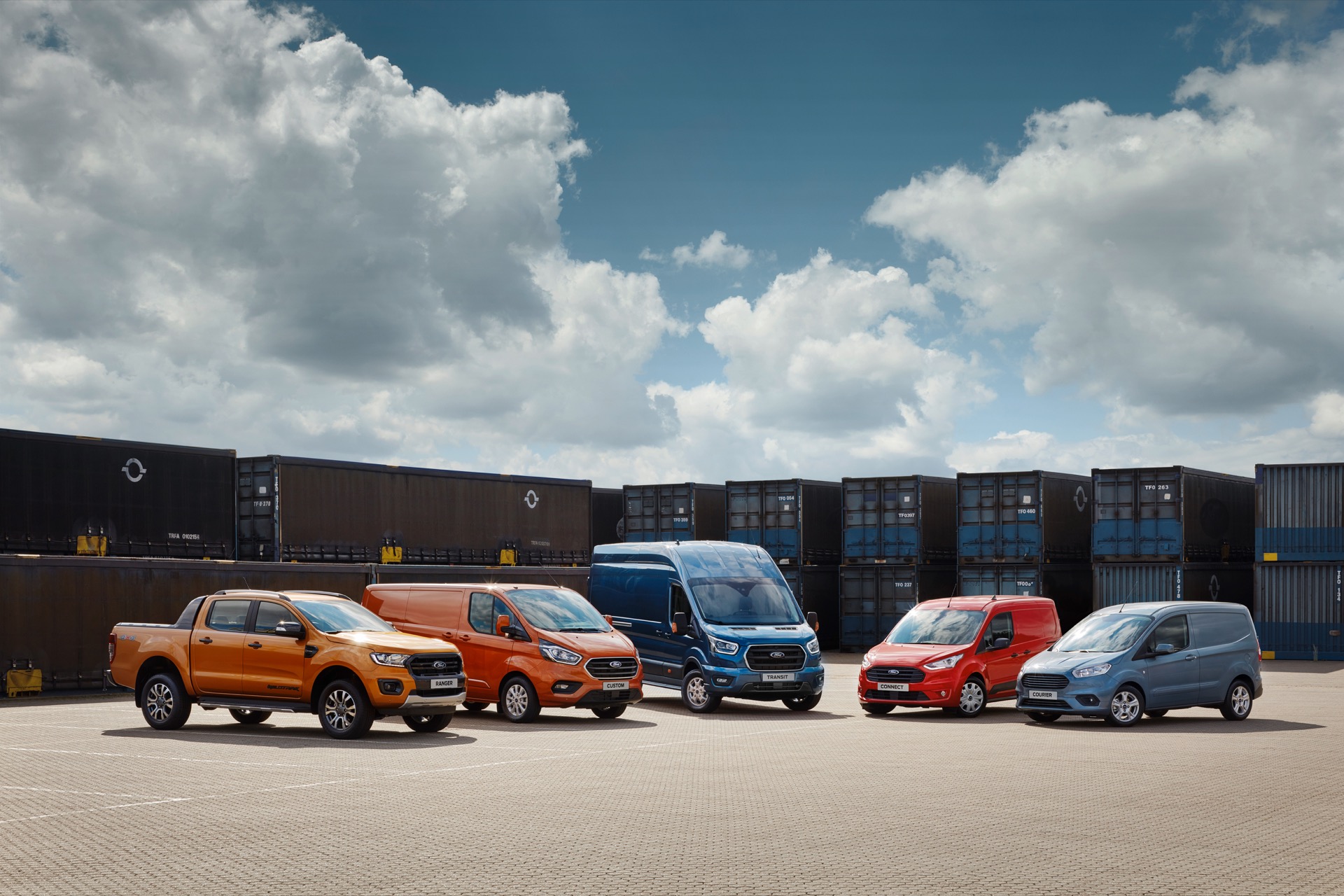
Another function of Ford PRO AI is to analyze how vehicles are used and how their users drive. The system can answer questions related to speeding, driving scores, and engine idling times. This last piece of data, for example, is of interest to fleets with combustion engines. A van that sits with its engine running for extended periods while parked consumes fuel without traveling any distance. Identifying these behaviors can help reduce fuel costs and improve efficiency. It's also possible to detect vehicles that travel very few kilometers or that are used outside their usual work areas. With this information, the fleet manager can reorganize resources or review vehicle allocation.
Naturally, these types of tools involve processing information related to drivers' location and behavior. Their use must comply with data protection regulations and workers' rights, and a clear policy on who can access the information must be in place.
What differentiates Ford Pro AI from other artificial intelligence assistants?
One of Ford's key arguments is that the tool uses information obtained directly from the modems factory-installed in its vehicles. This allows access to data specific to the car's electronic systems, including certain mechanical warnings and operating parameters. Ford believes that having this information directly from the manufacturer is an advantage over external telematics solutions. However, the accuracy and usefulness of the responses will depend on the available data and its correct interpretation.
Another advantage is integration. Ford Pro AI is part of the Ford Pro Telematics platform, so customers already using this service don't need to install a separate application or configure a new tool. The company states that the assistant also respects the access permissions established for each user within the organization and adheres to its corporate data security guidelines.
How much does Ford Pro AI cost and who can use it?
Ford Pro AI launched in Europe on July 15, 2026, and is integrated into the desktop version of Ford Pro Telematics. The company confirms that it comes at no additional cost to customers with a paid Ford Pro Telematics subscription. Therefore, it is not a free tool for all Ford van owners, but rather an added feature to the fleet management service. It is a solution geared towards businesses that manage multiple vehicles and want to centralize their operational information.
Artificial intelligence is also starting to be used as a work tool
The arrival of Ford Pro AI reflects a significant shift in the commercial vehicle business. Traditionally, manufacturers competed primarily on aspects such as payload capacity, fuel consumption, range, price, and reliability. All of these factors remain crucial, but now another has been added: the vehicle's ability to generate useful information and facilitate business management. For a company with a large fleet, reducing downtime, improving maintenance planning, or identifying underutilized vehicles can have a considerable economic impact. And for a self-employed individual or a small business, the main advantage can be much simpler: spending less time consulting reports and more time serving their customers.
It remains to be seen to what extent these tools deliver on their promises in daily operations and what real savings they generate. But Ford Pro AI's approach is interesting precisely because it applies artificial intelligence to specific problems in professional transportation. Ultimately, it's not about making the vans smarter per se, but about making better use of the information they already provide so that companies can work more efficiently.