
Peugeot Partner
From €24.350
1 Video






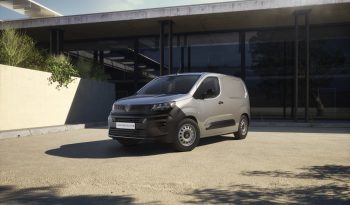
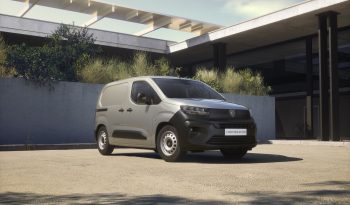
LABEL: 
ENGINES: D / G
Light commercials
1.499 cm3
102 - 130 hp
138 - 151 g CO2/ km
3.300 - 3.900 liters
4.401 - 4.751 mm
1.860 - 1.879 mm
1.848 mm
D = Diesel | G = Gasoline | CNG = Compressed Natural Gas | LPG = Liquefied Petroleum Gas | EV = 100% Electric | HEV = Non-plug-in Hybrid | PHEV = Plug-in Hybrid | MHEV = 48V Microhybrid | H = Hydrogen
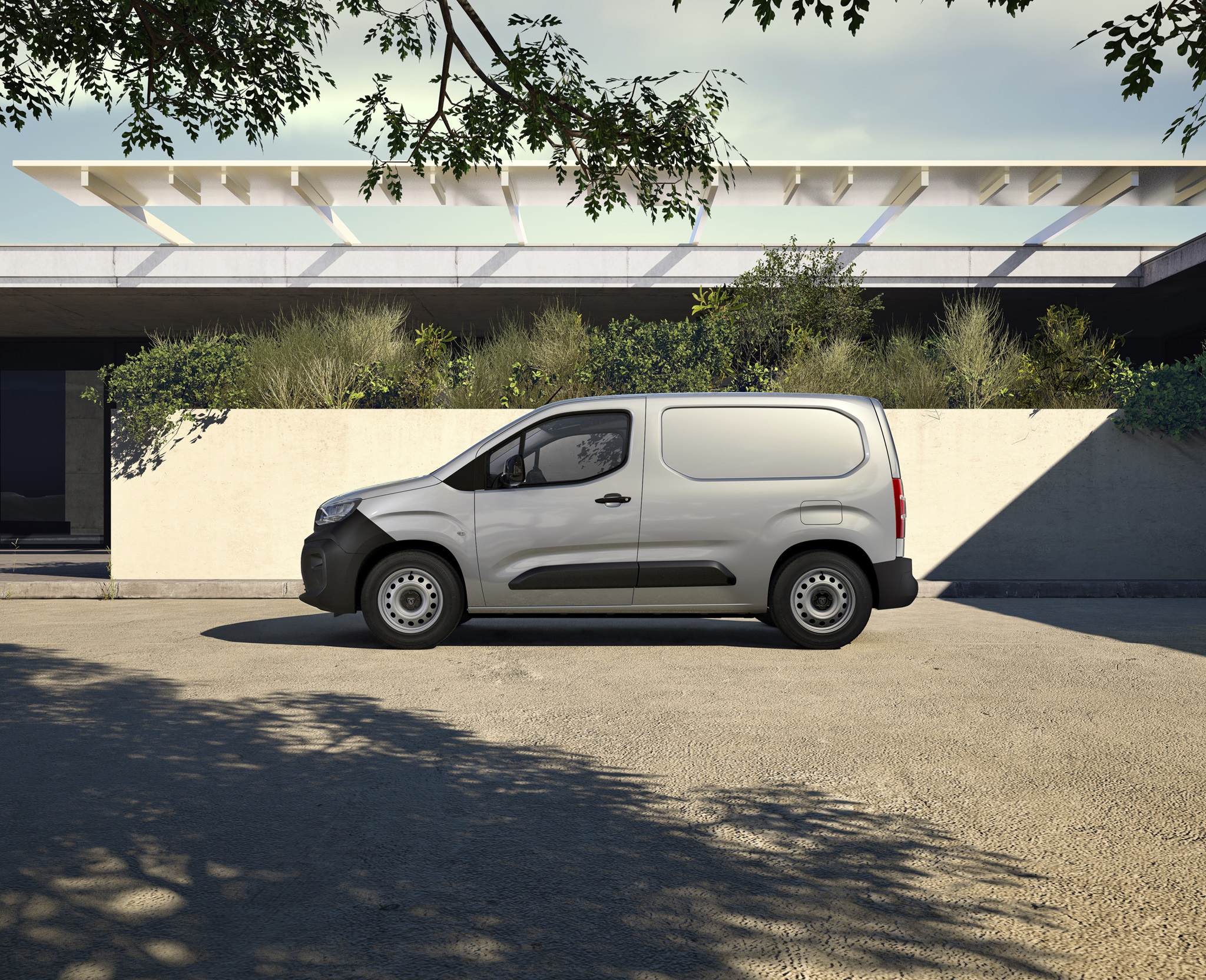
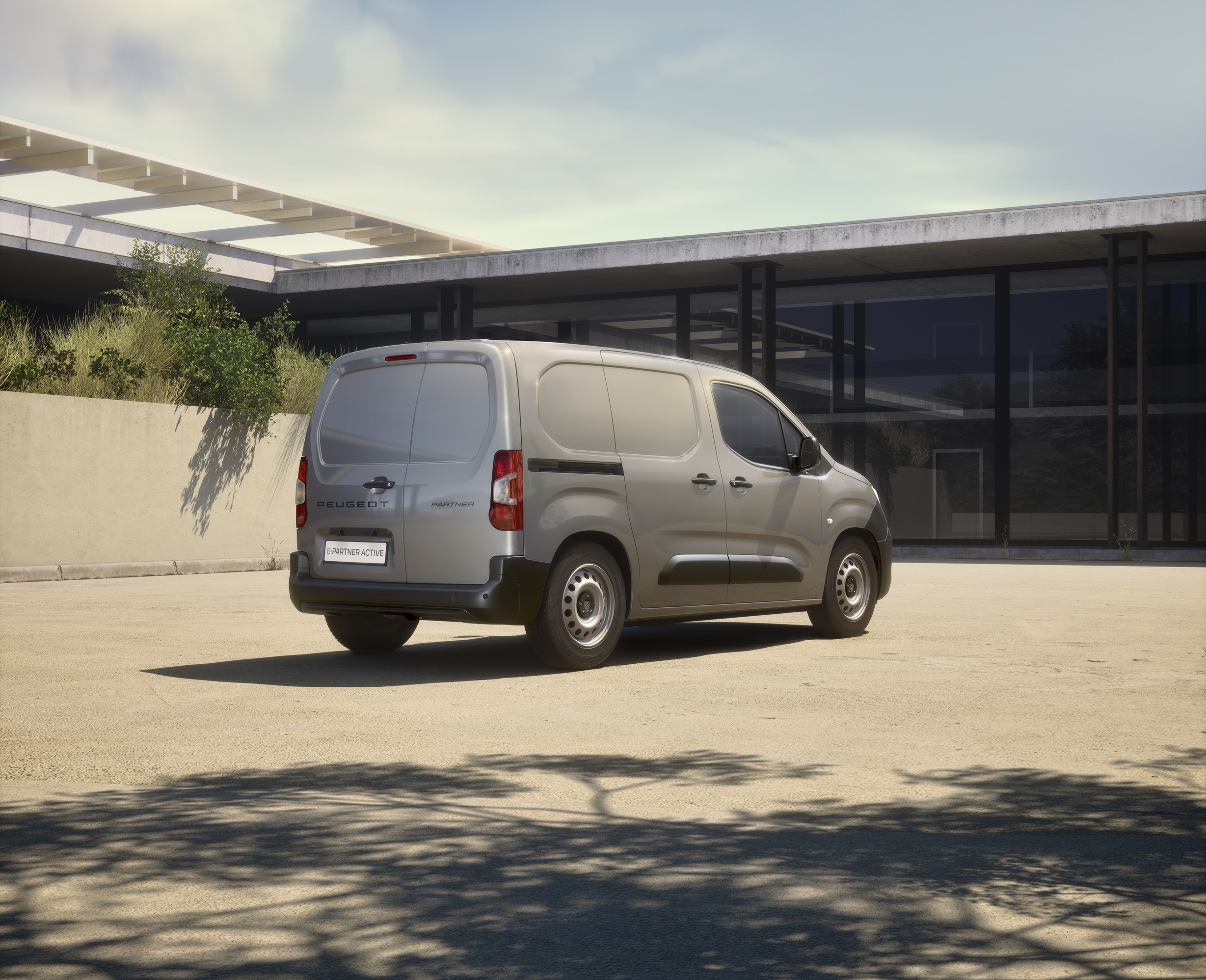
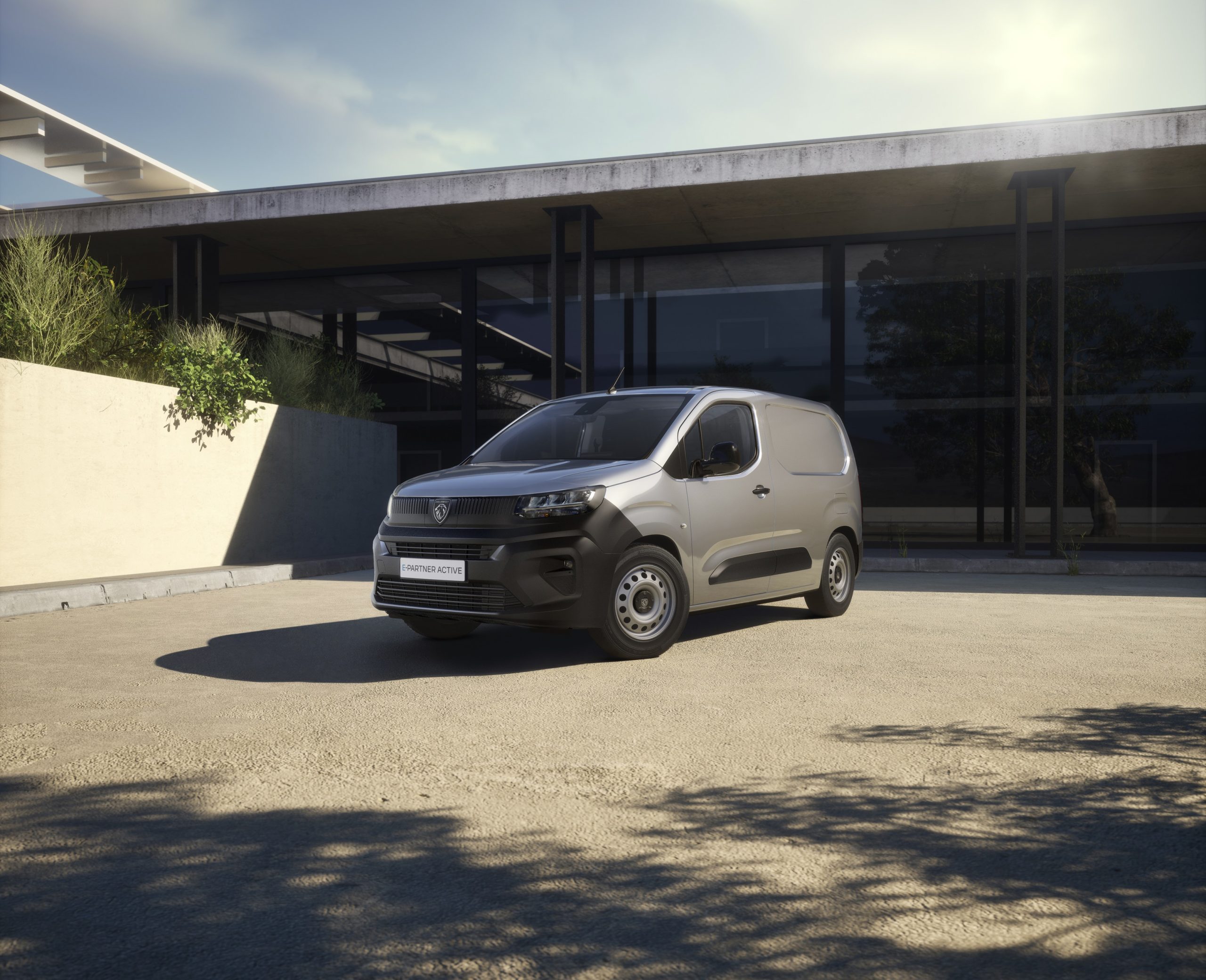
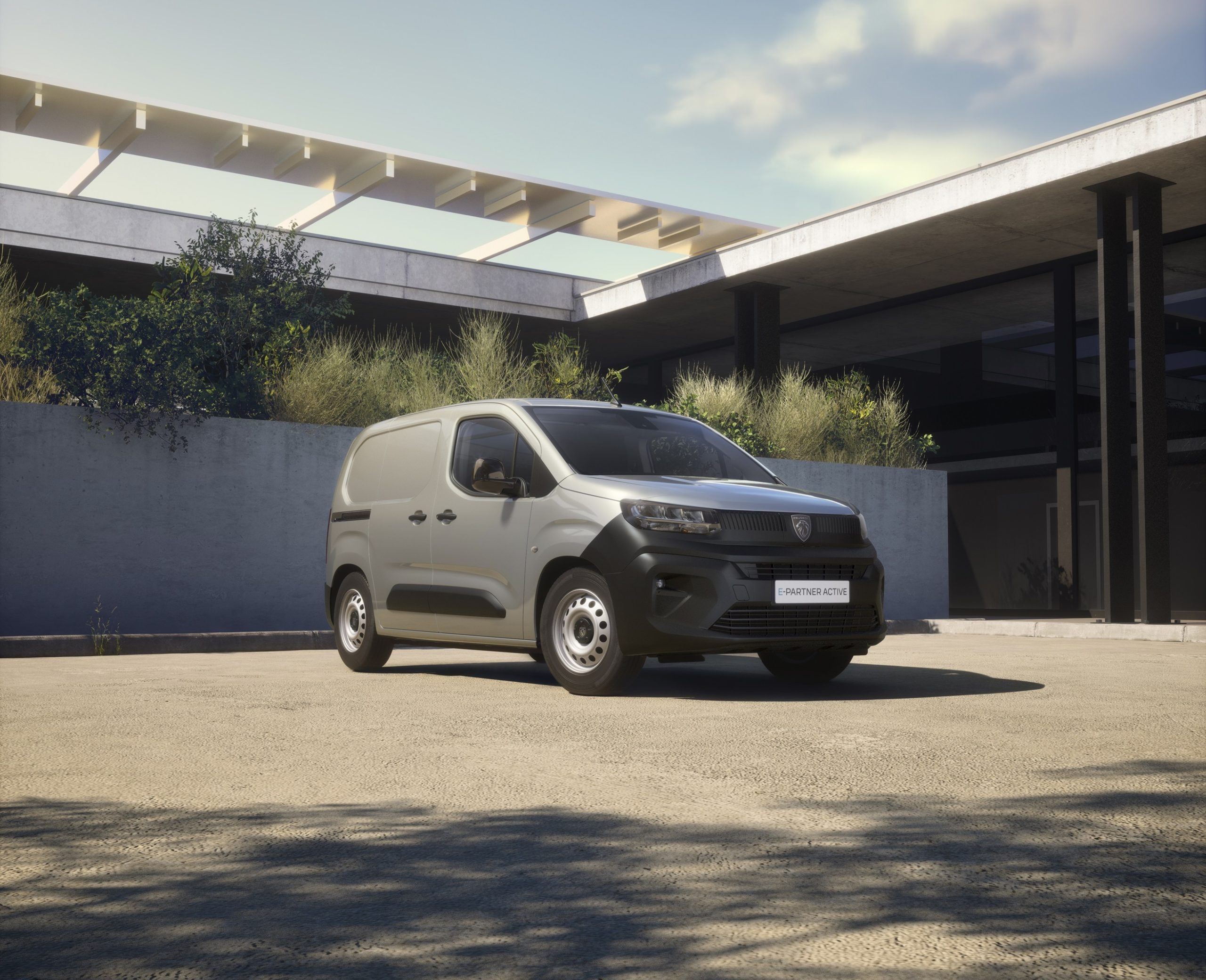
The Peugeot Partner combustion engine van doesn't need to disguise itself as a passenger car to demonstrate its value. Its purpose is to take up minimal space on the road, offer a large cargo area behind a compact body, and allow you to leave every morning without forcing the driver to rearrange their business around the vehicle. In this respect, it remains a benchmark in its segment.
This specification focuses on the petrol and diesel Partner with commercial vehicle homologation. It should not be confused with the Peugeot Rifter, which uses the same platform to transport passengers with a more tourist-oriented approach, nor with the electric E-Partner, which retains the cargo box but completely changes the equation of weight, range, charging, and operating costs. Here we are talking about the Partner that refuels in minutes and can handle city driving, highways, and unexpected service calls without relying on infrastructure.
8,1
Quality Control
/10habitability
/10Load
/10Multimedia
/10Unlimited
/10Security
/10* These ratings are based on the opinions of our experts
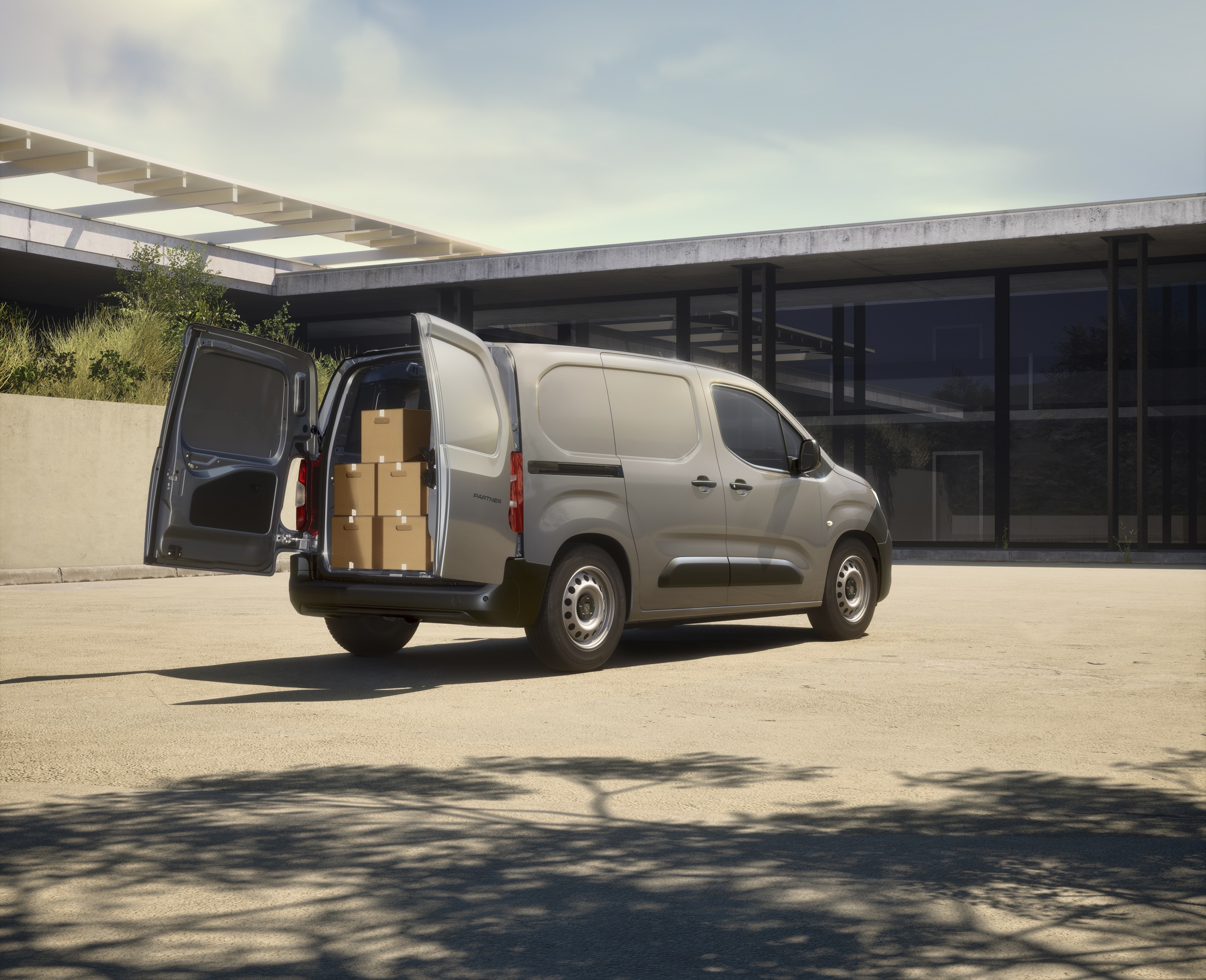
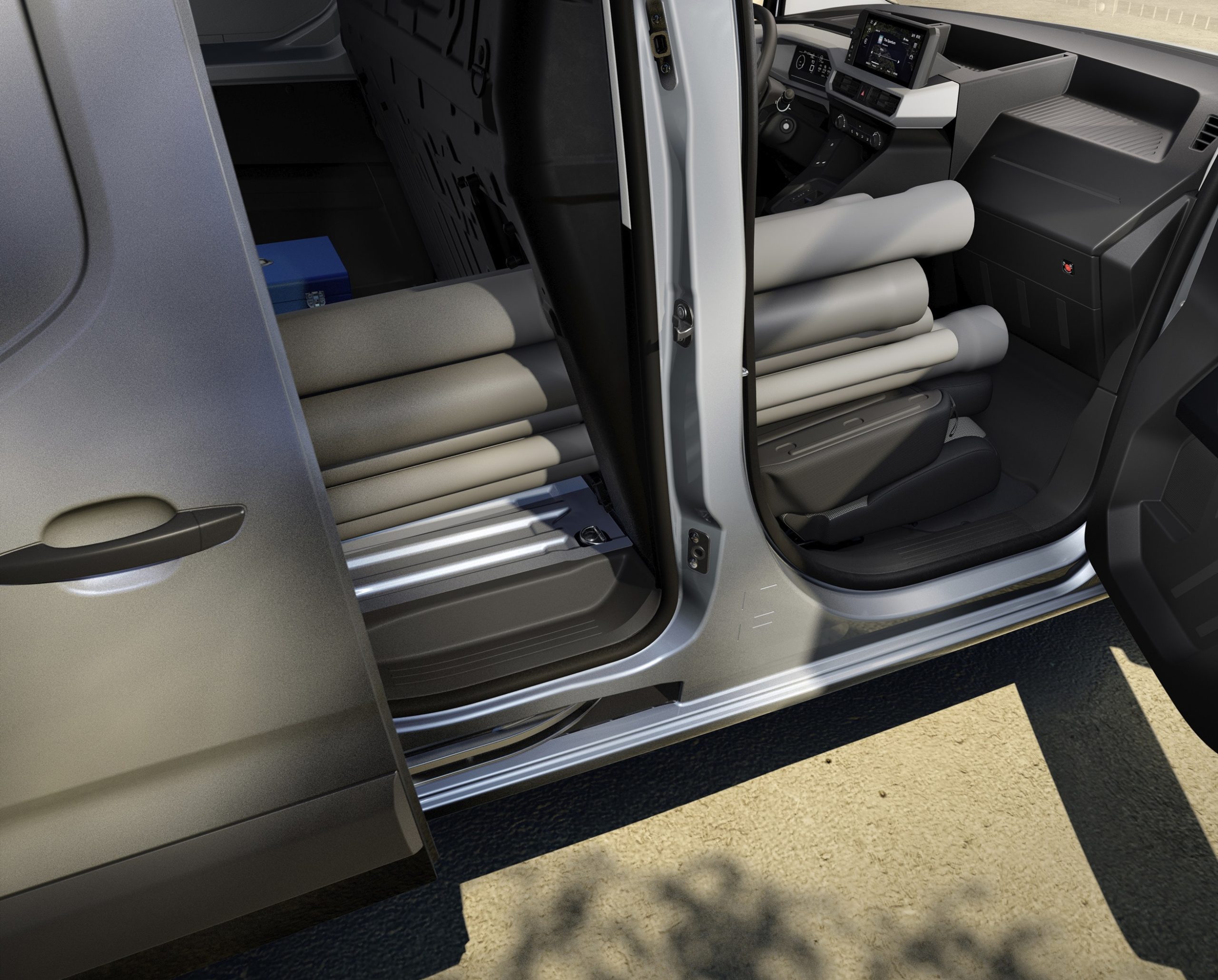
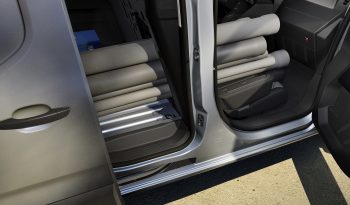
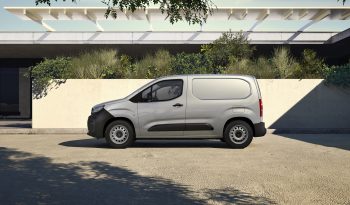
The Spanish range is organized around two lengths. The Standard measures 4.401 mm and offers 3,3 m³ of cargo volume behind the bulkhead; the Long reaches 4.751 mm and 3,9 m³. With the MultiFlex bench seat and the through-loading tailgate, these figures increase to 3,8 and 4,4 m³, respectively, while the maximum usable length reaches 3.090 and 3.440 mm. The decisive factor is not just the cargo capacity, but that a vehicle under 4,8 meters can transport profiles, pipes, ladders, or parts that would otherwise require a medium-sized van.
Peugeot maintains a broad range of combustion engine options for 2026. The 1.2-liter gasoline engine produces 110 hp and is paired with a six-speed manual transmission; the 1.5-liter BlueHDi engines offer 100 or 130 hp, also with a manual transmission, and the 130 hp diesel can be equipped with the EAT8 automatic transmission in compatible versions. All models feature front-wheel drive and a C environmental rating. There is no ECO combustion engine alternative yet, although the brand has announced a mild hybrid powertrain for 2027.
The official payload figures from February 2026 confirm a payload of up to 841 kg in a Standard configuration with increased load capacity, while marketing materials mention up to one tonne depending on the version and engine. This is not a minor contradiction, nor is it a figure applicable to just any Partner. Peugeot calculates the published payload by subtracting a 75 kg reference driver, and furthermore, each engine, GVWR, door, trim, seat, or package modifies the available weight. With a commercial van, you should buy the version code, not the advertised maximum.
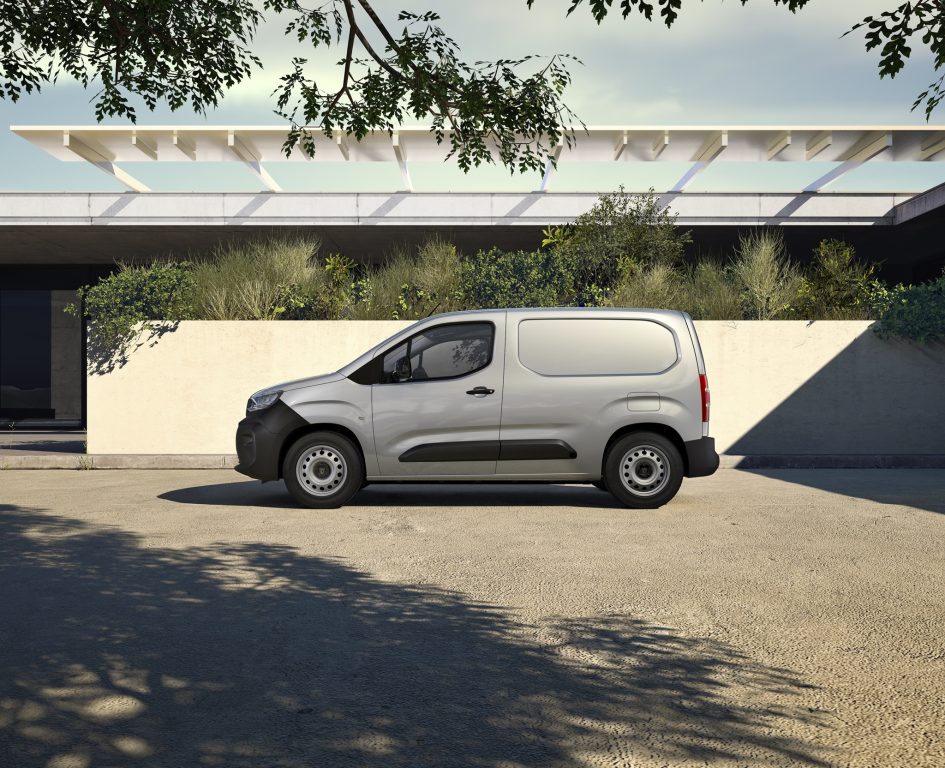
There is also a five-seater Double Cab, designed for work crews, maintenance crews, municipal services, or companies that need to transport people and equipment in the same vehicle. It doesn't offer the same cargo space as a standard van, but it eliminates the need for two cars and maintains an official payload of 677 kg in the BlueHDi 100 configuration specified by Peugeot.
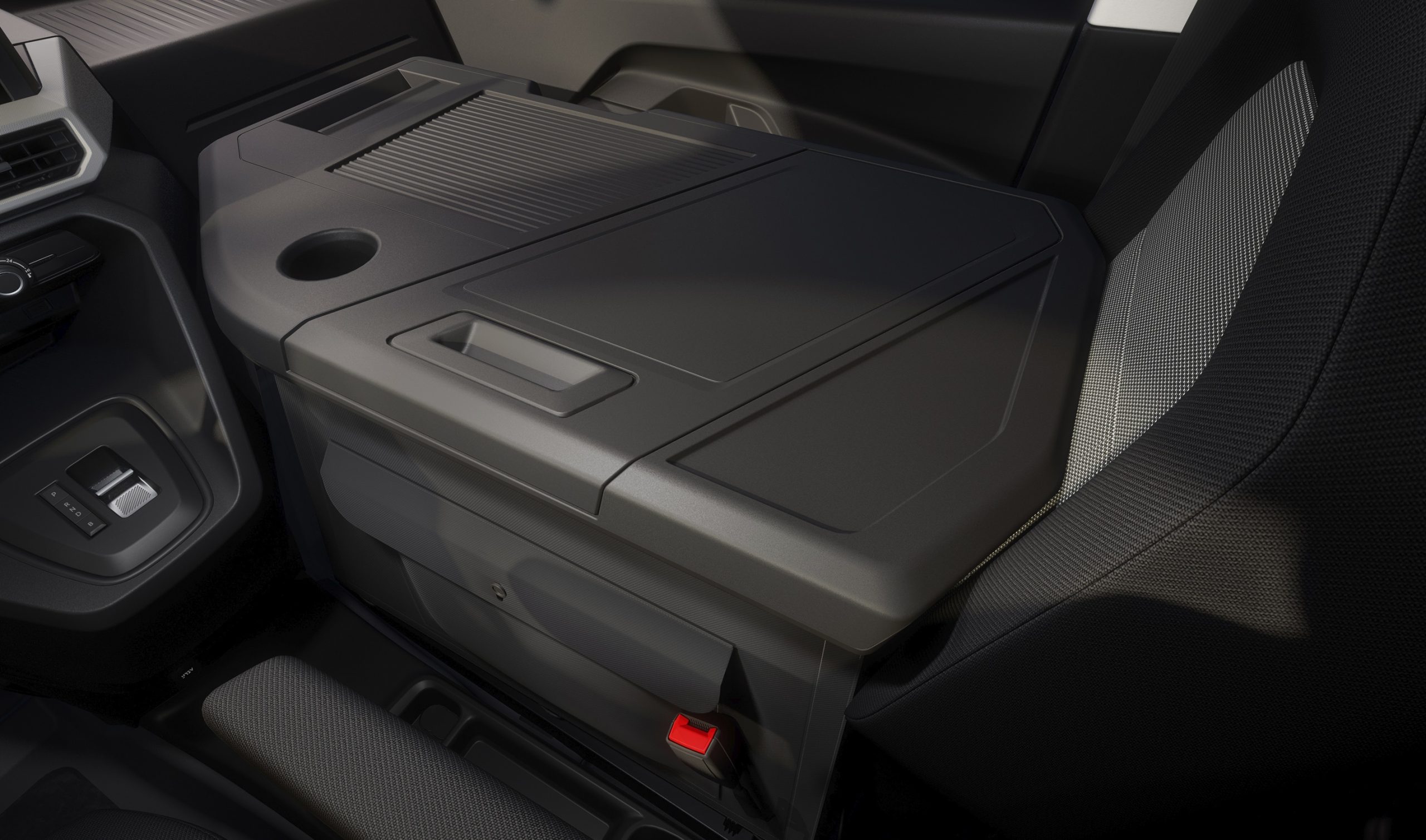
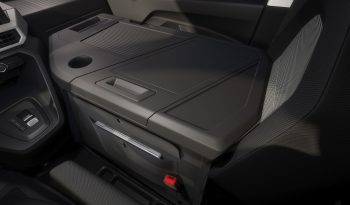
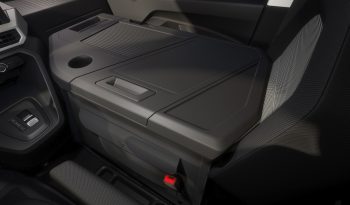
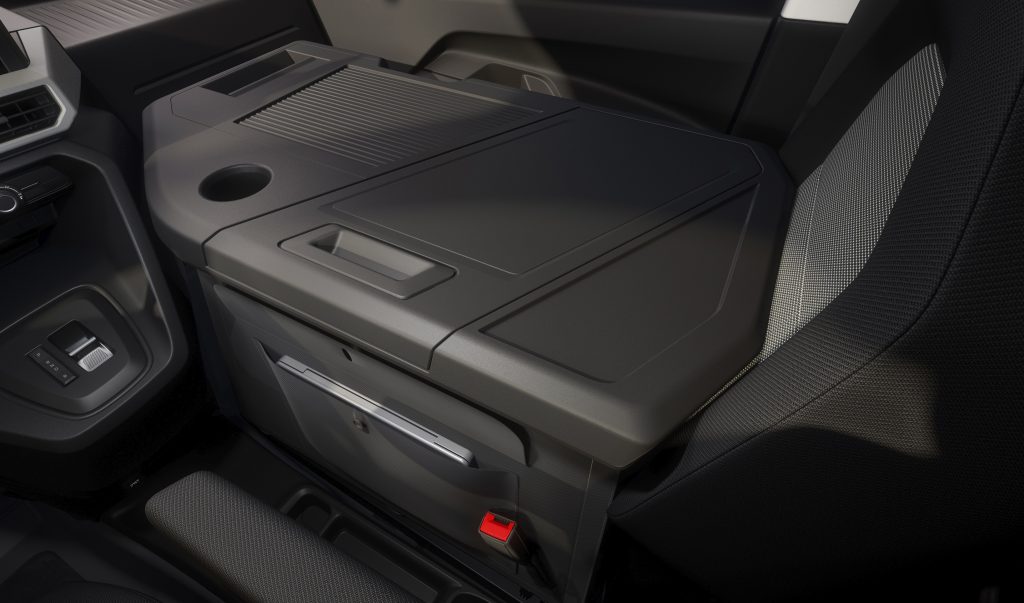
The strategic innovation for 2026 is the Partner Active. Peugeot is positioning it as a more affordable entry-level version and is studying the real-world needs of professionals who typically travel alone: the brand states that 40% are not interested in three front seats and spend 90% of their working time without a partner. This led to the development of the Flexiseat, a passenger seat whose cushion folds vertically to free up an additional 0,5 m³ of space , complemented by solutions such as Modutable, Moduconsole, Drivedrawer, Moduwork, and a 220V socket.
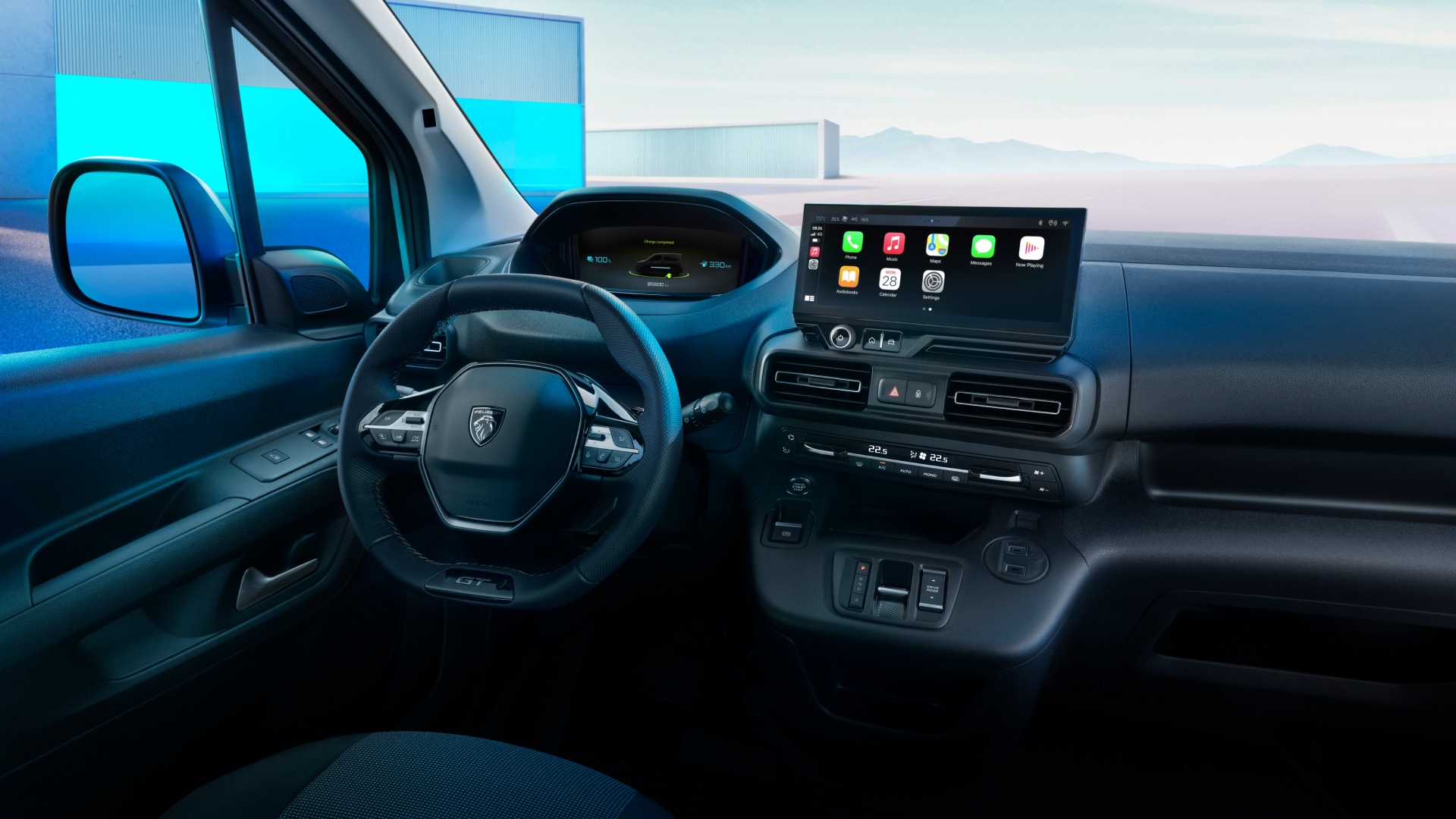
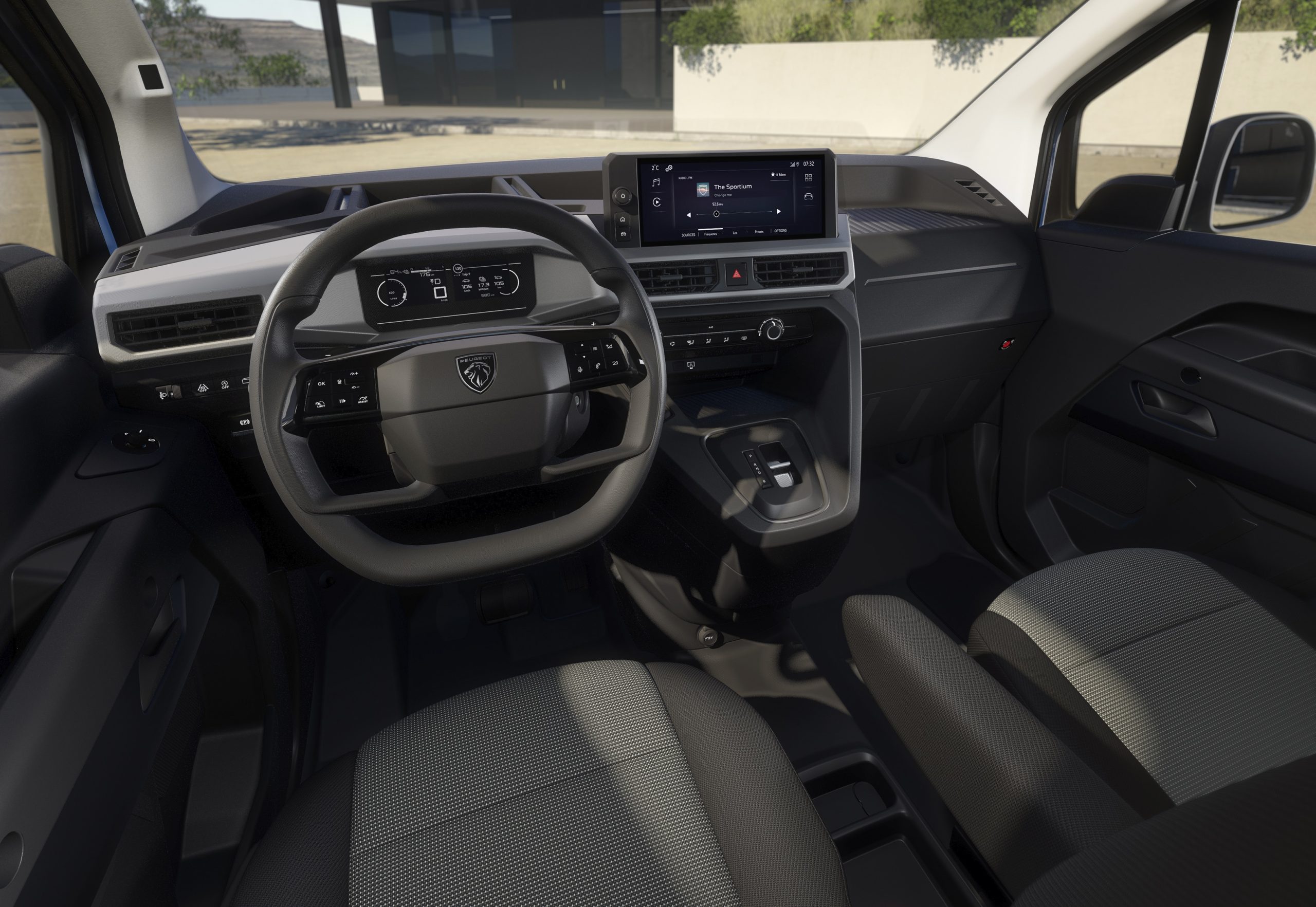
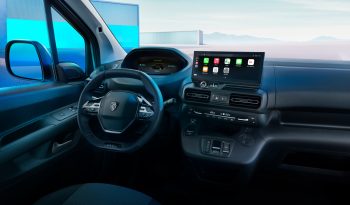
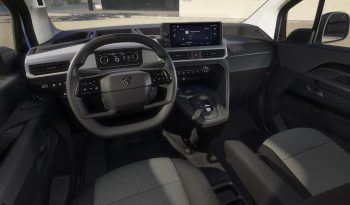
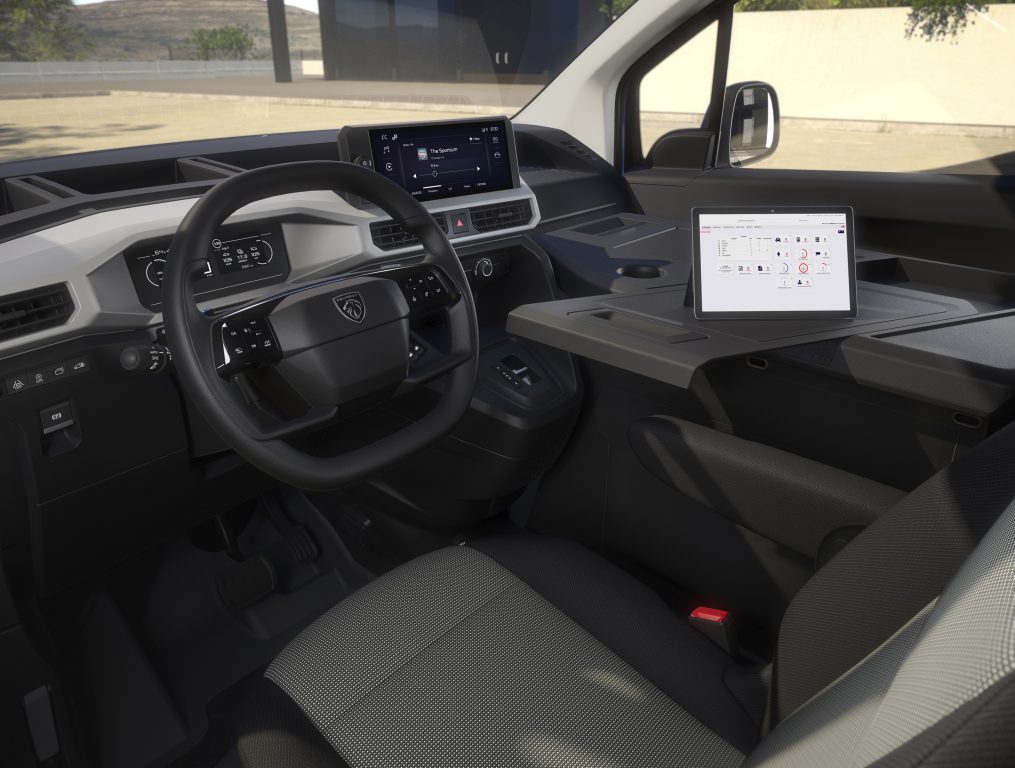
This new interior doesn't transform the cab into a design studio, but it does make it more functional. The dashboard and door panels have been redesigned, there are more enclosed storage spaces, and the driver's seat can now be equipped with a Smartphone Station, a 10-inch screen, a digital instrument cluster, connected navigation, cameras, and driver assistance systems. In a vehicle that can accumulate eight or ten hours of driving time, keeping your phone, laptop, delivery notes, and small tools organized is also a sign of productivity.
On the road, it retains the familiar feel of the EMP2 platform: light steering, a tight turning radius, precise front axle, and a robust rear suspension, more focused on supporting weight than replicating the refinement of a passenger car. Empty, it can feel harsh at the rear; loaded, it gains composure. The small steering wheel of the Peugeot i-Cockpit contributes to agility, although it's essential to check before buying that the high-mounted instrument panel is easily visible for the driver's height and posture.
Its main limitation isn't volume, but the urban environment. The C label remains valid for a huge portion of professional work, but it offers less regulatory leeway than an ECO or ZERO emissions alternative. The combustion-engine Partner continues to make a lot of sense for high mileage, varied routes, frequent charging, and companies without their own charging facilities ; for strictly urban deliveries and daily returns to base, the E-Partner deserves separate consideration and analysis.
Model type: Professional compact van · Fuel: Petrol and diesel · DGT label: C · Engines: PureTech 110, BlueHDi 100 and BlueHDi 130 · Transmission: 6-speed manual and EAT8 automatic depending on the version · Body styles: Standard, Long and Double Cab · Seats: 2 or 3; up to 5 in Double Cab · Length: 4.401-4.751 mm · Volume: 3,3-4,4 m³ · Maximum load length: 3.090-3.440 mm · Technical payload: Up to 841 kg in the full Spanish version; up to 1.000 kg in the range version · WLTP consumption: 5,2-7,6 l/100 km · New for 2026: Partner Active with Flexiseat and reorganized cab.
Highlight
The Partner works because its strengths combine: compact exterior dimensions, rectangular cargo bed, side access, extended load capacity versions, and a powertrain lineup still adapted to unpredictable work. No single figure explains as much as the whole.
| Strong point | Valuation |
| Size/capacity ratio | The Standard measures 4,40 m and offers 3,3 m³; with MultiFlex it reaches 3,8 m³ without jumping to the middle segment. |
| Long really useful | The 4,75 m exterior dimensions allow for 2.167 mm of floor space behind the partition and up to 3.440 mm with through load. |
| usable box | 1.229 mm between wheel arches, up to 1.733 mm of interior width and almost vertical walls. |
| Increased load | The Standard 1.000 kg versions reach 832-841 kg usable in the Peugeot table, after the reference driver. |
| Professional access | Sliding side door, asymmetrical swing rear doors and a threshold that can be around 55-60 cm. |
| Two or three seats in front | The MultiFlex bench seat allows you to transport a third occupant and convert the side seat into a cargo extension. |
| Double cabin | Up to five seats for work teams, maintaining an independent rear area and 677 kg usable in BlueHDi 100. |
| BlueHDi 100 rational | Official fuel consumption figures from 5,2 l/100 km and good range for deliveries, services and intercity routes. |
| BlueHDi 130 and EAT8 | More margin with load and an automatic transmission that is especially valuable in traffic, delivery and long days. |
| Partner Active | Flexiseat adds 0,5 m³ and the new cabin organization prioritizes the professional who drives alone. |
| Useful technology | 10-inch screens, wireless connectivity, Dynamic Surround Vision, blind spot and ADAS depending on configuration. |
| Manufactured in Galicia | The Partner is produced in Stellantis' industrial environment in Vigo, with extensive experience in compact commercial vehicles. |
Its greatest strength becomes apparent when the workday changes. It can make deliveries in the morning, transport long loads later, and return via the highway without any of those tasks requiring a larger vehicle. This versatility is the reason why the Partner remains difficult to replace.
To improve
The same wide range that makes it easy to choose the right one also makes it easy to make a mistake. Two visually similar Partner models can differ by more than 300 kg in payload, gearbox, maximum authorized mass, seating capacity, or a crucial load length.
| Area for improvement | Comment |
| Without ECO label | Current gasoline and diesel vehicles carry a C label. The announced mild hybrid will not arrive before 2027. |
| Highly variable payload | The complete matrix ranges from 499 to 841 kg; doors, seats, linings and packages reduce margin. |
| Document B2 pending | Peugeot leaves some 600 kg combinations and the Long EAT8 without a definitive mass in its February 2026 specification sheet. |
| PureTech 110 specific | It makes sense with low mileage and light load, but it loses logic in intensive use compared to the BlueHDi. |
| BlueHDi 100 just charged | It performs well in the city and on flat terrain; with 800 kg, a trailer or a slope requires more anticipation. |
| i-Cockpit not universal | The small steering wheel and the high instrument panel should be tested: not all heights see the instrumentation the same way. |
| rear visibility | In a closed van, it depends on rearview mirrors and cameras; Dynamic Surround Vision is highly recommended. |
| Equipment by packs | Navigation, HD camera, climate control, Grip Control, 220V or extended assistance features are not common to the entire range. |
| Longer, less urban | The extra 350 mm is appreciated inside, but it increases the wheelbase and overhang in parking lots and on ramps. |
| Double Cab air-conditioned | Five seats reduce the box and available cargo space; it does not replace a pure van if volume is the priority. |
| Active manual only | The new entry-level version announces the three internal combustion engines with manual transmission; those who want EAT8 should look at another configuration. |
| Trading highs | The “4,4 m³” and “1.000 kg” do not necessarily have to coincide in the same unit or with the chosen equipment. |
The biggest risk is buying based on the engine name or the price. Before finalizing the deal, you should demand the version code, the maximum authorized mass (MMA), the tare weight, the payload with driver, the number of doors, the actual length, and the final weight after any modifications.
Simplified technical specifications of the Peugeot Partner combustion engine
The range is best understood by separating four decisions: Standard or Long, panel van or Double Cab, normal or increased load capacity, and manual or automatic engine. The trim level comes later.
| Concept | Main data |
| Main homologation | Light commercial vehicle N1 / professional van |
| Fuel Efficiency: | Gasoline and diesel |
| Heat engines | 1.2 PureTech 110; 1.5 BlueHDi 100; 1.5 BlueHDi 130 |
| power and torque | 110 HP and approx. 205Nm; 100 HP and 250 Nm; 130 HP and 300 Nm |
| Exchanges | 6-speed manual; EAT8 automatic in BlueHDi 130 compatible |
| Traction | Forward |
| DGT Label | C across the entire current thermal range |
| Bodyworks | Standard, Long and Double Cabin Long |
| Plazas | 2 or 3 in front; up to 5 in Double Cab |
| outer length | 4.401 / 4.751 mm |
| Battle | 2.785 / 2.975 mm |
| Width without/with mirrors | 1.848 / 2.107 mm |
| Volume behind partition | 3,3 / 3,9 m³ |
| Volume with MultiFlex | 3,8 / 4,4 m³ |
| Floor length | 1.817 / 2.167 mm |
| Maximum through length | 3.090 / 3.440 mm |
| Width between wheel arches | 1.229 mm |
| Reference useful height | 1.200 mm; dimensional sheet up to 1.270 mm depending on dimension/configuration |
| Full official payload | 499-841 kg in refrigerated vans with closed mass; 677 kg Double Cab |
| commercial payload range | Up to 1.000 kg depending on version and engine |
| WLTP consumption | 5,2-7,6 l / 100 km |
| WLTP emissions | 136-171 g / km |
| New 2026 | Partner Active with Flexiseat, new dashboard and mobile office solutions |
| Anticipated evolution | Mild hybrid powertrain planned for 2027 |
Peugeot's payload figure already takes into account a 75 kg driver ; therefore, it doesn't exactly match the simple subtraction between maximum authorized mass (MMA) and unladen weight. This is the figure that should be used to determine how much material remains legally available before adding passengers, accessories, or bodywork.
Extended technical specifications of the Peugeot Partner combustion engine
Peugeot labels its February 2026 document as pending final data for the B2 model year. The document includes all announced combinations, but distinguishes between fixed figures and those that the brand itself has yet to finalize. It's preferable to show this difference rather than filling gaps with a figure from another trim level.
Standard Van Versions 600 kg
| Concept | Gasolina 110 | Blue HDi 100 | Blue HDi 130 |
| Motor | 1.2 Pure Tech 110 | 1.5 Blue HDi 100 | 1.5 Blue HDi 130 |
| Change | manual 6v | manual 6v | manual 6v |
| CO₂ base | 148 g / km | 140 g / km | 154 g / km |
| CO₂ min./max. | 142-171 g / km | 136-161 g / km | 141-171 g / km |
| Base consumption | 6,36 l / 100 km | 5,27 l / 100 km | 5,79 l / 100 km |
| Min./max. consumption | 6,3-7,6 l / 100 km | 5,2-6,1 l / 100 km | 5,4-6,5 l / 100 km |
| Tara | Pending MY B2 | 1.446 kg | Pending MY B2 |
| MMA | Pending MY B2 | 2.020 kg | Pending MY B2 |
| Useful load | Pending MY B2 | 499 kg | Pending MY B2 |
| Displacement | 1.199 cc | 1.499 cc | 1.499 cc |
The Standard 600 kg is the entry point in terms of capacity, not necessarily power. The BlueHDi 100 combination offered by Peugeot leaves 499 kg for cargo space behind the driver; shelving, a second door, and fixed tools can consume a significant portion of that margin.
Standard Van Versions 1.000 kg
| Concept | Blue HDi 100 | BlueHDi 130 M6 | BlueHDi 130 EAT8 |
| Motor | 1.5 Blue HDi 100 | 1.5 Blue HDi 130 | 1.5 Blue HDi 130 |
| Change | manual 6v | manual 6v | EAT8 |
| CO₂ base | 140 g / km | 154 g / km | 150 g / km |
| CO₂ min./max. | 136-161 g / km | 141-171 g / km | 143-171 g / km |
| Base consumption | 5,27 l / 100 km | 5,79 l / 100 km | 5,64 l / 100 km |
| Min./max. consumption | 5,2-6,1 l / 100 km | 5,4-6,5 l / 100 km | 5,4-6,5 l / 100 km |
| Tara | 1.463 kg | 1.454 kg | 1.476 kg |
| MMA | 2.370 kg | 2.370 kg | 2.385 kg |
| Useful load | 832 kg | 841 kg | 834 kg |
| Displacement | 1.499 cc | 1.499 cc | 1.499 cc |
This is the family that best expresses the Partner's capabilities. The manual BlueHDi 130 reaches 841 kg, while the EAT8 is only seven kilos lighter. For those who work with heavy loads, the 1.000 kg version matters more than choosing between a screen or upholstery.
Van Long versions 1.000 kg
| Concept | Blue HDi 100 | BlueHDi 130 M6 | BlueHDi 130 EAT8 |
| Motor | 1.5 Blue HDi 100 | 1.5 Blue HDi 130 | 1.5 Blue HDi 130 |
| Change | manual 6v | manual 6v | EAT8 |
| CO₂ base | 140 g / km | 154 g / km | Pending MY B2 |
| CO₂ min./max. | 136-161 g / km | 141-171 g / km | Pending MY B2 |
| Base consumption | 5,27 l / 100 km | 5,79 l / 100 km | Pending MY B2 |
| Min./max. consumption | 5,2-6,1 l / 100 km | 5,4-6,5 l / 100 km | Pending MY B2 |
| Tara | 1.516 kg | 1.523 kg | Pending MY B2 |
| MMA | 2.380 kg | 2.380 kg | Pending MY B2 |
| Useful load | 789 kg | 782 kg | Pending MY B2 |
| Displacement | 1.499 cc | 1.499 cc | 1.499 cc |
The Long version trades some of its weight margin for length. Even so, the official 782-789 kg figures are quite substantial for a van offering 2.167 mm of cargo space behind the bulkhead and 3.440 mm with a through load. The EAT8 transmission is available, but Peugeot did not specify its B2 values in the document consulted.
Double cabin
| Concept | Partner Double Cab BlueHDi 100 |
| Motor | 1.5 Blue HDi 100 |
| Change | manual 6v |
| Plazas | Up to 5 |
| CO₂ base | 140 g / km |
| CO₂ min./max. | 136-161 g / km |
| Base consumption | 5,27 l / 100 km |
| Min./max. consumption | 5,2-6,1 l / 100 km |
| Tara | 1.598 kg |
| MMA | 2.350 kg |
| Useful load | 677 kg |
| Displacement | 1.499 cc |
The Double Cab shouldn't be measured solely by its cargo volume. Its purpose is to transport a crew while maintaining a separate space for tools or equipment. When the job regularly requires five people, it can reduce operating costs even if the cargo bed is smaller than that of a Long Van.
outside dimensions
| Cota | Standard | Long |
| Total length | 4.401 mm | 4.751 mm |
| Width without rearview mirrors | 1.848 mm | 1.848 mm |
| Width with mirrors folded | 1.921 mm | 1.921 mm |
| Width with mirrors extended | 2.107 mm | 2.107 mm |
| Height without Worksite Pack | 1.796-1.825 mm | 1.812-1.820 mm |
| Height with Worksite Pack | 1.840-1.860 mm | 1.849-1.860 mm |
| Wheelbase | 2.785 mm | 2.975 mm |
| Front overhang | 890 mm | 890 mm |
| rear overhang | 726 mm | 886 mm |
| front track | 1.548-1.563 mm | 1.548-1.563 mm |
| back track | 1.568-1.579 mm | 1.549-1.568 mm |
| ground clearance | 145-182 mm according to MMA/Worksite | 160-175 mm according to Worksite |
| Turn between sidewalks/walls | 10,8 / 11,3 m | 11,4 / 11,9 m |
The Long version doesn't just grow at the rear. It adds 190 mm to the wheelbase and 160 mm to the rear overhang, improving cargo space but also changing handling and how it climbs inclines. In busy city driving, the Standard remains the easiest Partner; for longer vehicles, the extra 350 mm pays for itself from the very first use, as it doesn't require leaving a door open.
Interior cargo dimensions
| Useful dimension | Standard | Long |
| Floor length behind partition | 1.817 mm | 2.167 mm |
| Length at 800 mm height | 1.525 mm | 1.875 mm |
| Maximum length with MultiFlex | 3.090 mm | 3.440 mm |
| Width between wheel arches | 1.229 mm | 1.229 mm |
| Interior width without side door | 1.733 mm | 1.733 mm |
| Width with a side door | 1.630 mm | 1.630 mm |
| Width with two side doors | 1.527 mm | 1.527 mm |
| Useful height | 1.200 mm reference; up to 1.270 mm depending on the dimension | 1.200 mm reference; up to 1.270 mm depending on the dimension |
| Standard volume | 3,3 m³ | 3,9 m³ |
| Volume with MultiFlex | 3,8 m³ | 4,4 m³ |
The 1.229 mm between wheel arches allows for the placement of Euro pallets and utilizes a much more square base than that of a passenger car. The maximum width changes with the number of side doors, a detail that matters when designing shelving or a conversion : gaining access also reduces usable wall space.
Openings and loading height
| Access | Standard | Long |
| Maximum rear width at sill | 1.241 mm | 1.241 mm |
| Rear width at mid-height | 1.087 mm | 1.087 mm |
| Rear opening height | 1.196 mm | 1.196 mm |
| Usable width of side door | 641-759 mm depending on configuration | 641-759 mm depending on configuration |
| Side door height | 1.072 mm | 1.072 mm |
| Opening distance to partition | 625 mm | 625 mm |
| Threshold without Worksite | 547-601 mm | 560-604 mm |
| Threshold with Worksite | 588-625 mm | 569-617 mm |
A large box is of little use if the opening forces you to twist each package. The Partner offers 1.241 mm of clearance at the bottom of the rear doors and a sliding door over a meter high; the Worksite Pack improves protection and traction, but raises the loading sill and compromises ergonomics when loading dozens of packages a day.
Architecture, chassis and operation
| Element | Specification and implication |
| Consumer Relations Platform | EMP2 multi-energy shared with Berlingo Van, Combo Cargo, Doblò and Proace City |
| Gasoline engine | 1.2 turbo, three cylinders, direct injection, Stop & Start |
| Diesel engine | 1.5 BlueHDi, four cylinders, turbo, SCR and AdBlue |
| Traction | Front in the entire thermal range |
| Front suspension | Pseudo-MacPherson |
| Rear suspension | Flexible bar crossbar |
| Truck Brake Repair | Ventilated discs at the front and discs at the rear |
| Address | Electric power assistance; i-Cockpit compact steering wheel |
| Worksite Pack | Engine underbody protection, M+S tires, Grip Control, electric brake and spare wheel |
| Dangel predisposition | Available as an option for 4x4 conversion in Long EAT8 according to Peugeot matrix |
| Bodywork | Standard right-hand door; double sliding, glazing, standard or swing gate depending on option |
The chassis isn't designed for sporty handling, but rather to maintain control with a massive front end. The same body can be almost empty or loaded with over 800 kg, and its behavior changes accordingly. With weight, the rear suspension works in its natural range and the Partner feels planted; without it, it transmits more of the bumps and short potholes.
engine range
Choosing the right engine for the Partner isn't about deciding how fast you want to go, but rather how heavy the load is for the day. The cargo space can be filled with light parcels or heavy tools, and two visually identical boxes can require very different levels of effort.
| Version | Fuel Efficiency: | Power/Torque | Change | WLTP consumption | Recommended use |
| PureTech 110 | Petrol | 110 hp / approx. 205 Nm | manual 6v | 6,3-7,6 l / 100 km | Low mileage, light load, and short trips |
| Blue HDi 100 | Diesel | 100 HP / 250 Nm | manual 6v | 5,2-6,1 l / 100 km | Delivery, services, fleet and cost per kilometer |
| Blue HDi 130 | Diesel | 130 HP / 300 Nm | manual 6v | 5,4-6,5 l / 100 km | Frequent loading, road and slopes |
| BlueHDi 130 EAT8 | Diesel | 130 HP / 300 Nm | automatic 8v | 5,4-6,5 l / 100 km | Traffic, intensive delivery, and long working hours |
The PureTech 110 occupies a specific niche. It can be a reasonable option for a company that travels few kilometers, transports light loads, and uses the van intermittently. Its official fuel consumption starts at 6,3 l/100 km, but consumption increases more than with diesel engines when weight or speed increases. It's not the core engine in the commercial range; it's the alternative for those who wouldn't recoup the cost of a BlueHDi.

The BlueHDi 100 is the sensible choice. Its 250 Nm of torque are available at low revs, fuel consumption starts at 5,2 l/100 km, and it's available in both the 600 kg payload and extended load versions. In a standard vehicle with normal use, it offers the best balance between affordability, fuel consumption, and performance. With the gearbox near its maximum capacity, wind, or mountain passes, it requires more frequent gear changes and maintaining a safe overtaking distance.
The manual BlueHDi 130 is the Partner that best distinguishes between "sufficient" and "more than enough." The additional 30 hp and 50 Nm not only reduce acceleration times; they allow for smoother acceleration, more precise power delivery, and the ability to handle a fully loaded vehicle without relying on finding the perfect parking space for every turn. Furthermore, in the Standard configuration with increased load capacity, it boasts the highest payload capacity ever offered by Peugeot: 841 kg.
The EAT8 makes a bigger difference to your driving experience than its power output. The torque converter smooths out maneuvers, eliminates hundreds of clutch engagements during deliveries, and keeps the engine within its optimal operating range. In the standard fuel consumption figures, it barely loses any power compared to the manual and boasts a slightly lower base fuel consumption, although real-world results will depend on traffic and load. For those who drive eight hours a day, the automatic transmission can be a valuable tool for preventing fatigue.
The Partner Active, as advertised at launch, combines a 110 hp gasoline engine and a 100/130 hp diesel engine exclusively with a manual transmission. This isn't a new engine range, but rather a way to reduce costs and reorganize the cabin. Those wanting the new Active configuration with the EAT8 automatic transmission will have to wait for Peugeot to expand the range or opt for a Partner from the standard lineup.
The mild hybrid technology planned for 2027 may be important for emissions and urban use, but it shouldn't yet be the deciding factor in a purchase decision made in 2026. Power output, fuel consumption, payload, price, final emissions standard, and Spanish configuration are still pending. Until then, the real choice between gasoline and BlueHDi engines remains.
Cabin and capacity
The Partner doesn't win a day by having the most eye-catching dashboard, but because the cab and cargo area no longer get in each other's way. The elevated driving position makes it easier to read the road, the surfaces are hard but durable, and there are storage compartments designed for work tools, not just for a phone and two bottles.
The Peugeot i-Cockpit uses a small steering wheel and instruments positioned above it. It provides a feeling of agility unusual in a van and allows for less hand movement during maneuvers, but its ergonomics aren't universally appealing. It's best to sit in boots, a jacket, and a working posture, adjust the steering wheel and seat, and check that the steering wheel rim doesn't obstruct the lower part of the instrument panel.
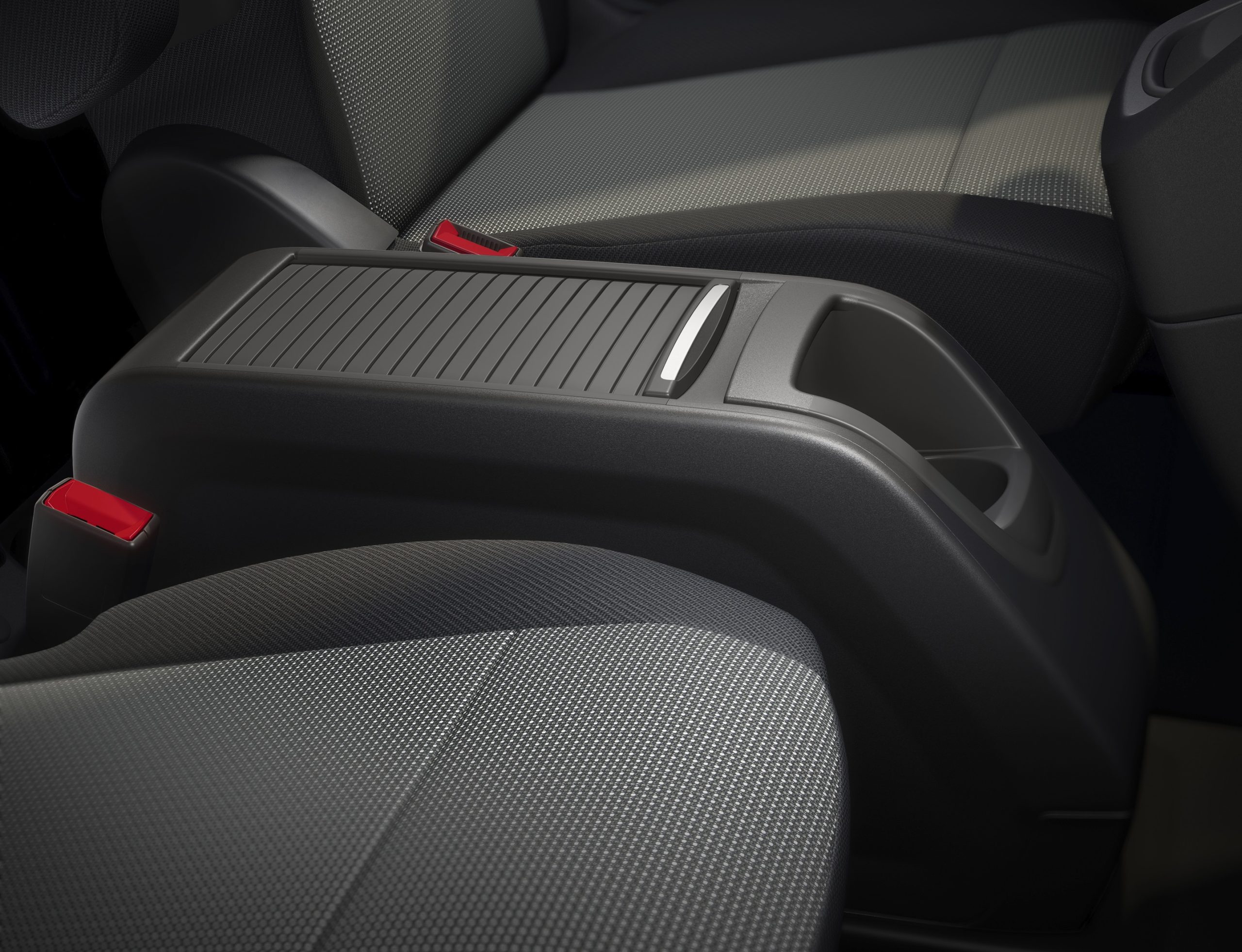
The basic configuration offers two front seats. In compatible Partner models, the MultiFlex bench seat adds a third seat and converts the center section into a table, while the side seat folds down and opens a hatch in the bulkhead. This solution increases the cargo volume by 0,5 m³ and extends the usable length to 3.090 mm in the Standard version or 3.440 mm in the Long version. It doesn't replace a longer cargo box for heavy items, but it does eliminate the need to travel with the doors open.
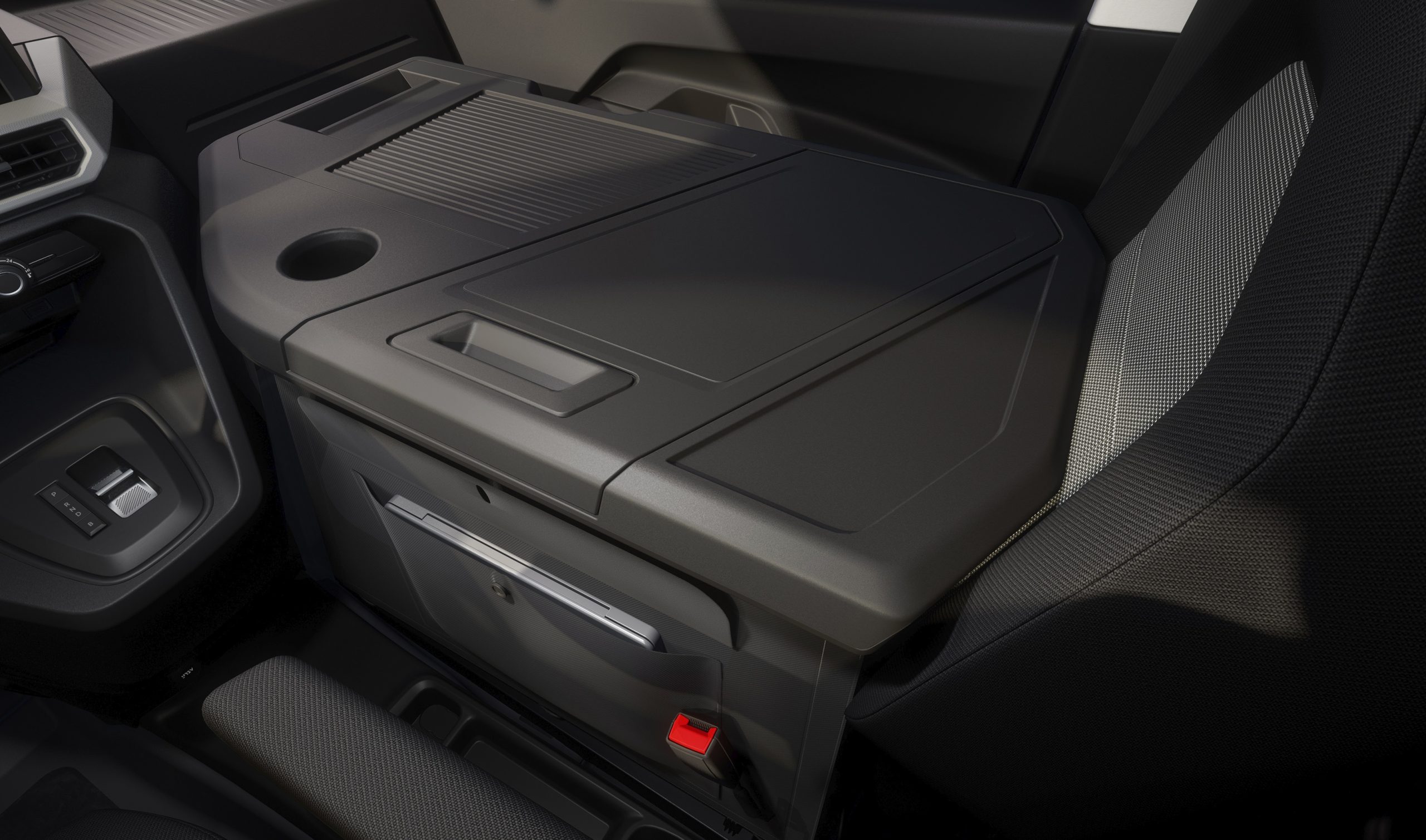
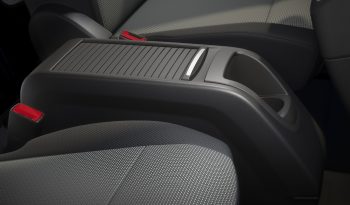
The new Active takes a different approach to the same problem. The Flexiseat folds the passenger cushion vertically to free up half a cubic meter of space , and the Modutable adds a sliding tabletop that can function as a desk or table. When not needed, it stores in a bag attached to the cargo area, so it doesn't permanently take up the space it's meant to organize.
Around it appear small but well-designed solutions: Moduconsole, a removable console with cupholders and a closed compartment; Dashbox, with two closed storage compartments in the dashboard; Drivedrawer under the driver's seat for a laptop or tablet; Moduwork, serving as a third seat, table, and loading bay; and a 220V socket for powering devices. The cabin doesn't become an office, but it's no longer a place where everything ends up loose on the seat.
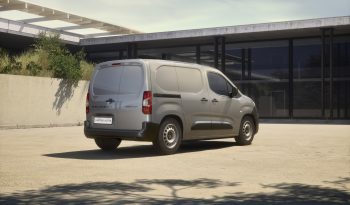
In the rear, shape matters more than volume. There's 1.817 mm of floor space in the Standard version and 2.167 mm in the Long version, 1.229 mm between the wheel arches, and a maximum width of up to 1.733 mm. The side door is over a meter high, and the rear doors reach 1.196 mm, so a cubic load makes better use of the available space than in an SUV or station wagon with a sloping tailgate.
The Standard is the best tool for deliveries, assistance, and urban work. The Long makes sense when length dictates the service, not just because "more fits." It increases the wheelbase, maintains a volume of up to 4,4 m³ with MultiFlex, and provides a box where profiles, pipes, long packages, or entire shelving units can be stored with fewer compromises.
The Double Cab offers a different experience. It carries up to five occupants and features a partition behind the second row, allowing it to transport a crew without mixing tools with passengers. It sacrifices length and volume, but gains operational capacity for maintenance, light construction, roadside assistance, landscaping, municipal services, or companies working in small teams.
| Main elevation | Standard | Long |
| outer length | 4.401 mm | 4.751 mm |
| Van seats | 2 or 3 | 2 or 3 |
| Double Cabin Seats | Not main | Up to 5 |
| Standard volume | 3,3 m³ | 3,9 m³ |
| Volume with MultiFlex | 3,8 m³ | 4,4 m³ |
| Length behind partition | 1.817 mm | 2.167 mm |
| Maximum through length | 3.090 mm | 3.440 mm |
| Width between steps | 1.229 mm | 1.229 mm |
| Highest full payload | 841 kg in Standard CA | 789 kg BlueHDi 100 / 782 kg BlueHDi 130 |
Before installing shelving, flooring, drawers, refrigeration, or a mobile workshop, it's advisable to weigh the finished project. The vehicle body might have ample physical space but still exceed its legal payload; volume sells the vehicle, but weight determines its revenue.
Equipment
The Partner's equipment should be viewed as a framework, not a single trim level. Peugeot combines standard equipment, individual options, and packages that vary depending on the van, double cab, engine, and transmission. The right configuration isn't the one with the most features, but the one that saves time, hassles, and fatigue from the day.
The base model already includes Smartphone Station, eCall services, ESP with hill start assist, tire pressure monitoring, six tie-down rings in the cargo area, air conditioning, an electric parking brake, a bulkhead, and rear parking sensors. From May 2025, the combustion engine range will incorporate EcoLED headlights, according to the Spanish manufacturer.
The Smartphone Station uses your mobile phone as the central hub for navigation, calls, radio, and content via the MyPeugeot app and steering wheel controls. Above this are a 10-inch radio, the All-in-One system with wireless mirroring, and the IVI High system with connected navigation , a color digital instrument cluster, 4G telematics services, and remote updates.
In terms of safety, the Safety Pack includes active lane keeping assist, automatic emergency braking, automatic headlight activation and switching, speed limit recognition, and advanced driver drowsiness alert. EAT8 versions can add Drive Assist with integrated lane keeping assist, adaptive cruise control with stop & go, enhanced traffic sign recognition, a heated steering wheel, and a 10-inch digital instrument cluster.
| Area | Content | Professional value |
| Multimedia base | Smartphone Station, voice control, steering wheel controls, 2 USB ports and 2 speakers | Simple and sufficient if the mobile phone is already a work tool |
| AIO 10” | 10” screen, wireless mirroring, Bluetooth and USB-C | Improved navigation, camera, and everyday handling |
| IVI High | 10” HD screen and digital instrument cluster, connected navigation, 4G OTA | Recommended for routes and fleets with intensive use |
| Safety Pack | LKA, AEB, automatic lights, signals and fatigue | Essential, not ornamental, equipment |
| Drive Assist EAT8 | ACC stop&go, HIA, extended signals, heated steering wheel | Very useful in traffic and on the highway; compatible versions only |
| MultiFlex | 2-seater bench, central table, retractable side seat | Three seats and long load capacity without increasing body size |
| Surround Rear Vision | HD camera and rear/side view; blind spot depending on the package | One of the most cost-effective options in a closed van |
| Pack Cargo | 220V, reinforced lighting, 12V and rings | Installers, night delivery and mobile workshop |
| Worksite Pack | Engine protection, M+S, Grip Control, spare wheel | Construction, roads, properties and low-adhesion surfaces |
| Comfort Connect | Folding mirrors, fog lights, TPO, insulation, IVI High, cameras | Driver who spends many hours inside |
| Clim Access & Go | Hands-free access, Qi, dual zone and electric parking brake | Convenient delivery with constant incoming and outgoing traffic |
| Techno Double Cabin | Rearview camera, 10" AIO, automatic climate control and visibility | It compensates for the reduced visibility of the mixed body style. |
| Coatings | Wood or polypropylene for the floor and sides | They protect the box, but reduce payload. |
| Doors | Right sliding door; double sliding door; standard swing doors or gate | Choose by access, shelving wall, and loading environment |
| Active 2026 | Flexiseat, new dashboard; Modutable, Moduconsole, Drivedrawer, Moduwork | Rational access for professionals who usually drive alone |
Dynamic Surround Vision deserves priority over aesthetics. A closed van loses its rearview mirror and obscures angles that in a car are controlled by simply turning your head. Better visibility reduces parking mishaps, repeated maneuvers, and time wasted when exiting a doorway or loading dock.
It's also important to avoid retrofitting vehicles based on inertia. Two side doors facilitate deliveries from both sides of the road, but reduce the interior wall space available for shelving; a full bed liner protects the cargo area, but adds weight; the Worksite Pack improves traction, but raises the loading sill. In the Partner, almost every upgrade has a physical counterpart that must be factored into the load calculation.
Professional services
The Partner is a base, not a finished product for every trade. Peugeot presents it for last-mile delivery, cold chain, construction, heavy-duty use, and mobile workshops, and the right choice starts before selecting the engine: you have to define the load, route, number of doors, number of people, furniture, and acceptable downtime.
For urban deliveries, the Standard model, low threshold, camera, hands-free access, and suitable side door are crucial. For refrigerated or insulated vehicles, the priority shifts to the added weight of the insulation, the refrigeration unit, and the electrical system. For construction, the Worksite Pack, protected flooring, and a spare wheel can be more valuable than a screen. For mobile workshops, shelving, lighting, a 220V outlet, and easy access to each tool determine productivity.

The Peugeot chassis includes a body shop connection, electrical reinforcement, wood or polypropylene lining, double side doors, windows, tailgate, Cargo Pack, and preparation for Dangel 4x4 conversion to Long EAT8. Not all options are compatible with each other, and a completed conversion must maintain axle weights, ventilation, fixings, and homologation.
The Spanish sales website integrates Connect Fleet into its current leasing formula, and Peugeot promotes connected and fleet management services for its sales representatives. Their actual usefulness depends on the contract : mileage, maintenance, roadside assistance, tires, replacement vehicle, telematics data, and penalties should be compared as a total cost, not as a separate fee.
| Mission | Indicative configuration | Critical check |
| Last mile delivery | Standard 1.000 kg, camera, side door, hands-free access | Stops, threshold, bumps, and delivery time |
| Refrigerated/isothermal | Increased load, bodywork take-off and mass study | Insulation weight, refrigeration equipment and consumption |
| Construction/work | Worksite pack, M+S, lower protection and wheel | Loading height, dirt, roads and dense load |
| Mobile workshop | Long, shelving, reinforced lighting, 220 V | Weight distribution and tool access |
| Technical services | BlueHDi 100, Standard or Long depending on material | Cost per km and actual length of pieces |
| Crews | Five-seater double cab | Residual box, 677 kg usable space and occupant safety |
| Urban fleet | EAT8, ADAS, cameras and Connect Fleet | Fatigue, accident rate, data and maintenance |
| Rural use/slippery terrain | Worksite Pack; possible Dangel transformation | Do not confuse Grip Control with all-wheel drive |
| Bodywork | Bodywork kit, reinforcement and higher MMA version | Weigh the finished unit and certify it |
| Renting/Leasing | Contract with defined maintenance and services | Total cost, immobilization and actual mileage |
The purchase checklist must be physical. Bring the longest item, measure the pallet, calculate the fixed weight of the installation, add the driver and any passengers, check the door swing at the work site, and request the technical specifications for the exact unit. A well-configured Partner can replace a larger van; one chosen from a catalog may prove insufficient before you even begin.
Alternatives
The Partner competes in one of the most rational, yet most difficult, segments to compare. Four rivals share its platform and many of its dimensions; others offer different architectures, greater volume, better handling, different warranties, or electrified powertrains. A fair comparison is only valid if the vehicle's length, gross vehicle weight rating (GVWR), payload, number of doors, seating capacity, and equipment are all the same.
Rivals of the same Stellantis architecture
| Córdoba | Capacity | What it brings | What to check |
| Citroen Berlingo Van | M/XL; up to 4,4 m³ and 1.000 kg | Same base, engines and dimensions; Citroën approach and new entry-level version | Compare packages, availability, ergonomics and professional offer |
| Vauxhall Combo Cargo | Two lengths; 3,44 m and 4,4 m³; up to 1.000 kg | More conventional driving position and Opel range | Almost identical mechanics; the real difference lies in equipment and network |
| Fiat Doblo | Two lengths; up to 4,4 m³ and one ton | Magic Cargo and Fiat Professional approach | Review Spanish thermal range and closed equipment |
| Toyota Proace City | L1/L2; up to 4,4 m³ and 1.000 kg | Toyota Professional program, warranty and network | Same engineering; check engine, finish and service condition |
The Berlingo Van, Combo Cargo, Doblò, and Proace City cannot offer a clear structural advantage because they all share the same family. They differ in their front end, dashboard, upholstery, trim levels, warranty, promotional offers, and network support. Between identical models, a standard camera, a second door, or a maintenance contract is worth more than a minimal difference in fuel consumption.
The Partner stands out thanks to its i-Cockpit and, from 2026, the Active trim with Flexiseat and specific cabin solutions. Citroën typically offers a more comfortable feel, Opel more conventional ergonomics, Fiat a very direct focus on professionals, and Toyota the strength of its service program. Often, the best purchase will be the best-configured available unit, not necessarily the technically "winning" brand.
Rivals with their own architecture
| Córdoba | Capacity | What it brings | What to check |
| Renault Kangoo Van | L1/L2; up to 4,6 m³, 3,6 m load and 1.000 kg | Petrol, diesel and electric; dCi 95/115 engines, manual or EDC | More volume, longer length, and good range; compare side access, price, and actual load capacity. |
| Mercedes Benz Citan | 4,50-4,92 m; up to 3,62 m³ and 994 kg | Perceived quality, MBUX, network and Mixed versions | Lower maximum volume than Partner and higher price |
| Nissan Townstar Van | L1 3,3-3,9 m³; L2 up to 4,9 m³ | Gasoline or electric and Nissan warranty | Without diesel; L2 is larger and changes the comparison |
| Ford Transit Connect | Short 3,1 m³; long 3,7 m³; two euro pallets | Diesel and PHEV, good driving feel, up to 2.150 mm of ground clearance | Lower volume than Partner; PHEV changes cost and mass |
| Volkswagen Caddy Cargo | 3,1-3,7 m³; up to 723 kg | Combustion and PHEV, great ride quality and technology | Lower maximum load/volume; price and options |
The Renault Kangoo is the most cumbersome independent competitor. Its L2 version boasts 4,6 m³ of cargo space and a length of 3,6 meters with the rear seats folded down, offers a payload of up to one ton, and is available in gasoline, diesel, EDC, and electric powertrains. In contrast, the Partner offers a slightly more compact body in its Long version, a well-designed through-cargo system, and a Stellantis range that is readily available for fleets and conversions.
The Mercedes Citan uses the Renault platform with a more refined cabin, enhanced service features, and branding. It might be preferable for services where image, sound insulation, or the MBUX system are important, but it doesn't match the Partner's 4,4 m³ cargo space and typically requires a larger investment. The Townstar shares the Kangoo family, gains an L2 variant with up to 4,9 m³ of cargo space, and offers an attractive warranty, although it doesn't have a diesel option and its gasoline engine is less suitable for high-mileage vehicles.
The Transit Connect and Caddy Cargo share a different architecture and are the closest rivals to a passenger car in terms of feel, refinement, and driver assistance. Their PHEV variants open a path that the combustion-engine Partner doesn't yet cover, but both have a cargo volume of 3,7 m³ in the long-wheelbase version and lower maximum payloads. For those who do a lot of highway driving with a light load, they might be better companions; for those who need cargo space and weight, the Peugeot retains the advantage.
The Transit Courier, passenger Caddy, and commercial SUVs are not considered direct competitors because they operate on a different scale of size, volume, and cargo capacity. The Expert, Transit Custom, Transporter, and Trafic are also excluded: while they may overlap in price or length, they belong to the mid-range segment and represent a completely different business model.
Verdict
The Peugeot Partner combustion engine remains a hard act to follow when work doesn't fit in a passenger car and a medium-sized van isn't yet justified. At 4,40 meters long, it offers 3,3 m³ of cargo space, can carry over 800 kg of payload, and can accommodate objects up to 3,09 meters long; the Long version increases the cargo space to 4,4 m³ and the length to 3,44 meters, without exceeding 4,75 meters in length.
Its engine range is well-balanced. The PureTech 110 is suitable for low mileage and light loads; the BlueHDi 100 is the cost-effective option; the manual BlueHDi 130 is the most robust choice for heavy loads and long journeys; the EAT8 offers the best driver comfort in traffic and heavy deliveries. In practice, the Standard 1.000 kg BlueHDi 100 will be the ideal choice for many self-employed drivers , while the manual 130 is worth the extra cost when the transmission is working near its maximum capacity.
The body style must be chosen before the trim level. Standard for city driving and normal loads; Long for profiles, shelving, or pieces exceeding two meters; Double Cab for work crews. The new Active version is particularly appealing to solo drivers who want to convert the passenger seat into a storage compartment, table, and storage space, but its initial climate control options are exclusively manual.
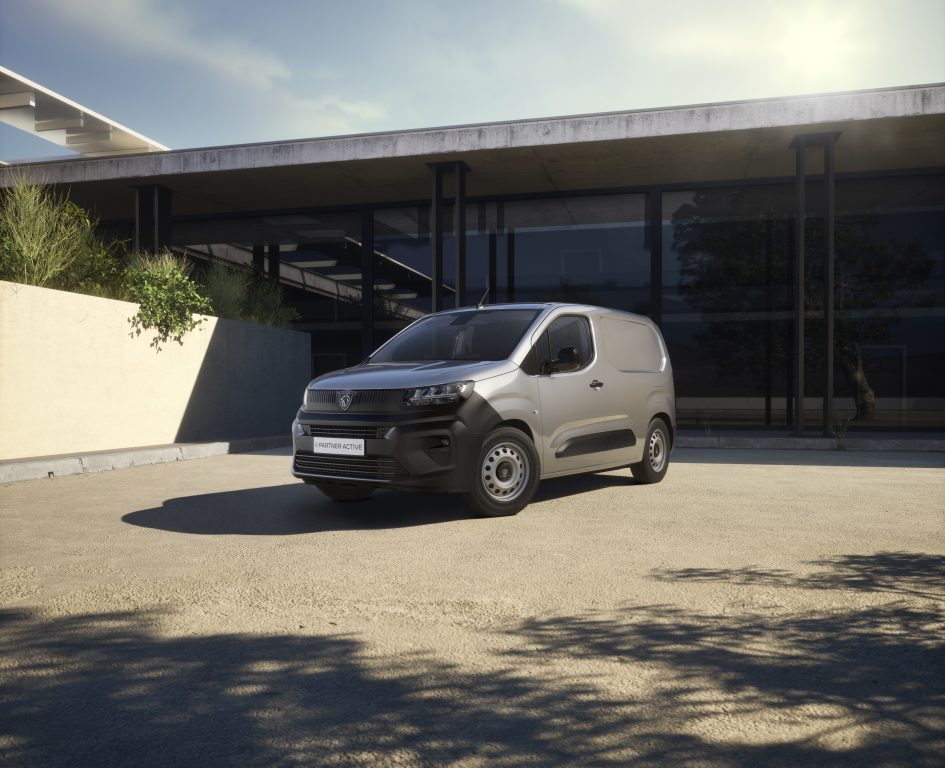
The most obvious limitation is the C label. While Ford and Volkswagen offer PHEVs and all manufacturers have electric alternatives, the combustion-engine Partner does not offer an intermediate ECO option in 2026. In return, it retains range, immediate refueling, and an adaptability that remains crucial when the route changes or the vehicle is not parked next to a charger.
It also requires more rigorous purchasing than a passenger car. The B2 vehicle registration document leaves some weights undefined, maximum commercial weights don't necessarily apply to the same version, and every door, floor, shelf, or refrigeration unit adds weight. The dealership must provide the exact specifications, and the converter must weigh the finished vehicle.
Chosen for its mission, the Partner is one of the most complete compact commercial vehicles on the market: it carries a lot for its small footprint, is easy to drive, and offers enough technology to make working inside feel like a chore. Its best version isn't the most powerful or the best-equipped, but rather the one that allows for daily revenue generation.
Highlight
- Size/capacity ratio. The Standard measures 4,40 m and offers 3,3 m³; with MultiFlex it reaches 3,8 m³ without jumping to the mid-range segment.
- BlueHDi 130 and EAT8. More margin with load and an automatic transmission that is especially valuable in traffic, delivery and long days.
- Professional access. Sliding side door, asymmetrical rear swing doors and a threshold that can be around 55-60 cm.
- Increased load. The Standard 1.000 kg versions reach 832-841 kg payload according to the Peugeot table, after the reference driver.
To improve
- No ECO label. Current gasoline and diesel vehicles have a C label. The announced mild hybrid will not arrive before 2027.
- Highly variable payload. The full matrix ranges from 499 to 841 kg; doors, seats, linings and packages reduce the margin.
- i-Cockpit not universal. The small steering wheel and high instrument panel should be tested: not all heights have the same view of the instruments.
- Commercial maximums. The “4,4 m³” and “1.000 kg” do not necessarily coincide in the same unit or with the chosen equipment.
Peugeot Partner prices in October 2026
| Version | Fuel Efficiency: | CV | Price * |
|---|---|---|---|
| Partner Van M 1.5 BlueHDi 100 3p S/S |  Diesel |
102 | 22.649 € |
| Partner Van M Increased Load 1.5 BlueHDi 100 3p S/S | Diesel |
102 | 22.999 € |
| Partner Van XL 1.5 BlueHDi 100 3p S/S | Diesel |
102 | 23.949 € |
| Partner Van M 1.5 BlueHDi 100 Pro Skill 3p S/S | Diesel |
102 | 24.949 € |
| Partner Van Double Cab XL 1.5 BlueHDi 100 3p S/S | Diesel |
102 | 25.549 € |
| Partner Van M 1.5 BlueHDi 130 3p S/S | Diesel |
130 | 23.649 € |
| Partner Van M Increased Load 1.5 BlueHDi 130 3p S/S | Diesel |
130 | 23.999 € |
| Partner Van XL 1.5 BlueHDi 130 3p S/S | Diesel |
130 | 24.949 € |
| Partner Van M Increased Load 1.5 BlueHDi 130 3p S/S EAT8 | Diesel |
130 | 25.399 € |
| Partner Van XL 1.5 BlueHDi 130 3p S/S EAT8 | Diesel |
130 | 26.349 € |
Peugeot Partner News


