
Buying an electric van in Spain in 2026 is becoming less and less like buying a diesel. The technical specifications are filled with new acronyms—WLTP, usable kWh, DC curve, C-rate—and most salespeople, let's be honest, just throw out the big headline (the range) and forget about the rest. And it's precisely the rest that determines whether that van is suitable for your route or if it's going to cause you problems.
This guide goes field by field. No fluff.
Why does the technical data sheet of an electric van read differently?
With a diesel, you look at engine displacement, torque, official fuel consumption figures, and tank capacity. Four numbers and you're good to go. With electric vehicles, things get more complicated because the vehicle's performance depends on the weather, the load you're carrying, the battery temperature, and the availability of charging infrastructure nearby. The technical specifications for an electric van need to be read as a whole: a single piece of data doesn't tell you much.
WLTP autonomy: what it is and what margin to apply in real life
The WLTP range of an electric van is the range certified by the manufacturer under the Worldwide Harmonised Light Vehicles Test Procedure. It is measured in a laboratory, using mixed city-highway driving cycles, at a controlled temperature and without a load.
In practice, for heavy professional use with air conditioning, apply these settings:
- Mild summer (15-25 ºC): subtract 10-15% from WLTP.
- Cold winter (0-5 ºC): subtract 25-35%.
- Motorway sustained at 110-120 km/hIt can go up to 40%.
If the manufacturer promises 330 km WLTP range, expect a real-world range of 220-240 km in winter with a full load. That's the number you should compare to your daily commute.
Mixed cycle vs urban cycle: when to consider each
Many drivers offer both figures. The WLTP City urban cycle is always more generous because it takes advantage of regenerative braking and low speeds. If your route is 100% city (last mile, courier services in the city center), that figure is sufficient. If you combine industrial parks and highway driving, stick with the mixed cycle and apply the penalty mentioned above.
Battery capacity: Gross kWh vs. Usable kWh
Another tricky area. A manufacturer might advertise 75 kWh gross but only deliver 68 kWh usable because they've set aside a buffer to protect the battery chemistry. In the light commercial world, the difference between gross and usable capacity is typically 6-10%.
When comparing two vans, ask for the usable kWh figure (or "usable capacity"). This is what you multiply by your actual consumption to give you the true range.
Official fuel consumption: the number that almost nobody looks at
In my opinion, the most honest figure on the entire spec sheet is the energy consumption in kWh/100 km. Divide the usable kWh by the real-world consumption and you have the unfiltered range. A fully charged mid-size electric vehicle typically achieves between 22 and 28 kWh/100 km in real-world driving. If the manufacturer claims 19 kWh/100 km, you know that the actual figure will be higher.
Payload: where electric vehicles lose ground to diesel
Here's the catch. The payload of an electric van is less than that of its diesel equivalent because the battery weighs a significant amount—between 400 and 600 kg extra in a medium-sized van. The EU partially compensates for this with the B96 or B97 license , which allows driving electric vehicles up to 4.250 kg GVWR with a standard B license, provided certain requirements are met (additional training or license seniority, depending on the country).
MMA, tare and payload: how they are calculated
- MMA (Maximum Authorized Mass): the total weight that the vehicle can roll.
- Tara: unladen weight with driver of 75 kg and tanks at 90%.
- Useful load = MMA − tare.
If you're going to install shelving, a cold storage unit, or any fixed equipment, that weight also counts.
AC and DC charging power: the fine print that decides your day-to-day
The charging power of an electric van has two aspects:
- AC (alternating current)The one from the wallbox in the garage or industrial park. It ranges from 7,4 kW (single-phase) to 11 or 22 kW (three-phase). If your van only accepts 7,4 kW and you have three-phase power at the warehouse, you're wasting the installation.
- DC (direct current): the one for fast motorway chargers. Here the range goes from 50 kW in modest models to 150 kW in the most modern ones.
The recharge curve: why peak demand isn't everything
A manufacturer might advertise a "125 kW peak DC power output." Nice headline. But if that power is only maintained between 20% and 40% battery capacity and then drops to 50 kW, the entire session lasts almost as long as on a competitor with a 90 kW peak but a flat power curve. Always ask for the 10-80% DC charging time : that's the number that matters for your on-the-go rest.
Current models in Spain: how all this translates into the actual specifications
I have selected one model per brand from those currently sold in the Spanish market, so you can see how the concepts are implemented.
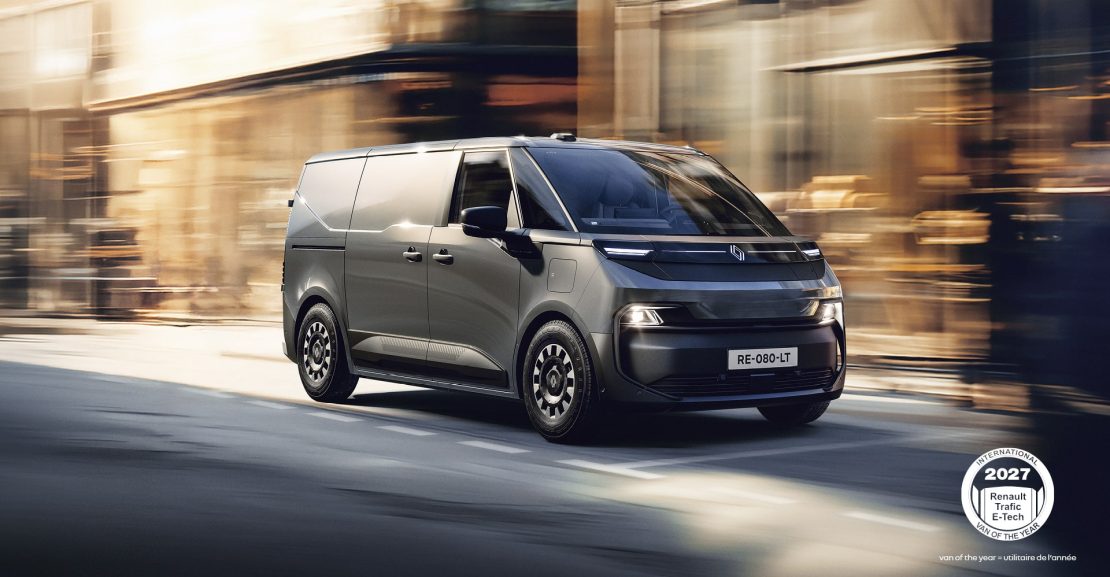
Renault Trafic Van E-Tech — from €42.000
The French option for medium-sized deliveries, with a discreet but sufficient DC curve for urban and peri-urban routes.
| HP power | WLTP autonomy | Golden Label | Fuel Efficiency: |
|---|---|---|---|
| 122 CV | 297 km | Zero | Electric |
Ford E-Transit Custom — from €46.500
A benchmark in the mid-size segment, with a usable 74 kWh battery and a good DC fast-charging curve up to 125 kW peak. A very interesting option if you do a mix of city and highway driving, as we already discussed in our comparison with the ID. Buzz Cargo.
| HP power | WLTP autonomy | Golden Label | Fuel Efficiency: |
|---|---|---|---|
| 218 CV | 337 km | Zero | Electric |
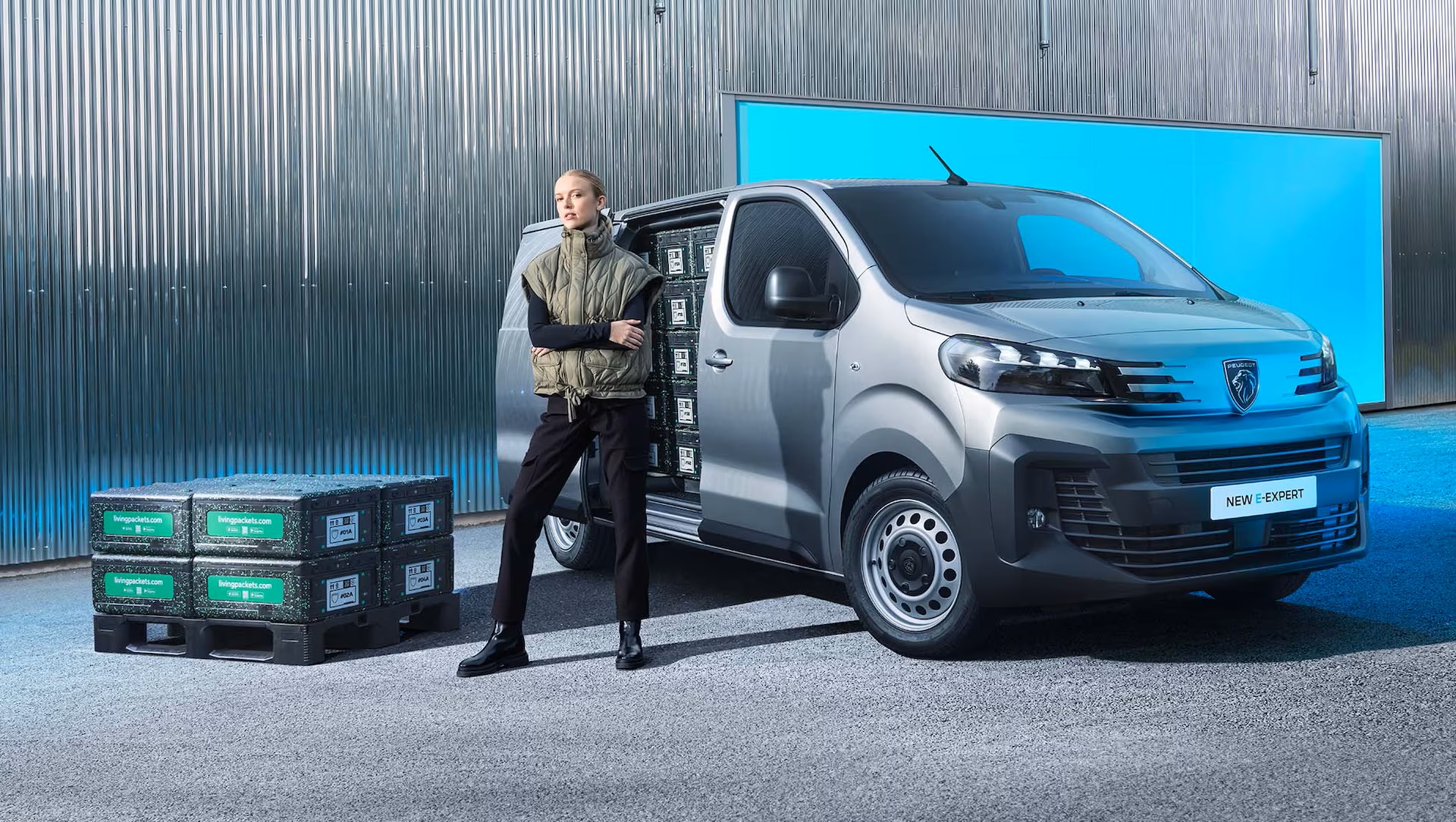
Peugeot e-Expert — from €41.900
Stellantis platform shared with Citroën and Opel. DC charging up to 100 kW and two battery sizes (50 and 75 kWh).
| HP power | WLTP autonomy | Golden Label | Fuel Efficiency: |
|---|---|---|---|
| 136 CV | 330 km | Zero | Electric |
Mercedes-Benz eVito Van — from €48.000
The premium option in the mid-size segment. 60 kWh usable battery and a design geared towards demanding fleets.
| HP power | WLTP autonomy | Golden Label | Fuel Efficiency: |
|---|---|---|---|
| 116 CV | 314 km | Zero | Electric |
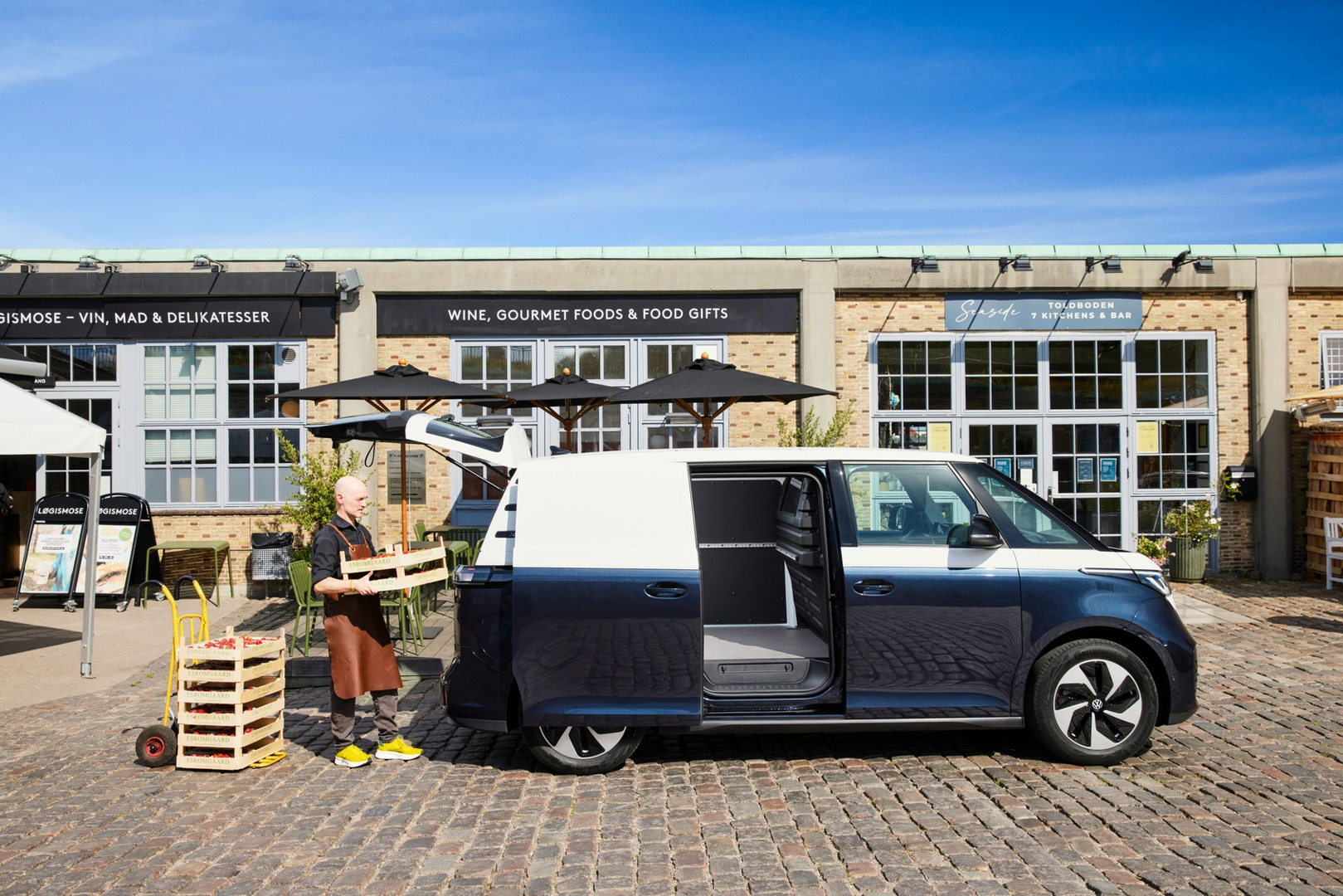
Volkswagen ID. Buzz Cargo — from €54.000
The most distinctive option on the market. DC charging up to 185 kW peak —the best figure in the segment— and a well-balanced payload.
| HP power | WLTP autonomy | Golden Label | Fuel Efficiency: |
|---|---|---|---|
| 204 CV | 415 km | Zero | Electric |
Citroën ë-Berlingo Van — from €32.500
Small, urban, and affordable. 50 kWh gross and a modest but adequate DC curve for its size.
| HP power | WLTP autonomy | Golden Label | Fuel Efficiency: |
|---|---|---|---|
| 136 CV | 320 km | Zero | Electric |
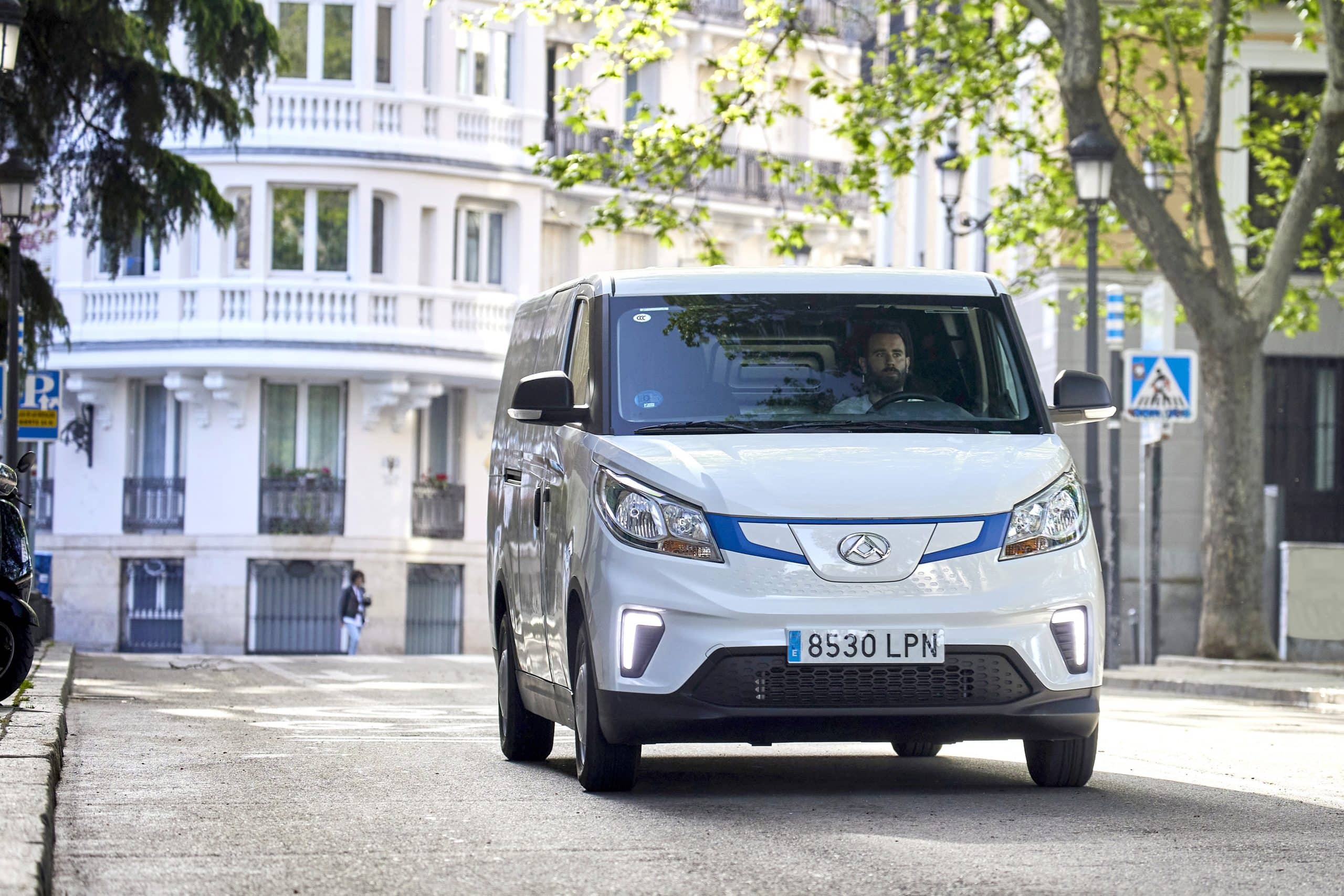
Maxus e-Deliver 3 — from €33.000
The Chinese company continues to gain market share in urban delivery. Aggressive pricing and a solid track record.
| HP power | WLTP autonomy | Golden Label | Fuel Efficiency: |
|---|---|---|---|
| 122 CV | 240 km | Zero | Electric |
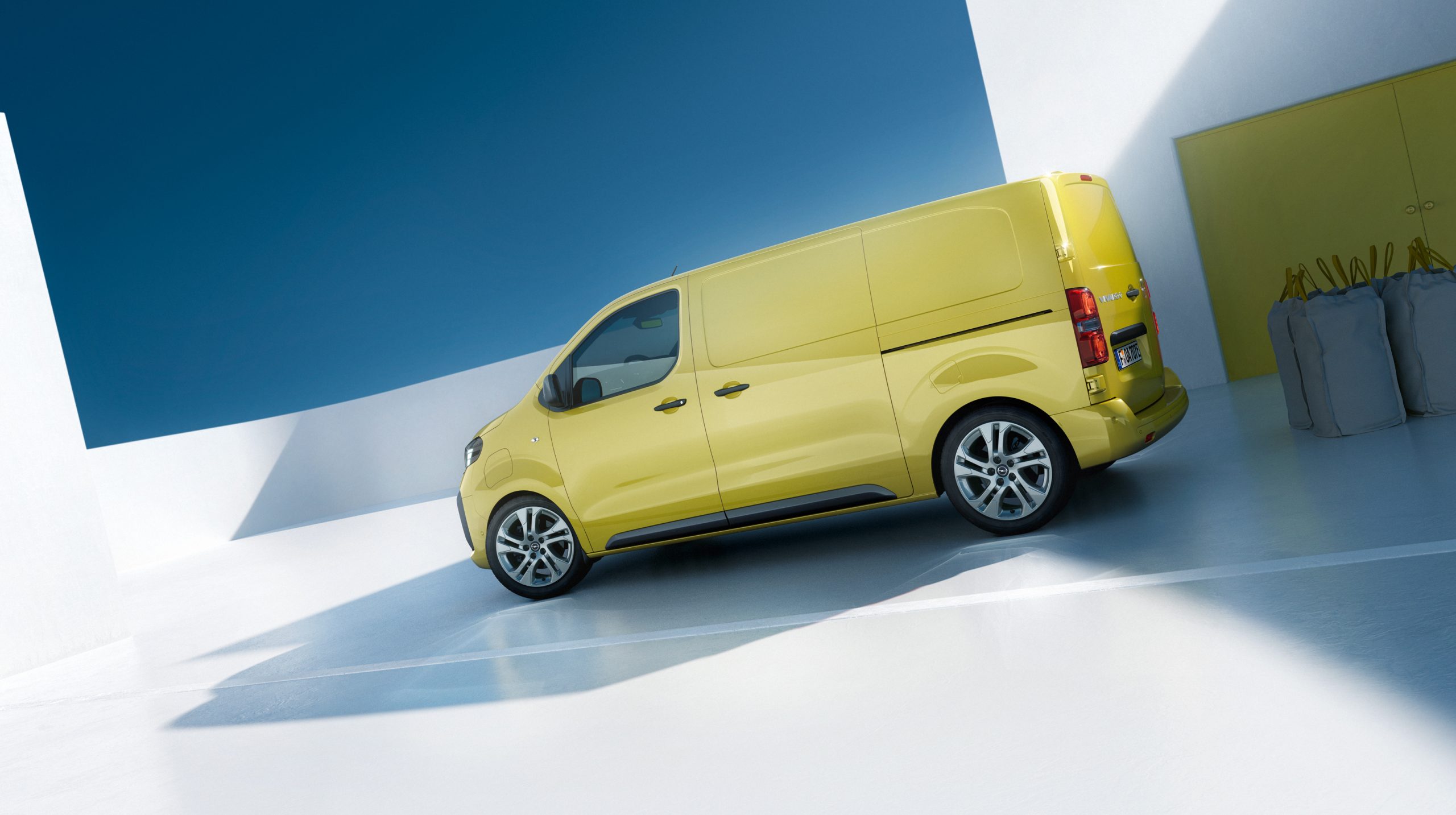
Opel Vivaro Electric — from €41.500
Mechanically a sister to Peugeot and Citroën, with Opel's commercial touch. Good payload within its segment.
| HP power | WLTP autonomy | Golden Label | Fuel Efficiency: |
|---|---|---|---|
| 136 CV | 330 km | Zero | Electric |
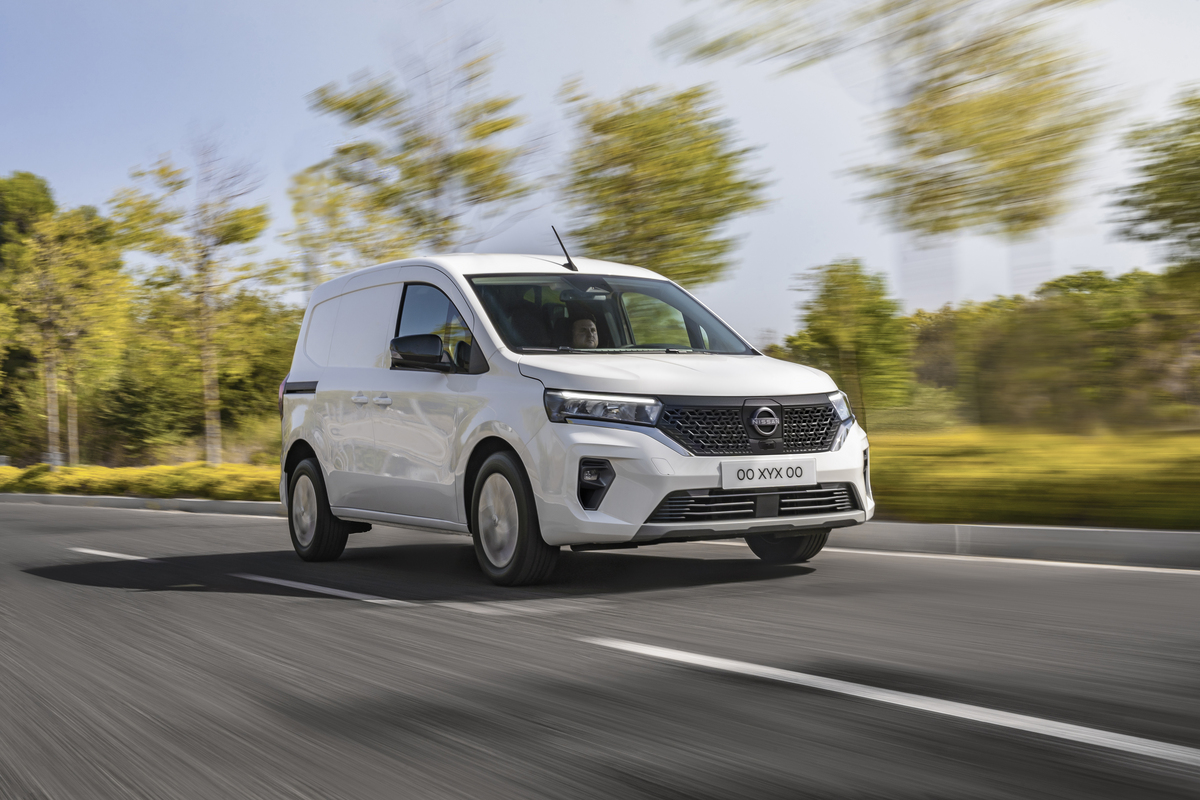
Nissan Townstar EV — from €34.500
Small, well-designed electric vehicle with 45 kWh and a purely urban focus.
| HP power | WLTP autonomy | Golden Label | Fuel Efficiency: |
|---|---|---|---|
| 122 CV | 301 km | Zero | Electric |
Summary table with scores
Score from 1 to 10 weighting WLTP range, DC charging power, payload and indicative price.
| Córdoba | WLTP autonomy | price from | Punctuation in Spanish |
|---|---|---|---|
| Volkswagen ID. Buzz Charge | 415 km | 54.000 € | 9 |
| Ford E Transit Custom | 337 km | 46.500 € | 8,5 |
| Peugeot e-Expert | 330 km | 41.900 € | 8 |
| Opel Vivaro Electric | 330 km | 41.500 € | 8 |
| Citroën ë-Berlingo Van | 320 km | 32.500 € | 7,5 |
| Mercedes-Benz eVito | 314 km | 48.000 € | 7,5 |
| Nissan Townstar EV | 301 km | 34.500 € | 7 |
| Renault Trafic E-Tech | 297 km | 42.000 € | 7 |
| Maxus e-Deliver 3 | 240 km | 33.000 € | 6,5 |
One last point about aid and real cost
If you're planning to buy an electric van in 2026, check out the current Auto+ Plan on the official website: it can significantly reduce your initial outlay. And don't just focus on the list price—to truly choose an electric van , calculate the total cost over five years, including energy, maintenance, and residual value. That's where electric vehicles often outperform diesel on urban routes.
FAQ
What margin should I apply to the WLTP data to know the real range of an electric van?
Fuel consumption can be up to 15% lower in mild summer conditions with a light load, and up to 35-40% lower in cold winter conditions or on the motorway at a sustained speed of 120 km/h with a full load. Never plan routes using the raw WLTP figure.
What is the difference between gross kWh and usable kWh in the battery?
Gross capacity is the total installed capacity; usable capacity is what you can actually use. The manufacturer reserves a margin (usually 6-10%) to protect the battery and extend its lifespan. To calculate actual range, always use the usable capacity.
What does the B96 permit mean and what is it used for in electric vans?
It's an extension of the B driving license that, in the electric vehicle sector, allows you to drive commercial vehicles up to 4.250 kg GVWR (compared to 3.500 kg for the standard B license), compensating for the extra weight of the battery. Each country sets its own eligibility requirements.
Is the peak DC power or the full curve more important?
The curve. A high peak that drops quickly can result in slower sessions than a moderate, sustained peak. Always request the 10-80% recharge time in DC mode, which is the range where you actually operate on the road.