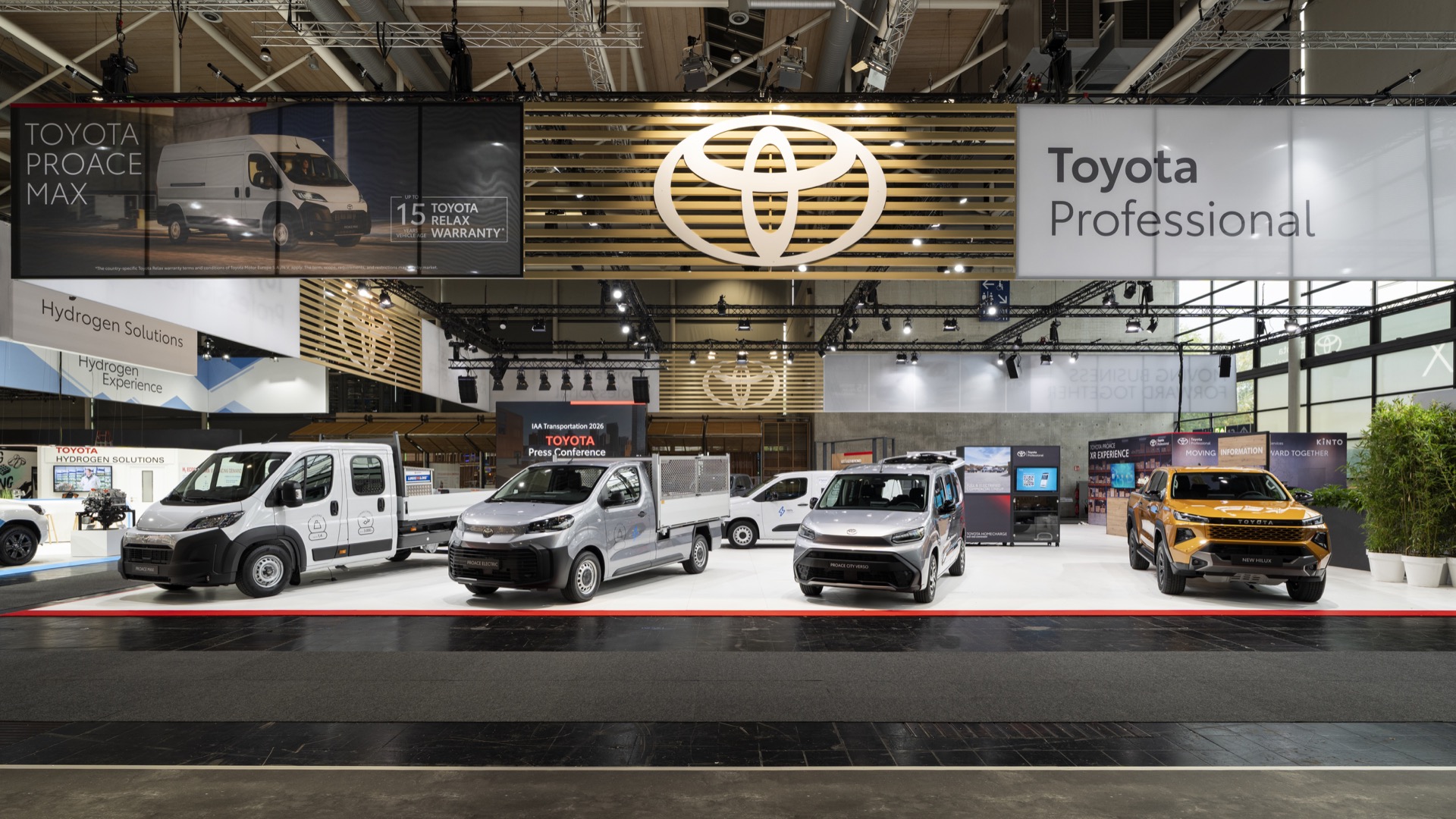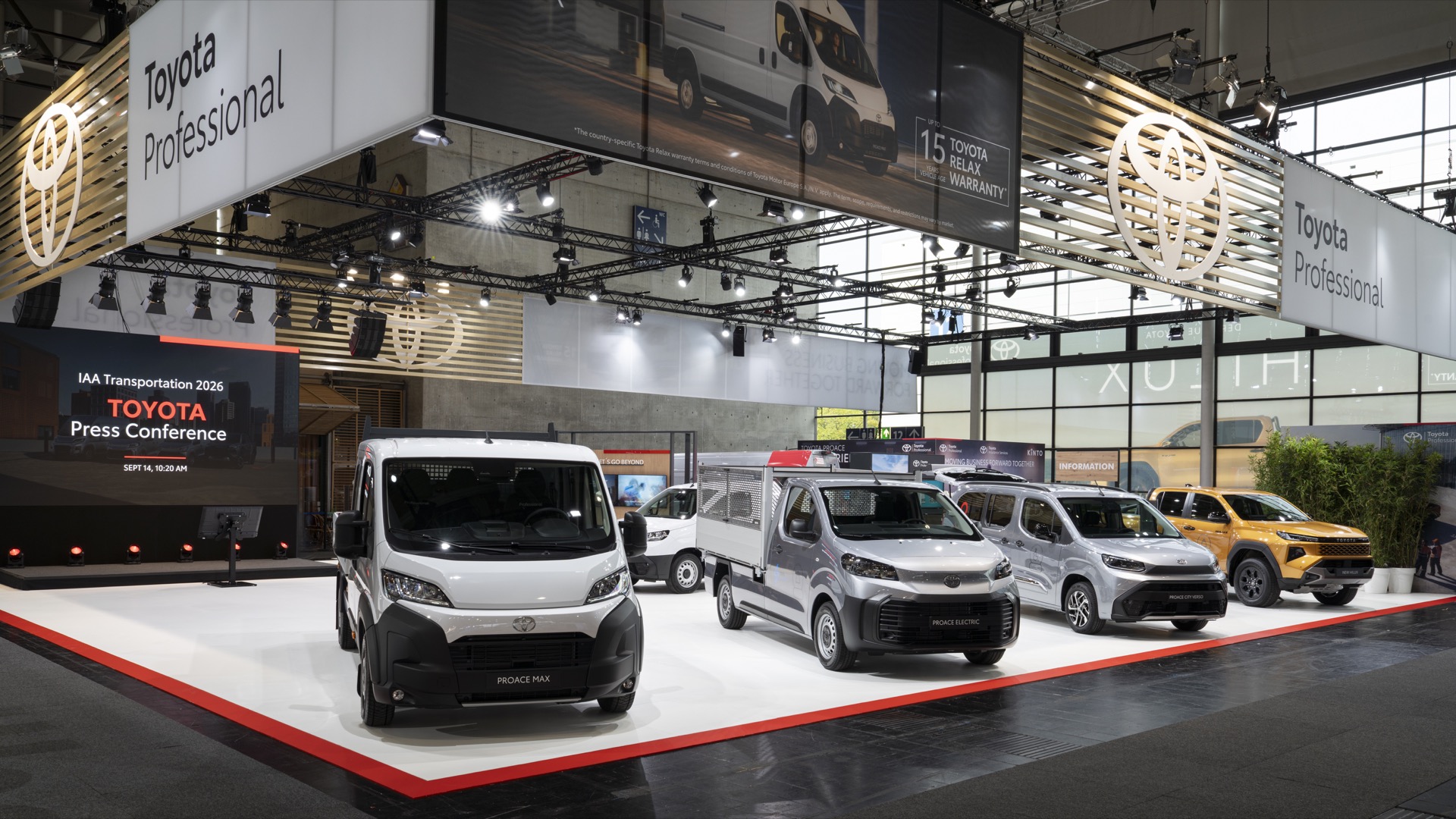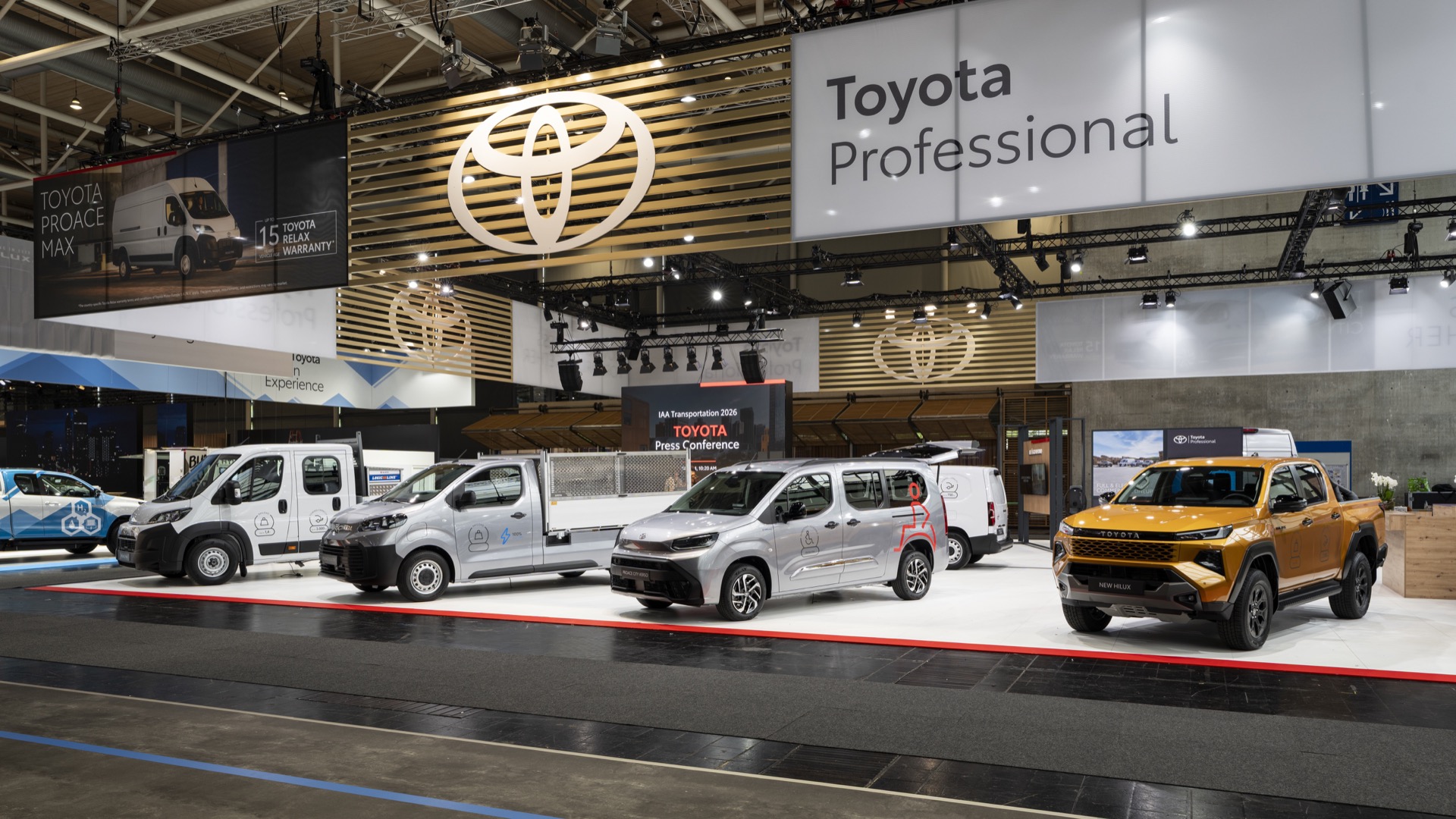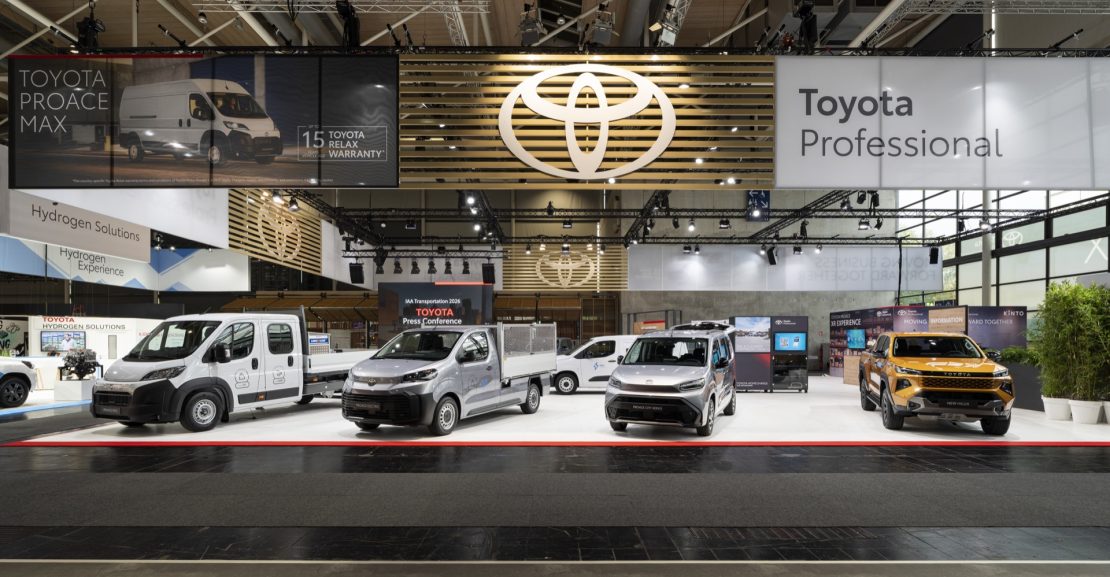
Toyota has used the IAA Transport Show in Hanover to showcase the evolution of its light commercial vehicle range and reinforce the role of Toyota Professional within its European strategy. The brand arrives at the German show with a clear objective: to consolidate its position as an increasingly relevant player in the LCV market and reach 200.000 annual sales of light commercial vehicles by 2030.
Toyota's growth in this segment has been remarkable in recent years. According to the brand, European sales of Toyota Professional light commercial vehicles have doubled in the last five years, exceeding 165.000 units in 2025. This progress has also allowed them to double their market share, which now exceeds 7% . The current lineup covers the main market segments with the PROACE , PROACE CITY , PROACE Verso , and PROACE MAX , in addition to the Hilux pickup , which just launched its ninth generation in 2026.
Electric versions across the entire LCV range
Looking ahead to 2030, Toyota aims to sell 200.000 Toyota Professional vehicles in Europe and achieve an 8% market share . To reach this goal, the brand will focus on three key pillars: freedom of choice for the customer, a specialized professional network, and a comprehensive ecosystem of vehicle-related services. The brand champions a multi-technology strategy that empowers each professional to select the most suitable solution for their specific needs. Depending on the market and model, its light commercial vehicle range offers battery electric versions, 48V mild hybrid options, and diesel engines, including some compatible with renewable fuels such as HVO.
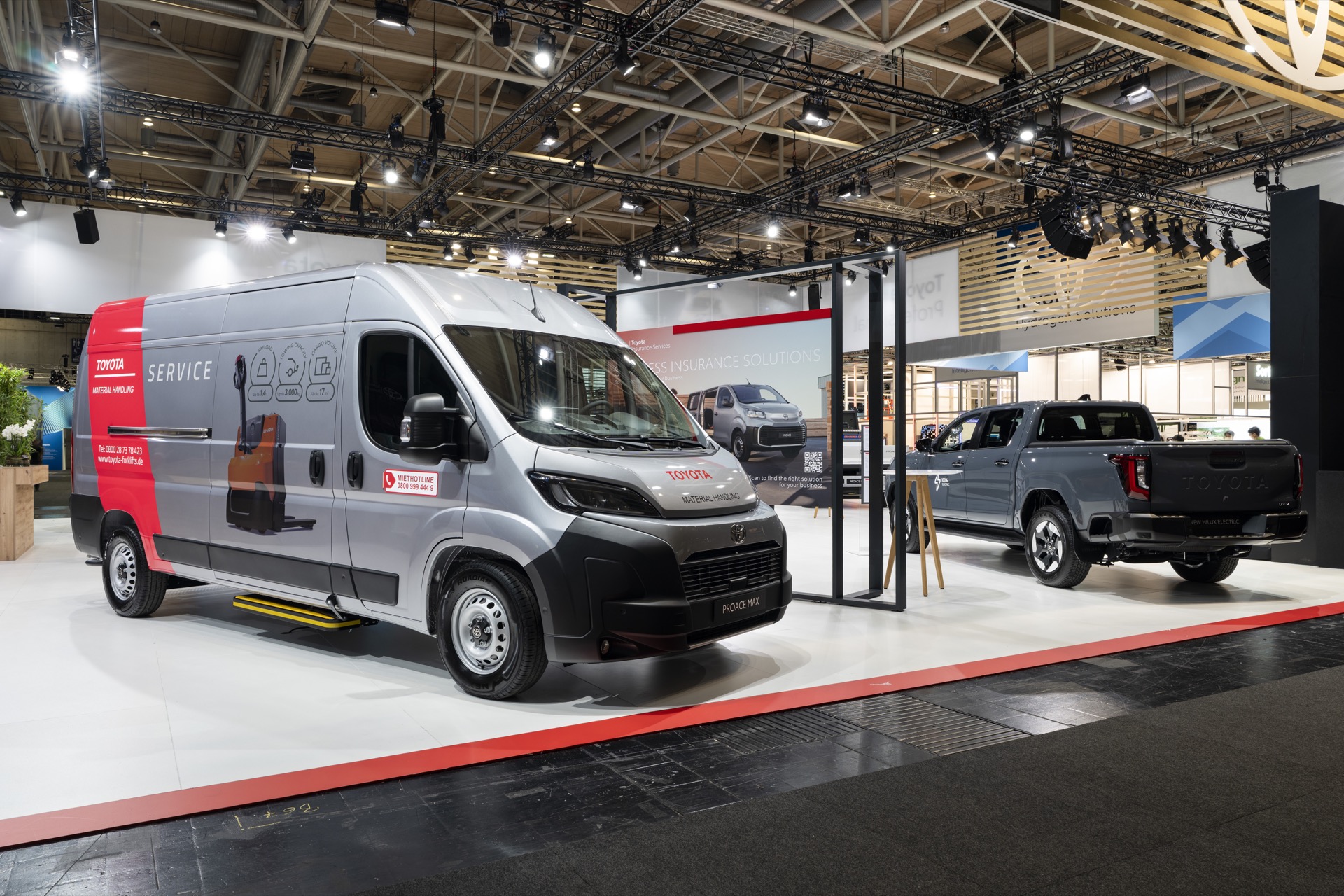
One of the main new developments is that, with the launch of the new Hilux BEV , Toyota now offers battery electric versions across its entire range of light commercial vehicles. According to the brand, battery electric vehicles currently represent 22% of Toyota Professional sales , compared to a market average of around 11%. For Toyota, this figure confirms that professional customers value both electrification and the services associated with purchasing and using the vehicle.
The new Hilux BEV particularly reinforces this strategy, bringing electrification to a model traditionally associated with hard work, professional fleets, and off-road use. The brand doesn't detail its technical specifications in this press release, but it does position it as a key component in completing the electrification of its commercial offering.
Hilux FCEV: hydrogen by 2028
Toyota will also continue developing hydrogen solutions for commercial vehicles. Among them will be the future Hilux FCEV , slated for 2028. Initial data released by the brand indicates a WLTP range of over 400 km and a towing capacity of up to 2.500 kg . With this offering, Toyota aims to provide another alternative for professionals who need to decarbonize their operations but, due to their usage patterns, load requirements, or refueling times, may not find battery electric vehicles to be the ideal solution.
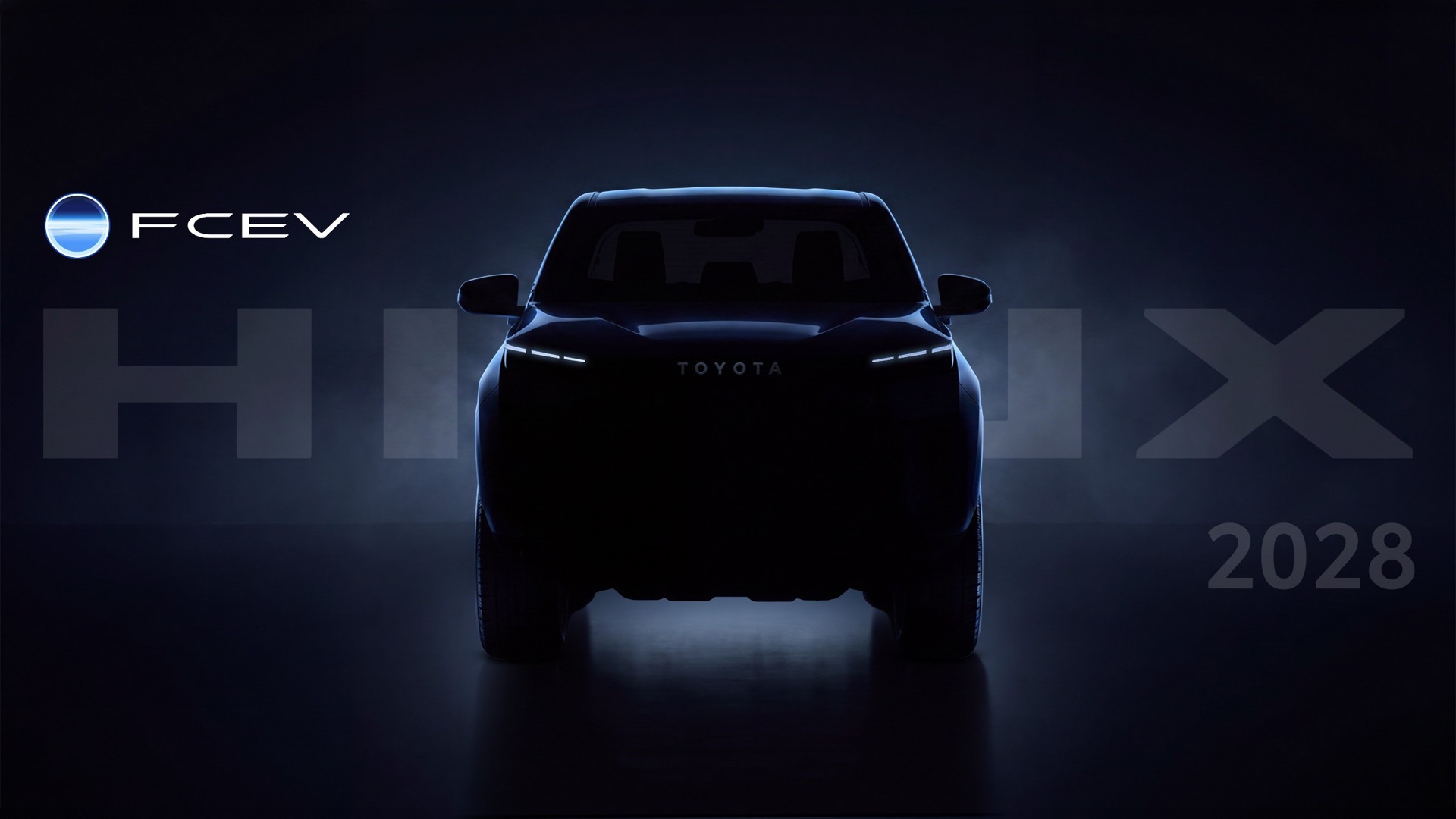
It is a strategy consistent with the brand's multi-technology approach: battery electric for many urban and suburban uses, efficient hybrids and diesel for other work profiles, renewable fuels as a transition option, and hydrogen fuel cells for applications where they can provide operational advantages.
A Toyota Professional network with more than 500 centers
The second pillar of the strategy is service. Toyota emphasizes that professional customers don't just buy a vehicle: they need availability, rapid response, and solutions tailored to their business. To this end, the brand has a network of over 500 specialized Toyota Professional centers across Europe , a figure that has grown by more than 165% since 2019. These centers offer specific support for businesses, the self-employed, and fleets, with services designed to reduce downtime and keep vehicles on the road longer.
Toyota highlights solutions such as express service, courtesy vehicles, and roadside assistance as part of its new vehicle sales commitment. In Spain, this is complemented by Toyota Relax , a renewable coverage of up to 15 years or 250.000 km , linked to maintenance at the Official Toyota Dealer Network in Spain.
A one-stop shop for financing, insurance, fleets and leasing
The third pillar is the Toyota Professional ecosystem. The idea is for professional customers to have a single point of contact to access not only vehicles, but also financial services, insurance, fleet solutions, and leasing through KINTO , Toyota's mobility brand. This approach aims to simplify management for businesses and the self-employed. Instead of handling purchase, financing, insurance, maintenance, and leasing separately, Toyota wants to consolidate the offering into a more integrated solution.
For professionals, these types of services can be as important as the vehicle itself. In many cases, the purchase decision depends on the total cost of ownership, availability, after-sales service, and ease of fleet management, not just the purchase price.
An increasingly comprehensive commercial range
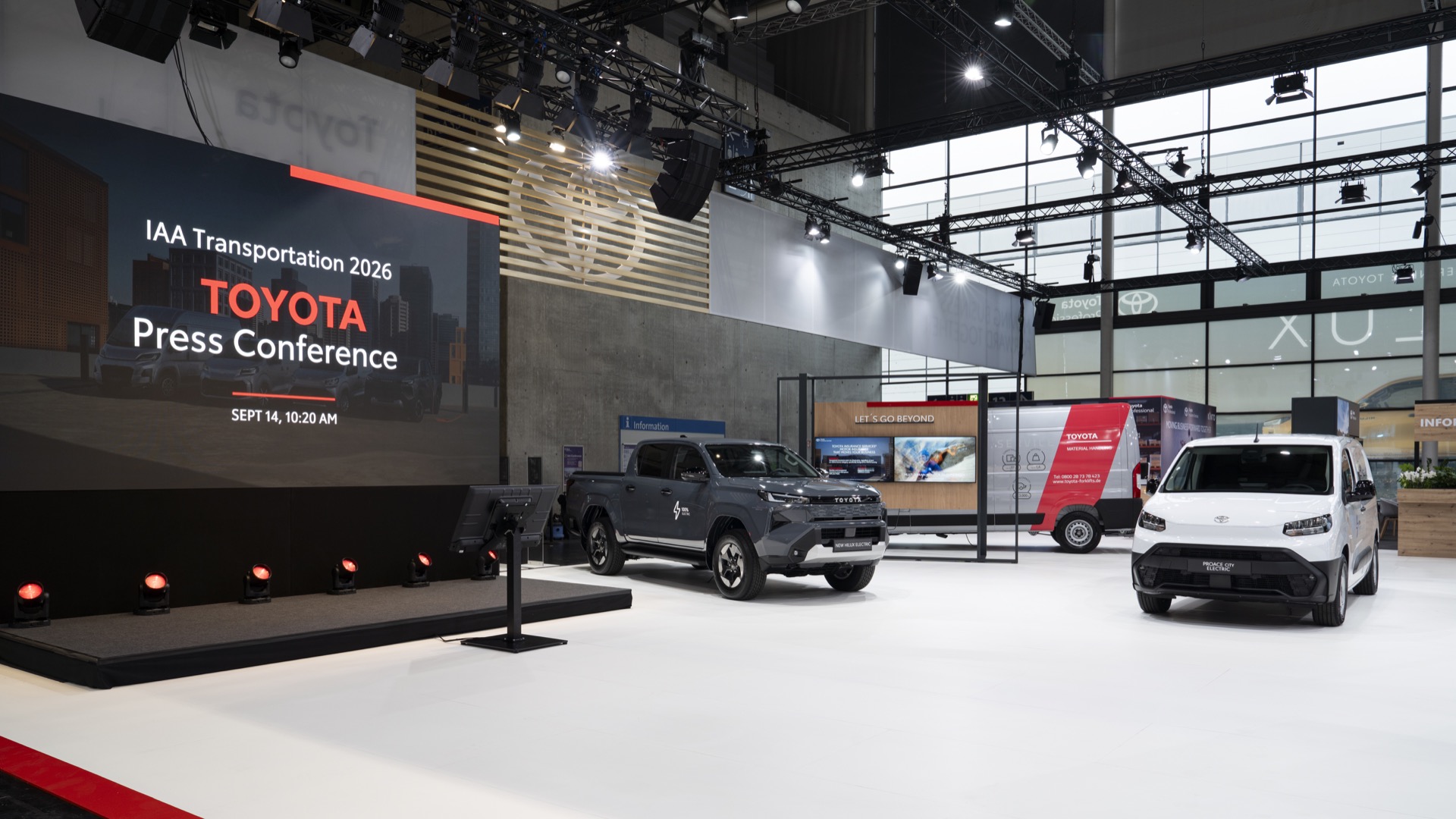
Toyota's presence in Hanover also serves to showcase the breadth of its range. The brand's LCV catalog covers everything from compact vehicles like the PROACE CITY to large vans like the PROACE MAX , including the PROACE , PROACE Verso , and the Hilux pickup . With this coverage, Toyota can target a wide variety of professional profiles: urban delivery, passenger transport, technical services, corporate fleets, construction, self-employed individuals, public administrations, and companies that require convertible vehicles.
The electrification of the entire range also adds an additional argument in a market increasingly conditioned by low-emission zones, reduced operating costs and companies' decarbonization targets.