
The electric large van segment in Spain has been in slow-start mode for two years, but 2026 marks the point at which last-mile delivery fleets and logistics operators have begun to see real registrations. We're no longer talking about pilot programs or a symbolic unit for a photo op. We're talking about orders for fifty, one hundred, two hundred vehicles.
The reason is a less-than-romantic mix: stricter Low Emission Zones in Madrid, Barcelona, and Valencia; WLTP ranges finally exceeding 400 km in practical configurations; and an Auto+ Plan that—with some nuances—helps to balance the Total Cost of Ownership (TCO) against the equivalent diesel vehicle. Added to this is the fact that Mercedes, Ford, Stellantis, and Renault already have their large electric vans in dealerships, not just in theoretical catalogs.
Here's the ranking, ordered by cumulative registrations for the year in Spain according to data from the main industry associations. One model per brand, no tricks.
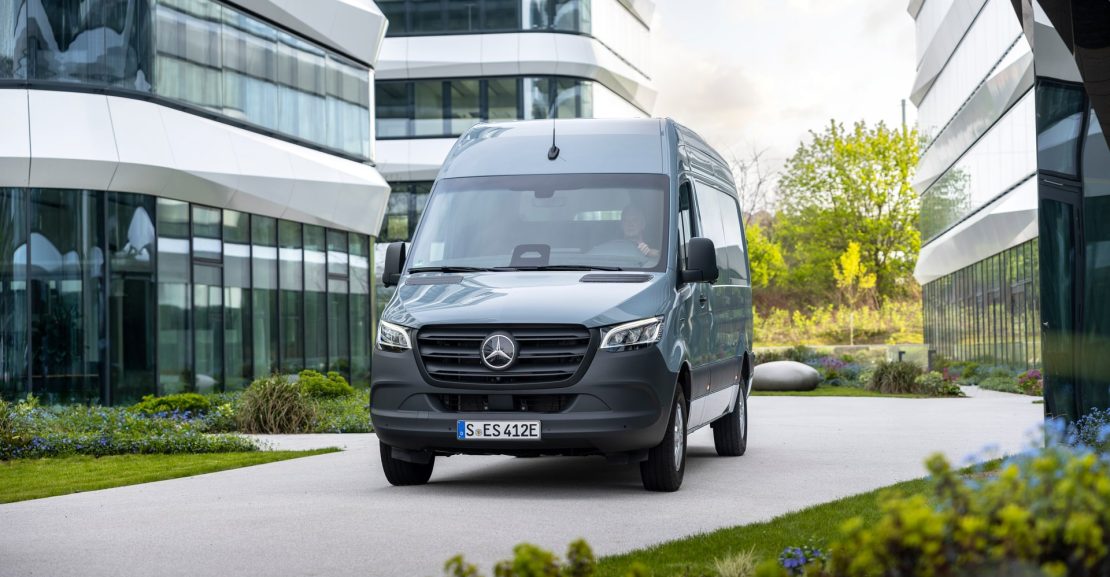
1. Mercedes-Benz eSprinter — from €67.500
The eSprinter has dominated the premium electric van segment in Spain. Its strength lies in corporate fleets that already operated diesel Sprinters and don't want to change suppliers: premium parcel delivery, technical services for major accounts, and some postal operators. The 113 kWh usable battery and L3H2 chassis are the most popular configuration, with enough range for a full day in the city without recharging.
However, the starting price remains high. It's worthwhile when fleet size allows for negotiation and when operations require extensive after-sales service, an area where Mercedes-Benz Vans maintains a clear advantage.
| Power | WLTP autonomy | Golden Label | Fuel Efficiency: |
|---|---|---|---|
| 150 kW / 204 PS | up to 440km | Zero | Electric |
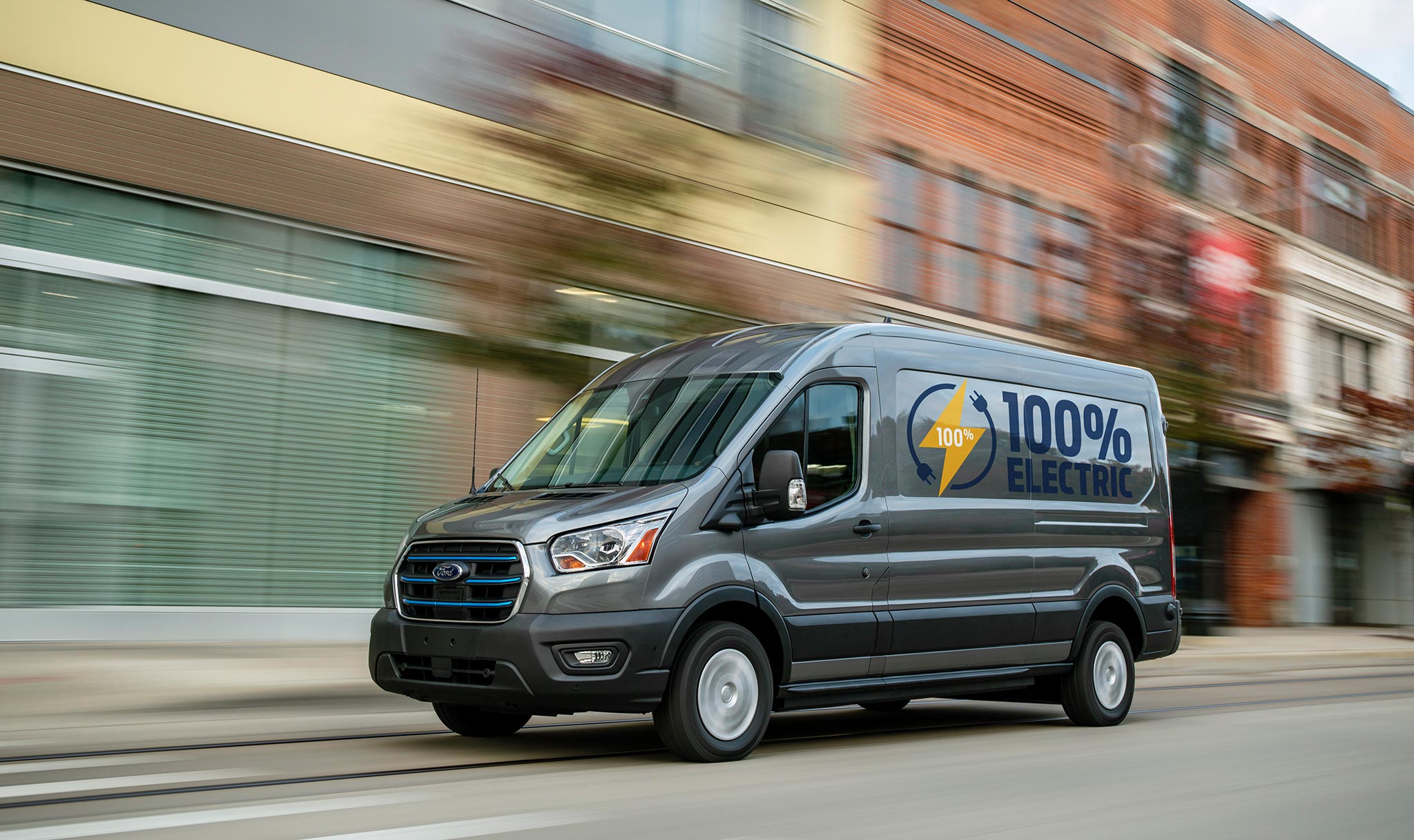
2. Ford E-Transit — from €58.900
In our opinion, the E-Transit is the best-positioned large electric van in the Spanish market in terms of performance and price. Ford Pro has done its homework: a network of workshops, integrated fleet telemetry as standard, and various battery and body configurations. The 68 kWh version is well-suited for intensive urban deliveries; the 89 kWh version is the one being registered by fleets that operate longer metropolitan routes.
Its greatest strength has been maintaining its payload capacity compared to the equivalent diesel Transit, a crucial factor in this segment. A large van that can't carry cargo is a large van that won't sell.
| Power | WLTP autonomy | Golden Label | Fuel Efficiency: |
|---|---|---|---|
| up to 198 kW / 269 hp | up to 402km | Zero | Electric |
For those looking for the mid-size version of the same family, the E-Transit Custom vs. ID. Buzz Cargo comparison clarifies when it's worth upgrading to the larger sibling.
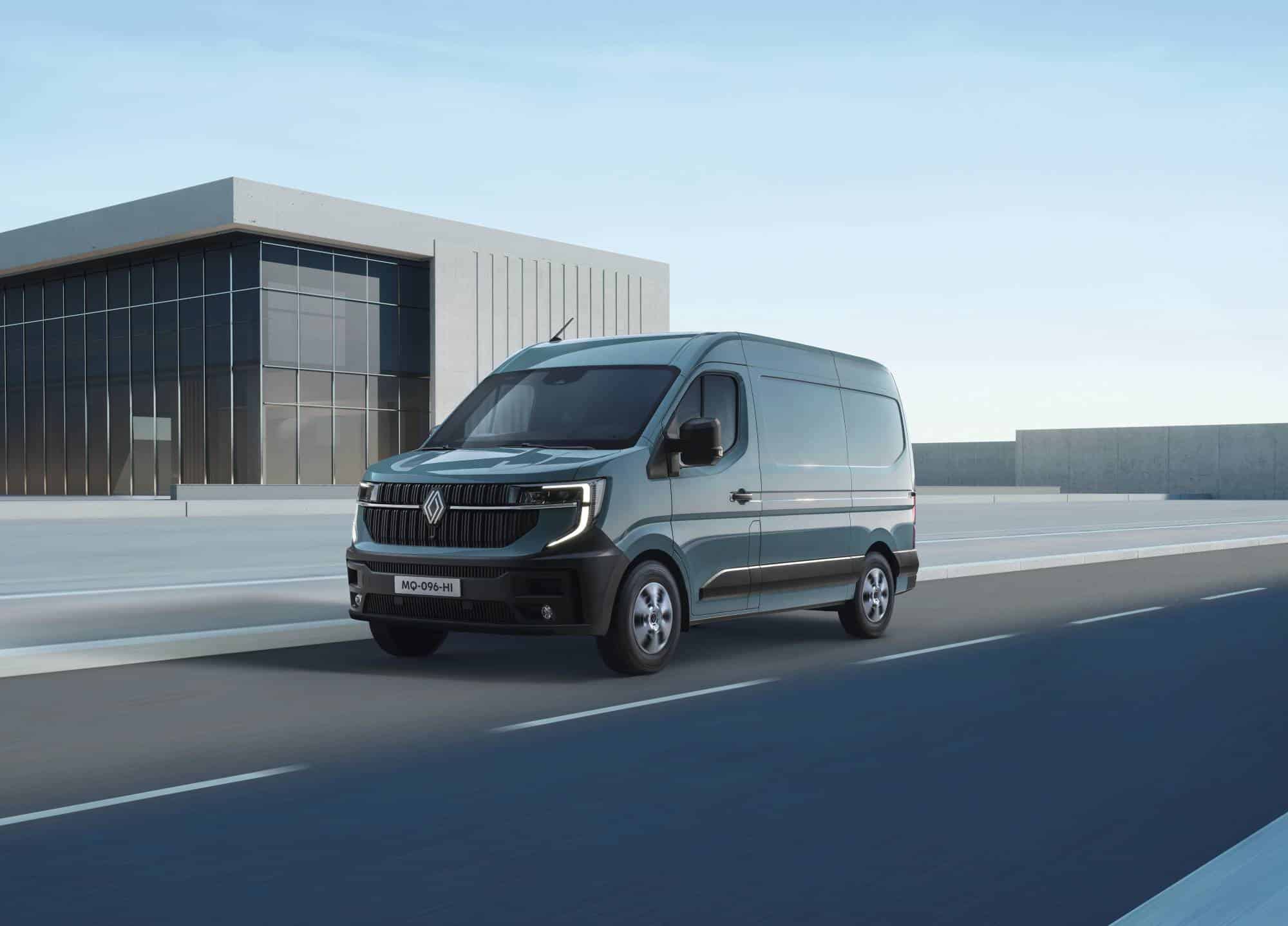
3. Renault Master E-Tech — from €56.400
The revamped Master E-Tech has been a surprise hit. Renault Pro+ has taken advantage of the new generation to equip it with a platform originally designed for battery power, which is evident in two key areas: competitive payload and low WLTP fuel consumption for its size. It's the van that many regional delivery SMEs are buying, companies that previously used diesel Masters and have faced pressure from their customers to decarbonize their fleets.
It performs well on mixed city/highway routes, although on sustained highway driving, the actual consumption rises more than the specifications suggest. This is the reality of any large electric van, not a flaw of its own.
| Power | WLTP autonomy | Golden Label | Fuel Efficiency: |
|---|---|---|---|
| 105-130 kW / 143-177 hp | up to 460km | Zero | Electric |

4. Fiat E-Ducato — from €55.900
The E-Ducato plays in two leagues simultaneously. On the one hand, there are municipal fleets and technical services for city councils and utilities, where Fiat Professional has been well established for years. On the other, there's the camper van market: Spanish coachbuilders are already constructing motorhomes and large campers on this electric platform, although the volume of this segment remains negligible within the overall market.
The 110 kWh battery is driving sales. It offers reasonable range, a competitive price for the segment, and a cabin that—in my opinion—feels a step below the eSprinter in terms of finish, but it does the job.
| Power | WLTP autonomy | Golden Label | Fuel Efficiency: |
|---|---|---|---|
| 200 kW / 272 PS | up to 420km | Zero | Electric |

5. Peugeot e-Boxer — from €54.700
Rounding out the top five is the e-Boxer, the Ducato's platform sibling within the Stellantis family. Its typical customer in Spain is the medium-sized delivery SME and the small logistics operator looking for a competitive entry price in the large segment. Peugeot Professional has promoted it with aggressive leasing terms, which explains a significant portion of its sales volume.
It's not the most refined large electric van on the market, but it delivers on its promises: generous cargo space, sufficient urban range, and an extensive dealer network. When the purchasing criterion is cost per vehicle within a small fleet, it always appears on the shortlist.
| Power | WLTP autonomy | Golden Label | Fuel Efficiency: |
|---|---|---|---|
| 200 kW / 272 PS | up to 420km | Zero | Electric |
Summary table and scoring
Score from 1 to 10, taking into account real-world range, payload, after-sales network in Spain, and fit with the dominant professional fleet profile.
| Córdoba | price from | WLTP autonomy | Max power | Buyer profile | Nota |
|---|---|---|---|---|---|
| Mercedes-Benz eSprinter | 67.500 € | 440 km | 204 CV | Premium corporate fleet | 8,7 |
| Ford E Transit | 58.900 € | 402 km | 269 CV | Intensive professional casting | 8,9 |
| Renault Master E-Tech | 56.400 € | 460 km | 177 CV | SME regional distribution | 8,4 |
| Fiat E-Ducato | 55.900 € | 420 km | 272 CV | Municipal fleets / camper | 7,9 |
| Peugeot e-Boxer | 54.700 € | 420 km | 272 CV | SMEs and leasing | 7,7 |
If your operations are closer to local urban delivery than to large vans, it's worth looking at the ranking of electric mid-size vans for value for money before making the leap to the large segment.
FAQ
What is considered a large electric van in Spain?
L3-L4 segment vans, with lengths exceeding 5,9 meters and load volumes from 10 m³ upwards. Sprinter, Transit, Ducato, Boxer and Master are the historical benchmarks of the segment.
Is it worth buying a large electric van today compared to a diesel one?
It depends on daily mileage, route type, and access to charging stations. For urban and suburban driving under 250 km per day with overnight charging at a depot, the five-year total cost of ownership (TCO) is usually favorable for electric vehicles, especially with the Auto+ Plan applied.
What real-world battery life can I expect in professional use?
With a near-maximum load and mixed driving conditions, the WLTP range is reduced by 20-30%. A van rated at 420 km will achieve around 290-330 km in real-world driving, slightly less in winter with the heating on.
Are there any government subsidies available for buying these vans in Spain?
Yes, the Auto+ Plan is the current framework for subsidies to help people buy electric vehicles in Spain. It's always best to check the official website for specific amounts and conditions, as they are updated regularly.