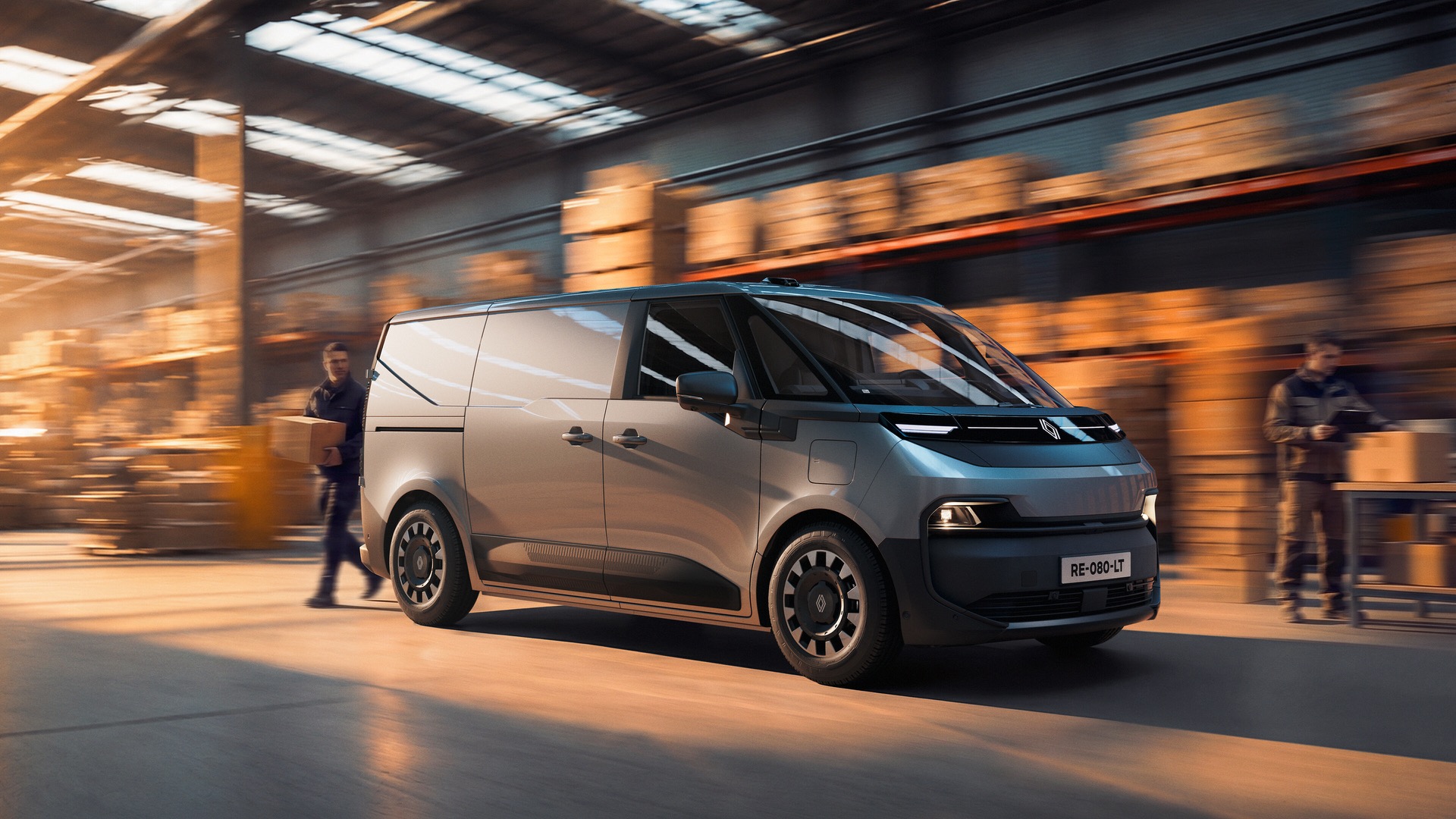
Renault's presence in Hanover is not limited to showcasing a new model. The French brand aims to strengthen its position in the European light commercial vehicle market, where it holds the number two spot and where models like the Master , Kangoo , and Trafic maintain a prominent presence in their respective segments. In the case of the Master, Renault is also emphasizing its European leadership among large vans.
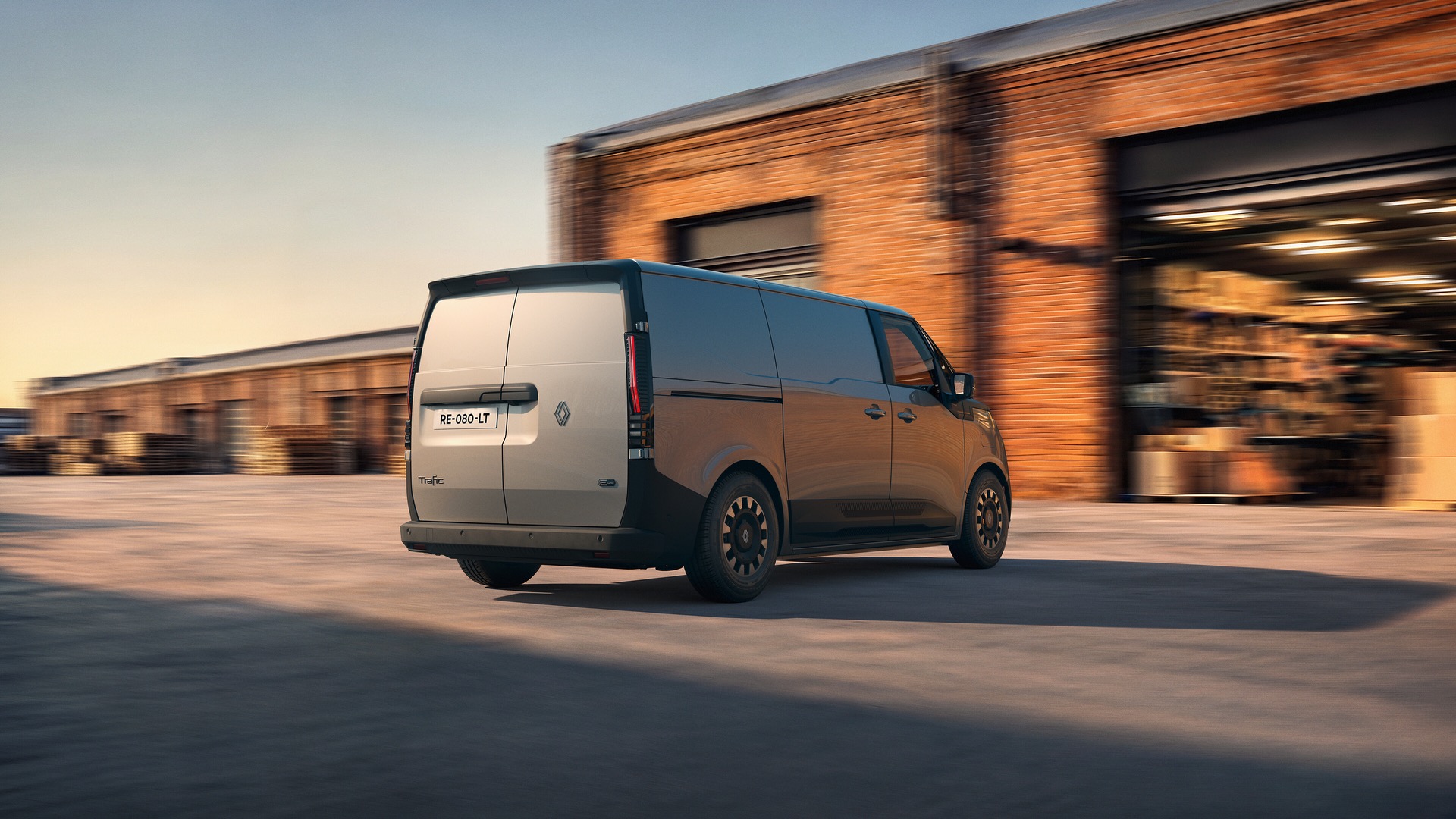
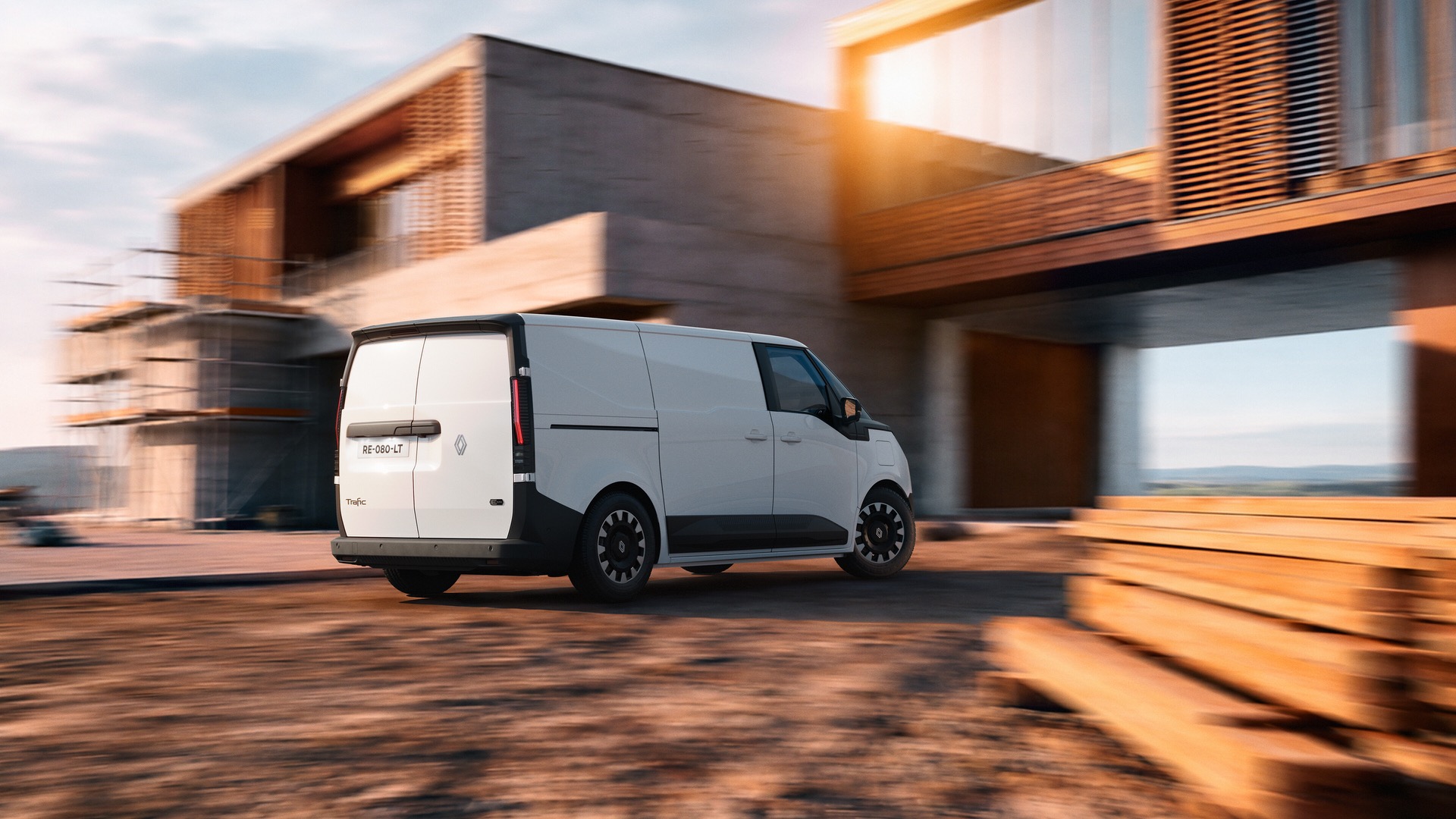
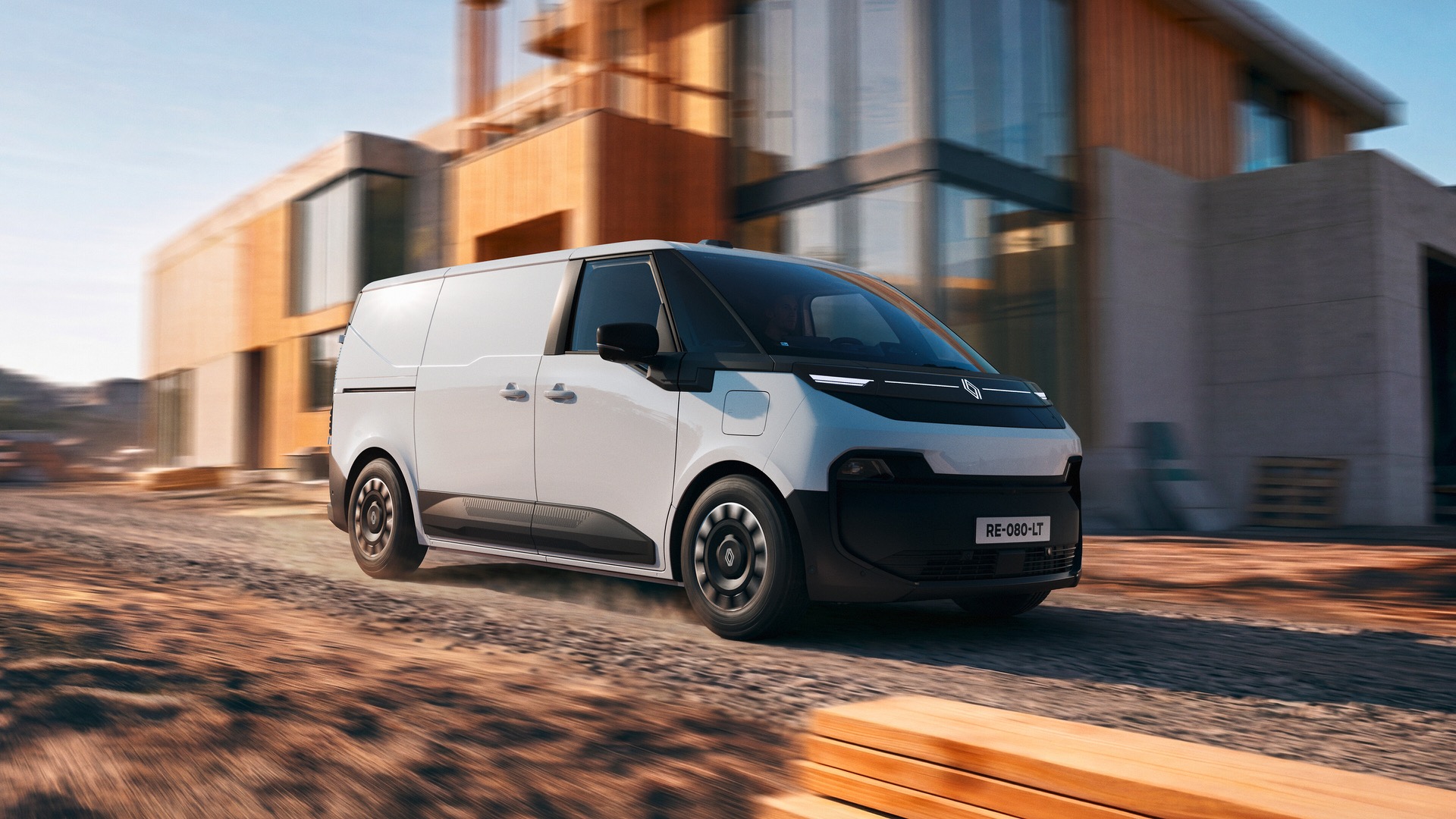
The big news at the stand will be the new Renault Trafic E-Tech electric van , a model that marks the beginning of a new family of electric commercial vehicles within Renault's product strategy. Designed and manufactured in Europe, at the French plant in Sandouville , this new electric van will first arrive in panel van version before the end of the year, while the chassis-cab and double-cab variants will be added to the range in 2027.
New Renault Trafic E-Tech Van: up to 470 km of range
One of the main selling points of the new electric Trafic E-Tech Van will be its range. Renault announces a figure exceeding 470 km, pending WLTP homologation , and an urban range that can reach almost 690 km . According to the brand, this would allow for up to five working days of driving without needing to recharge under certain urban conditions.
The new electric Trafic is based on the Renault Group's RGEV platform for medium-sized commercial vehicles. Thanks to an 800V electrical architecture , the brand announces one of the best fast-charging solutions in its segment, capable of recovering up to 280 km of range in 20 minutes , or up to 380 km in urban driving.
For professionals, this combination of range and fast charging is a significant advantage. In a commercial vehicle, downtime directly impacts productivity. That's why Renault also highlights that the new electric Trafic E-Tech Van can offer a total cost of ownership up to 10% lower than an equivalent combustion engine version.
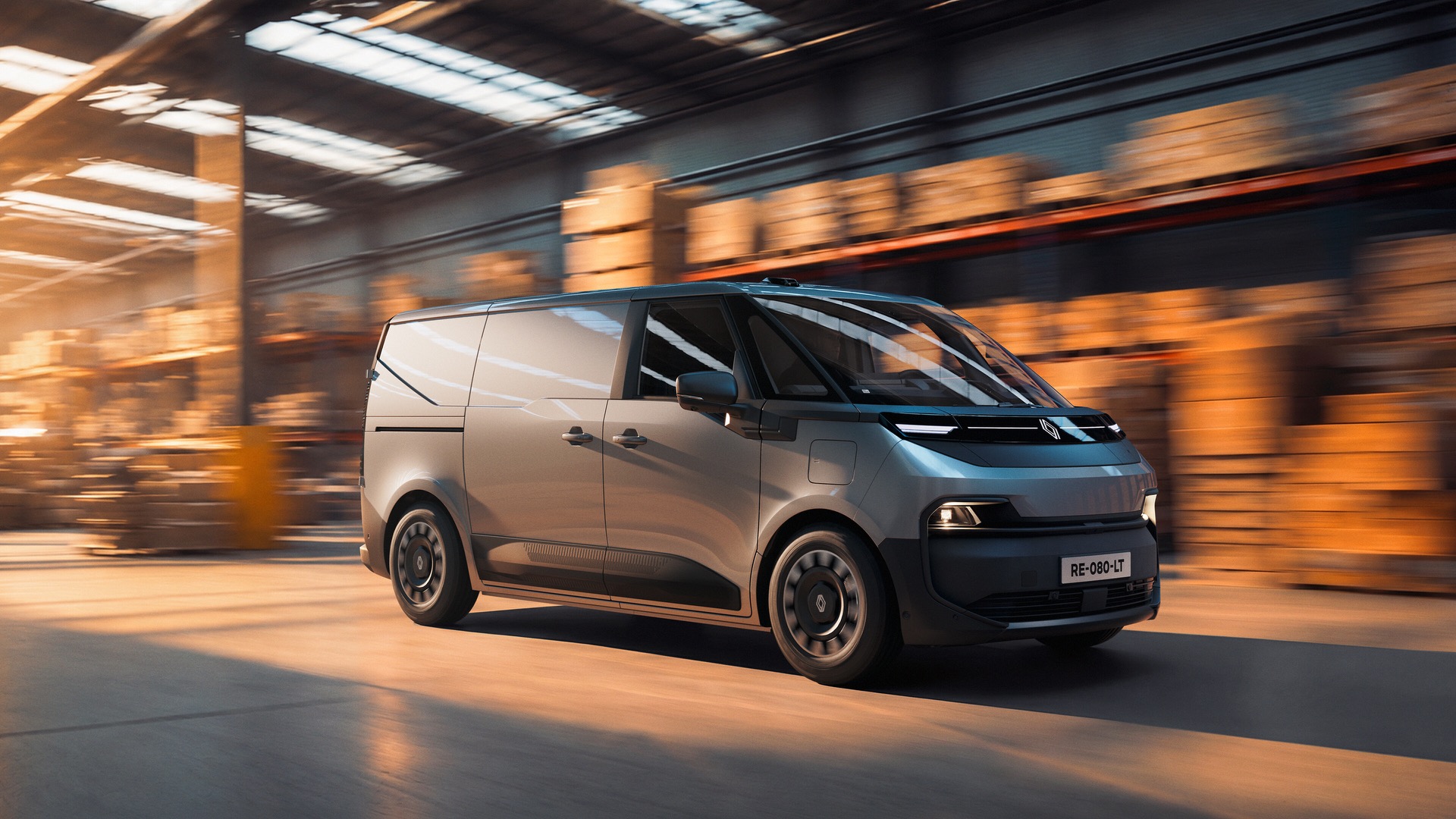
Renault has also focused on ease of use. The new electric Trafic E-Tech Van boasts a turning radius of 10,3 meters , a figure the brand compares to the agility of a Renault Clio. This is complemented by a height of 1,89 meters , designed to allow access to standard-height underground parking garages. The brand also highlights a driving experience closer to that of a passenger car, thanks primarily to a multi-link rear suspension , an ergonomic driving position, and the quiet operation of an electric vehicle. These are particularly important aspects for urban deliveries, technical services, or other activities involving long hours behind the wheel.
One of the most significant innovations lies in the electronic architecture. The new electric Trafic E-Tech Van will be the Renault Group's first vehicle and the first light commercial vehicle in Europe to integrate an SDV architecture , meaning a software-defined van. This architecture replaces 80 electronic control units with just two supercomputers running CAR OS , an Android-based operating system developed in collaboration with Google. This will allow for regular updates, greater customization, predictive maintenance, and improved residual value thanks to the continuous addition of new features. In practice, Renault wants the van to evolve throughout its lifespan, similar to a computer or smartphone. For a fleet, this could open the door to more adaptable vehicles with configurable functions and connected services tailored to specific needs.
Renault is also focusing on the sustainability of the new electric Trafic E-Tech Van. According to the life cycle analysis presented by the brand, its carbon footprint is reduced by more than 45% compared to a diesel van of equivalent size. The analysis, calculated over 200.000 kilometers and using the average European electricity mix, estimates emissions of 33 tons of CO₂ equivalent for the new electric Trafic, compared to approximately 63 tons of CO₂ for a comparable diesel vehicle. This improvement is due to electrification, an 81 kWh battery , a 6% improvement in the aerodynamic coefficient (Cd), and a powertrain with an efficiency exceeding 90%.
Genuine commercial load capacity
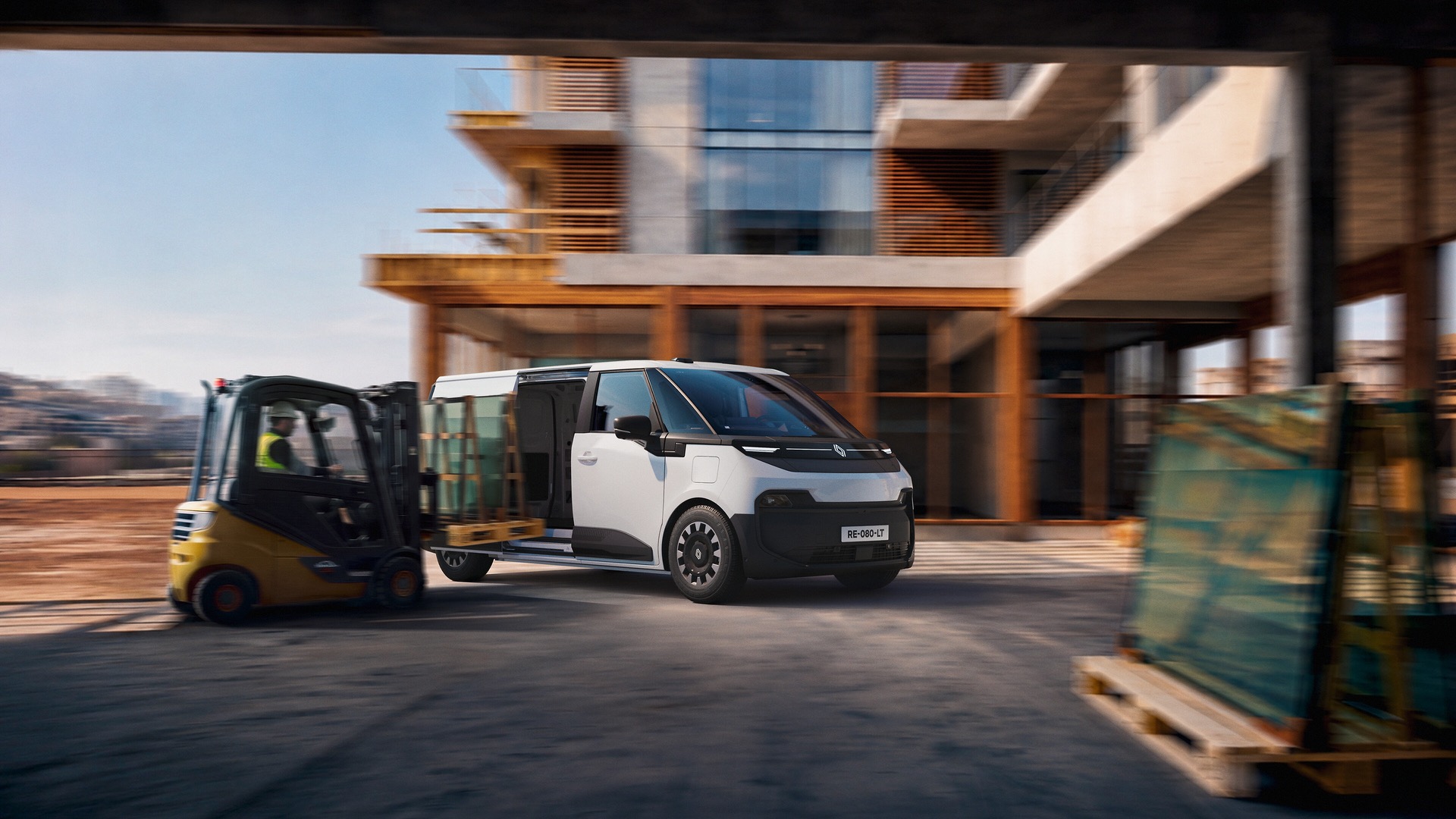
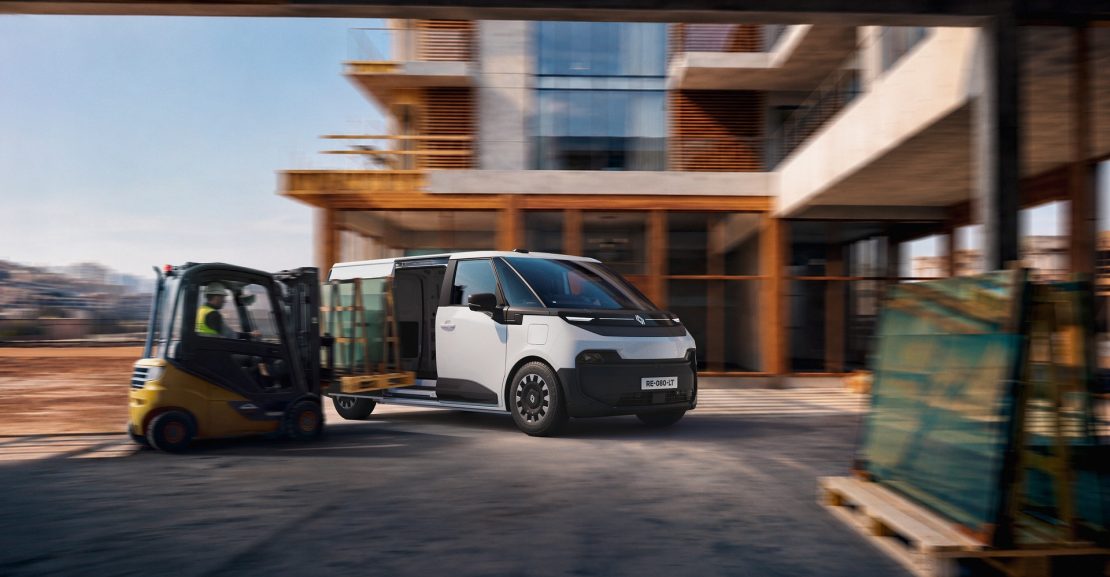
Although technology plays a significant role, Renault insists that the new Trafic retains the essential attributes of a professional van. It offers up to 5,8 m³ of cargo volume , a payload of 1,3 tons , a towing capacity of 2 tons , space for three Euro pallets , and a loading height of 53 cm . It has also been designed with conversions in mind. The flat floor, the 1,30-meter width between wheel arches , and the 1,3-ton payload in both the panel van and chassis cab versions facilitate its adaptation to various professional uses.
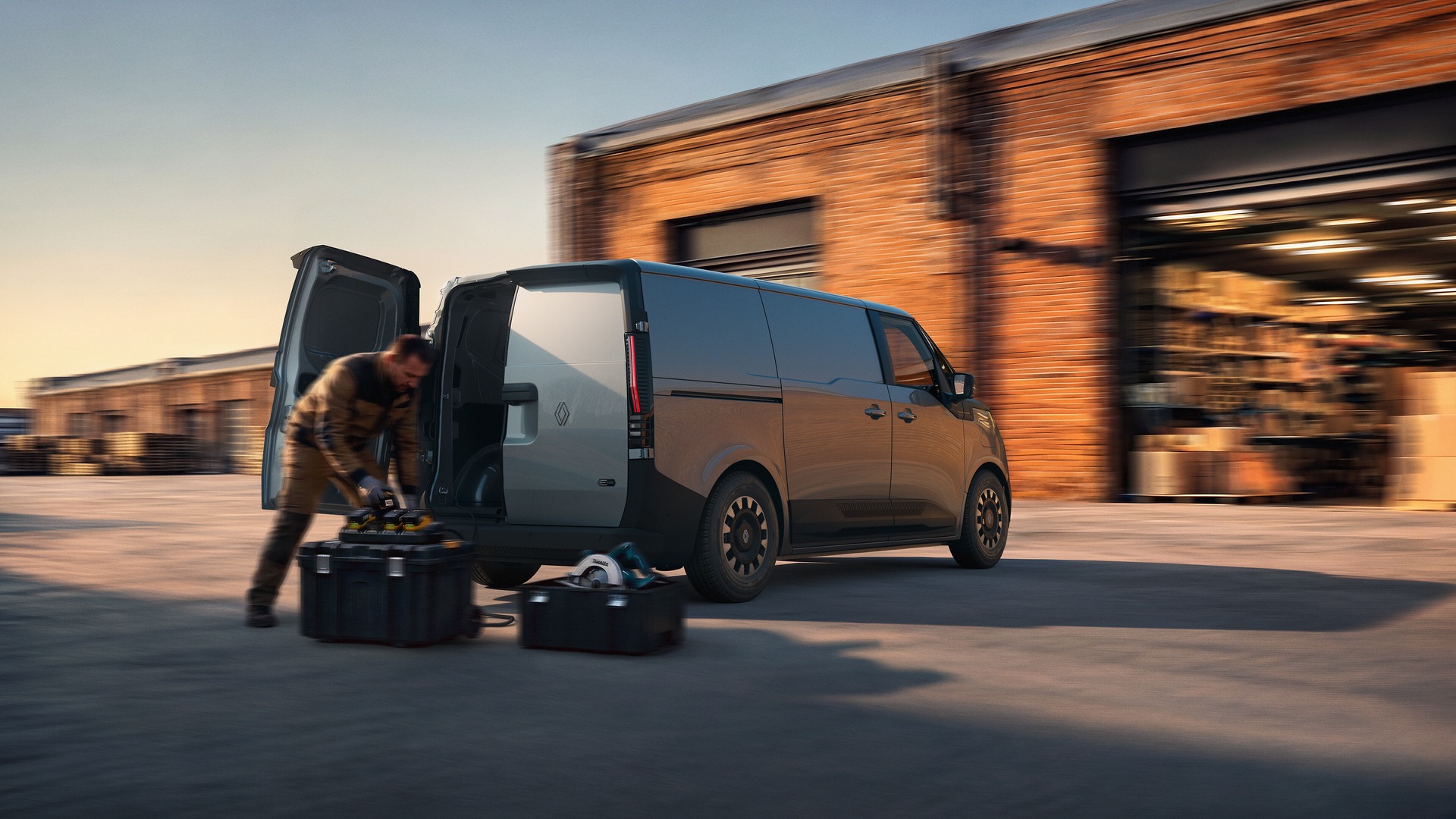
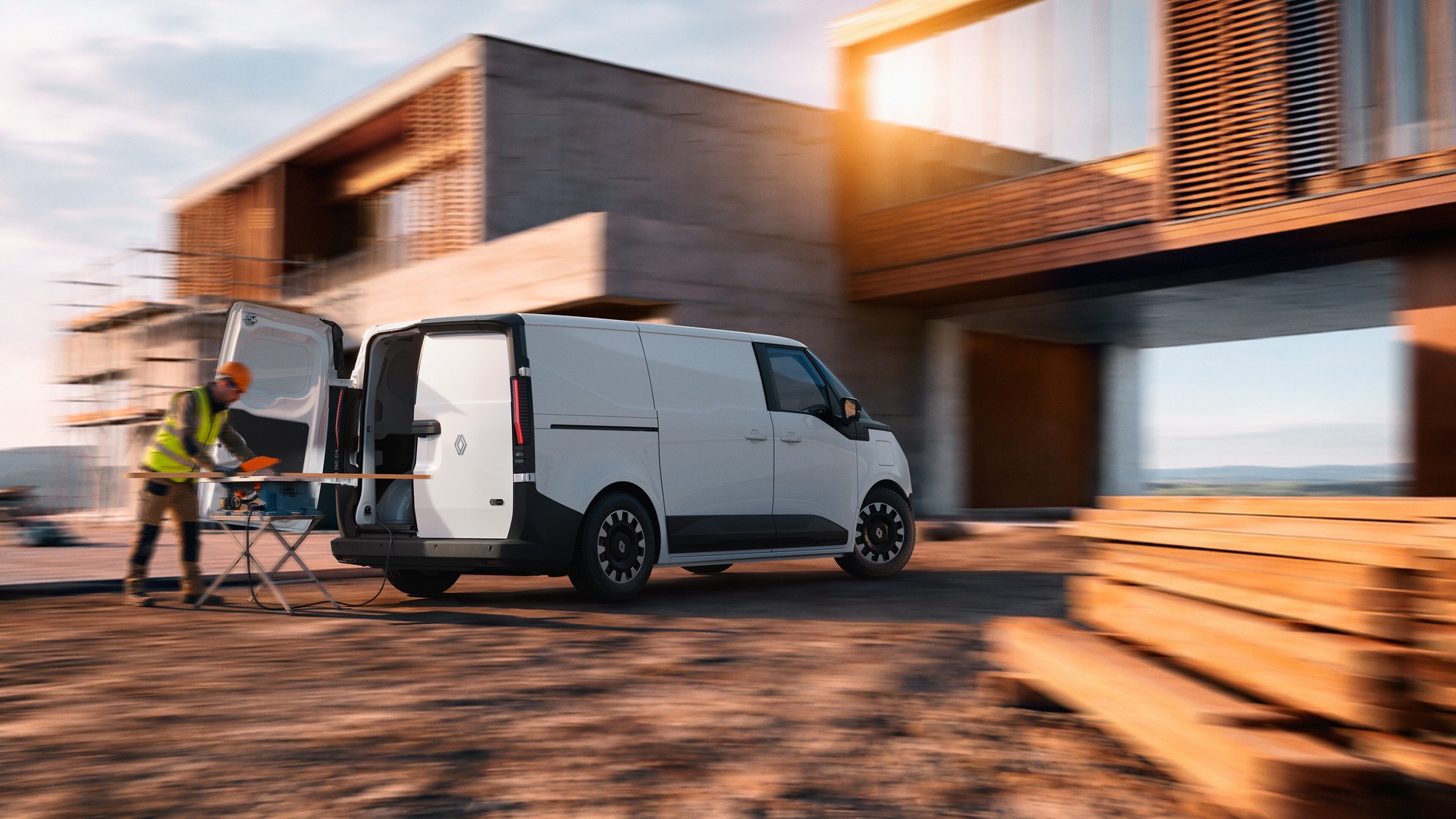
The new Trafic E-Tech electric van comes standard with Vehicle-to-Load functionality , allowing you to power or recharge electrical equipment from a socket located in the cargo compartment. This is a particularly useful solution for construction sites, technical assistance, or any activity that requires the use of power tools on the job site.
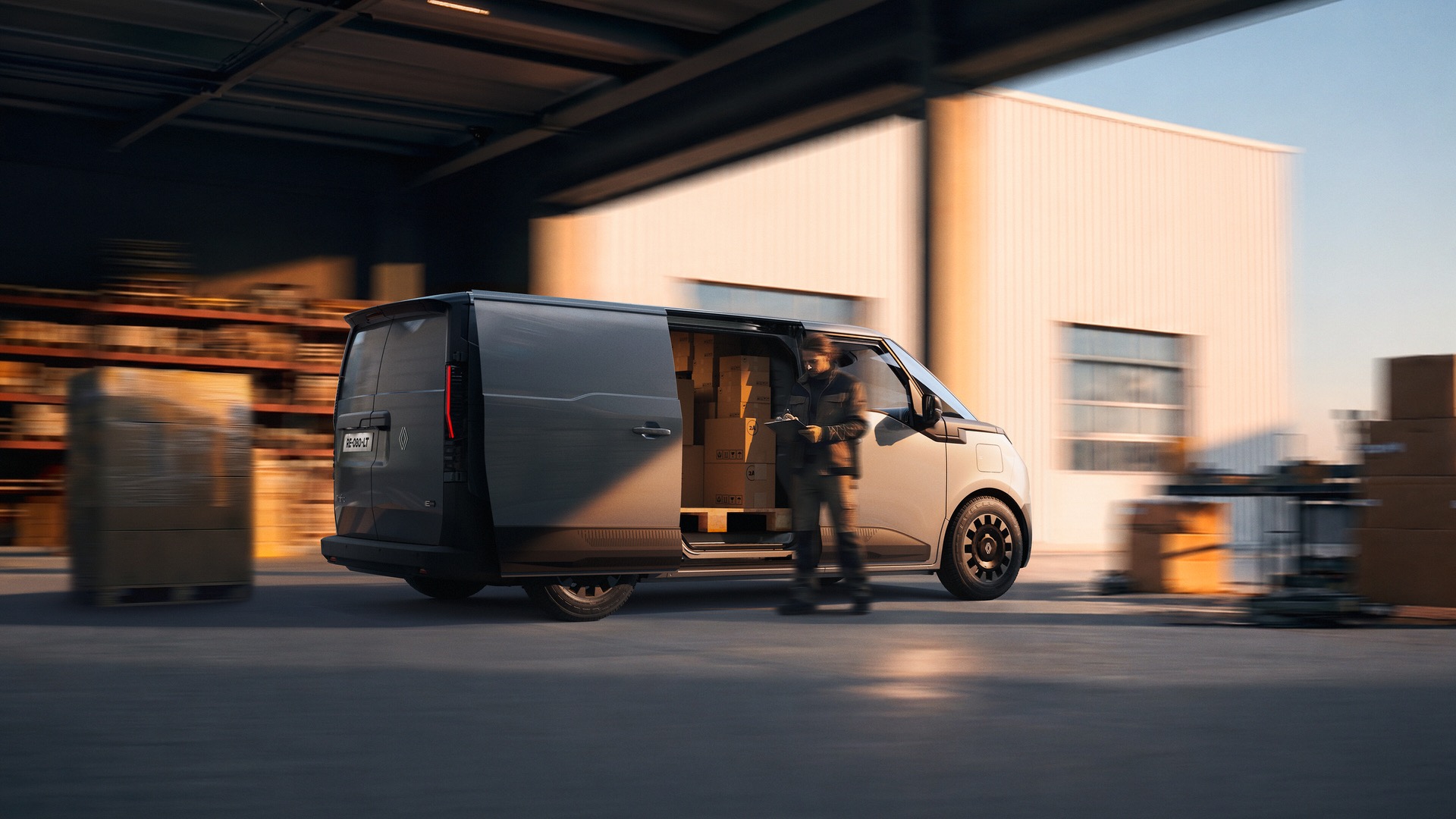
Renault also announced the upcoming arrival of an ePTO function , an electric power take-off designed for conversions with high energy demands, such as refrigerated units or ambulances. According to the brand, it will be able to power equipment with capacities of up to 3,6 kW and 10 kW , respectively. Another interesting innovation for bodybuilders is Converter Companion , which will allow conversion controls to be integrated directly into the openR link multimedia system , eliminating the need for additional screens and centralizing the operation of installed equipment.
MAIN FEATURES OF THE RENAULT TRAFIC VAN E-TECH
Range: over 470 km, WLTP homologation pending
Urban autonomy: almost 690 km
Electrical architecture: 800 V
Fast charge: Up to 280 km in 20 minutes
Cargo volume: up to 5,8 m³
Useful load: 1,3 tonnes
Trailer: 2 tonnes
Capacity three euro pallets
Level: 1,89 m
Turning radius: 10,3 m
Renault Uptimize: minimizing stops
Alongside its product offensive, Renault is reinforcing its conversion strategy with a three-tiered offering: Converted by Renault , Qstomize , and a network of 300 certified bodybuilders . The aim is to cover everything from Renault-certified and converted versions to custom solutions developed by specialists. This approach will be key for sectors such as refrigerated delivery, construction, roadside assistance, maintenance, emergency services, adapted transport, and last-mile delivery fleets. Renault wants to offer vehicles better suited to each activity while maintaining high standards of quality, reliability, and safety.
Another innovation announced in Hanover is Renault Uptimize , a program planned for 2027 that aims to maximize the availability of light commercial vehicles. Renault has set an ambitious goal: to reduce downtime in the event of an incident by up to 50% . The system will use real-time vehicle data and artificial intelligence to shift from reactive maintenance to a more proactive and predictive strategy. This will allow for anticipating certain issues, better planning of interventions, and a reduction in unplanned downtime. For fleet managers, Renault Uptimize will offer a centralized view of the connected fleet, with information on mileage, energy consumption, route planning, charging management, eco-driving, and safety ratings.
Furthermore, the program will be supported by a network of over 400 Renault Pro+ centers across Europe, specializing in serving professional customers. In the event of an incident, Renault promises personalized and priority assistance, combining remote diagnostics with after-sales teams dedicated to the B2B business.